About This Location
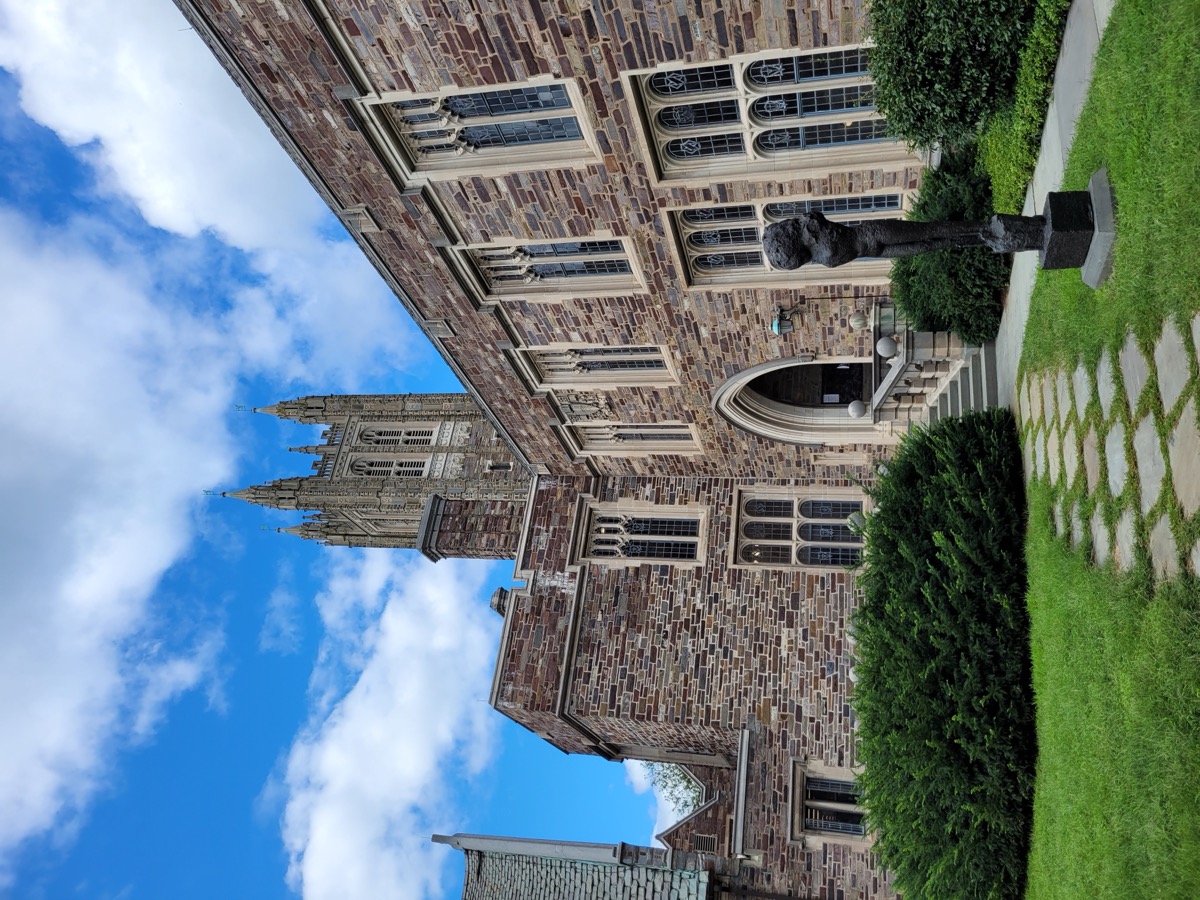
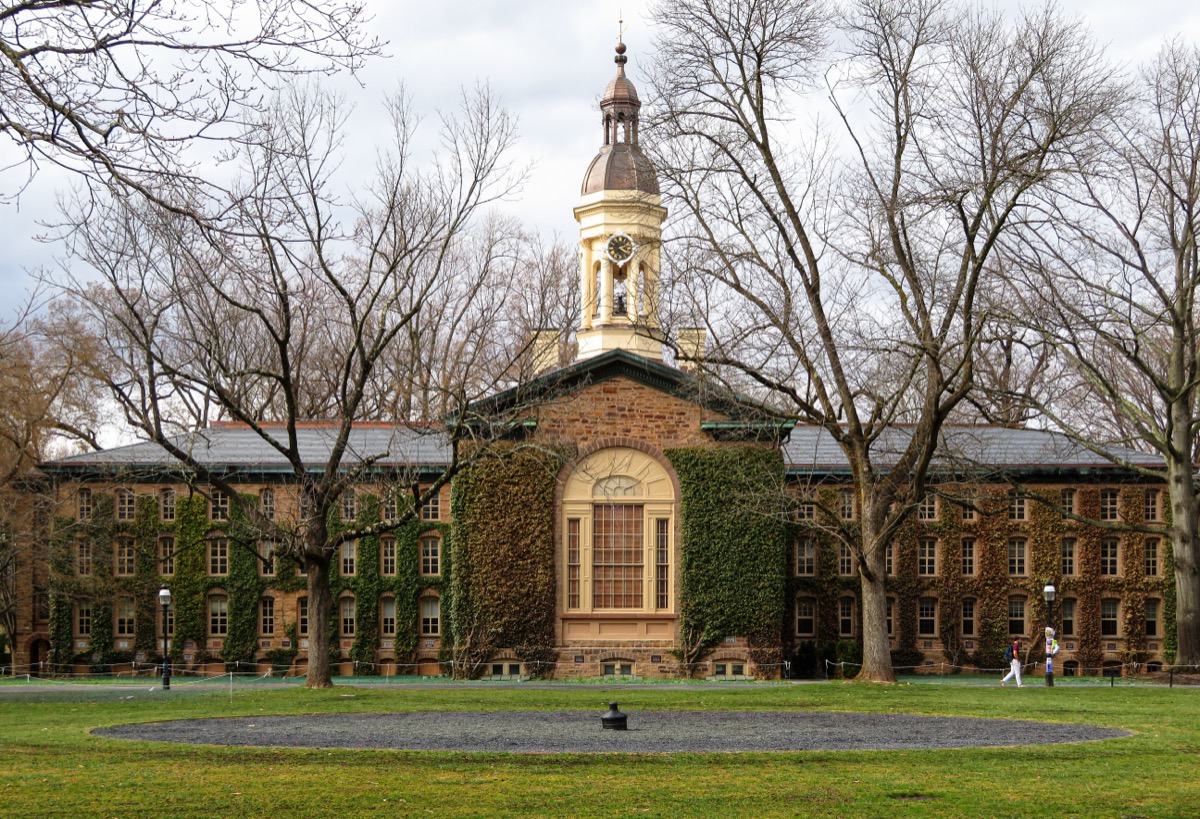
The oldest building on the Princeton University campus, Nassau Hall served as the temporary capital of the United States in 1783. The building has witnessed the Revolutionary War, the signing of the Treaty of Paris, and over 250 years of academic history.
The Ghost Story
Nassau Hall, completed in 1756, stands as the oldest building on Princeton's campus and was the largest stone structure in colonial America at the time of its construction. President Aaron Burr Sr. described its design as being built "in the plainest and cheapest manner, as far as is consistent with Decency & Convenience," using local fieldstone to maintain a modest academic appearance. The building's 270-year history has been marked by violence, fire, and death—conditions that paranormal researchers believe create ideal environments for hauntings.
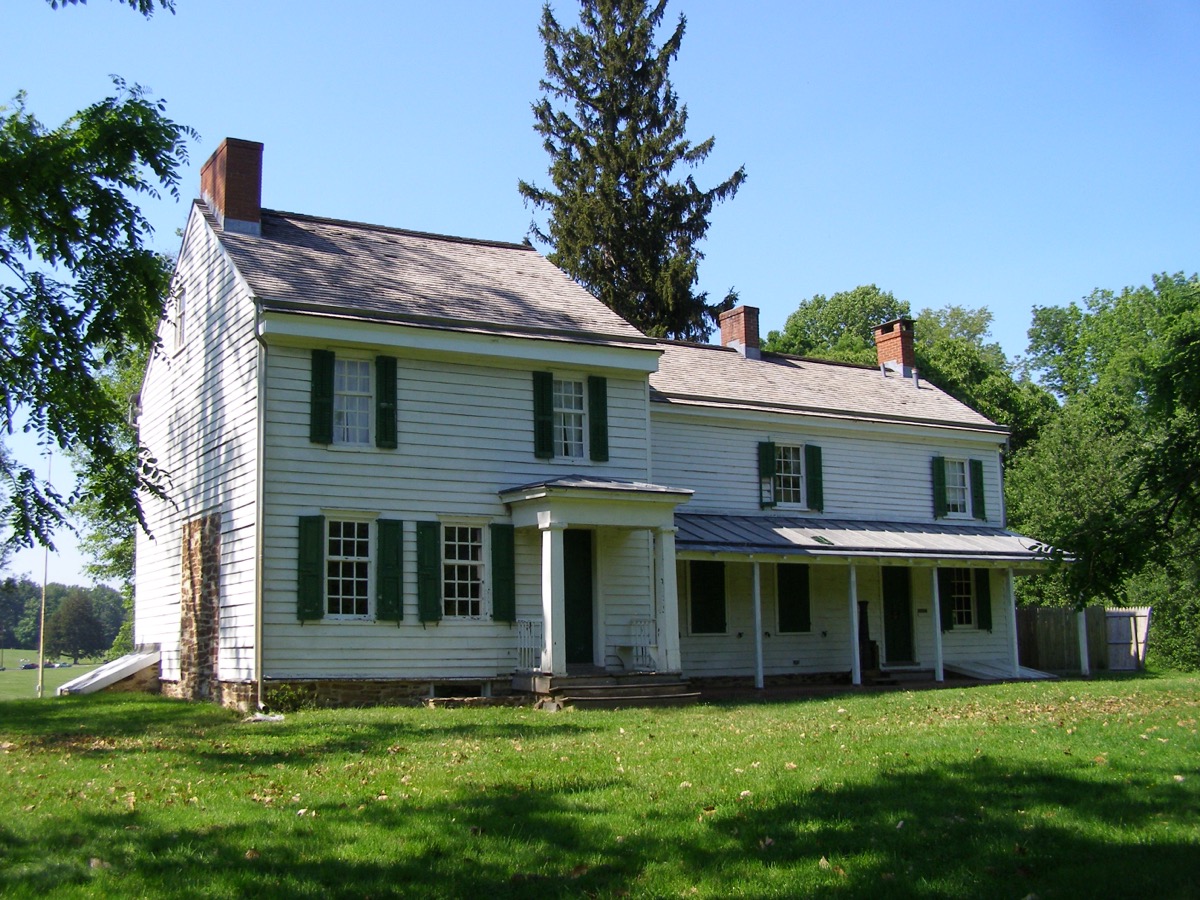
The Battle of Princeton on January 3, 1777, transformed Nassau Hall into a battlefield. British and Hessian soldiers had occupied the building as barracks when Washington's Continental Army attacked after the famous crossing of the Delaware. Captain Alexander Hamilton positioned his artillery where Blair Hall stands today and fired three cannonballs at Nassau Hall. One shot famously crashed through a window of the prayer hall and destroyed a portrait of King George II—a legendary moment, though historians note the earliest written account connecting Hamilton to this specific cannonball dates to 1905. A visible dent from another cannonball remains on the south wall to this day, where groundskeepers carefully trim a small circle in the ivy to preserve this Revolutionary War scar. When American soldiers stormed the front entrance, 194 British troops surrendered. Many soldiers on both sides died violently during the battle, and as one local historian noted, "the bodies had to be buried very, very quickly"—conditions believed to trap restless spirits.
From June 30 to November 4, 1783, Nassau Hall served as the temporary capitol of the United States when the Continental Congress fled Philadelphia after a mutiny. It was here that Congress received news of the peace treaty with Britain, officially thanked George Washington for his military service, and signed the nation's first treaty with a neutral foreign country. Two devastating fires—in 1802 and 1855—gutted the interior, with the first fire suspected to be arson by rebellious students. President Samuel Stanhope Smith blamed the 1802 fire on "vice and irreligion" among the student body.
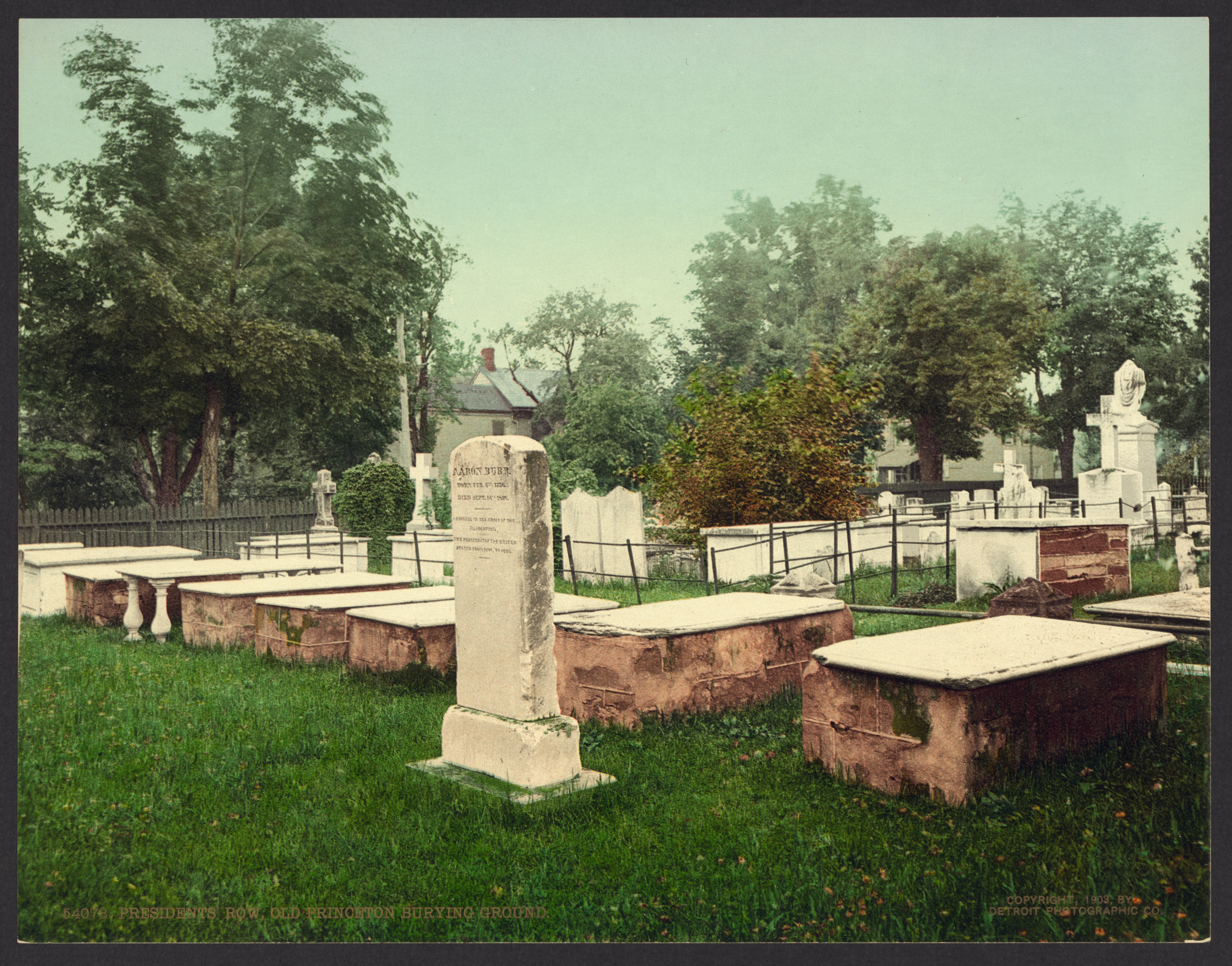
The most frequently reported spirit is Aaron Burr Sr., Princeton's second president, who reportedly haunts his former office in Nassau Hall, "checking up on the progress of his beloved college." His more infamous son, Aaron Burr Jr. (Class of 1772), the disgraced vice president who killed Alexander Hamilton in a duel, is also said to roam the campus. In 1892, a student wrote in the Nassau Literary Review that while walking McCosh Walk "during the moony time of evening," he encountered Burr's ghost, who explained: "I am always in Princeton for a while before examinations and during them." A late-1800s tradition involved sophomores leading freshmen down Witherspoon Street during the first autumn rainstorm to witness "Aaron Burr arise" from his grave in Princeton Cemetery.
James Madison, the fourth U.S. President and Class of 1771, is also said to haunt the campus, described by tour guides as one of the "sweet" ghost stories. Revolutionary War soldiers in tattered uniforms have been reported wandering the grounds, particularly behind Nassau Hall where the battle occurred. The sadness reported by empaths visiting the campus has been attributed to these soldiers' lingering spirits.
Modern paranormal investigators have conducted tours behind Nassau Hall using EMF meters, dowsing rods, and thermal equipment. The area has been authenticated as a "hot spot" by Weird NJ magazine investigators, who reported "unusual energetic activity." Tour participants are taught to communicate with spirits politely, "as if at a cocktail party," asking yes-or-no questions while monitoring equipment for responses. The Princeton Tour Company's ghost tours, which explore Nassau Hall and surrounding areas, "almost always sell out" during October.
Researched from 11 verified sources including historical records, local archives, and paranormal research organizations. Learn about our research process.