About This Location
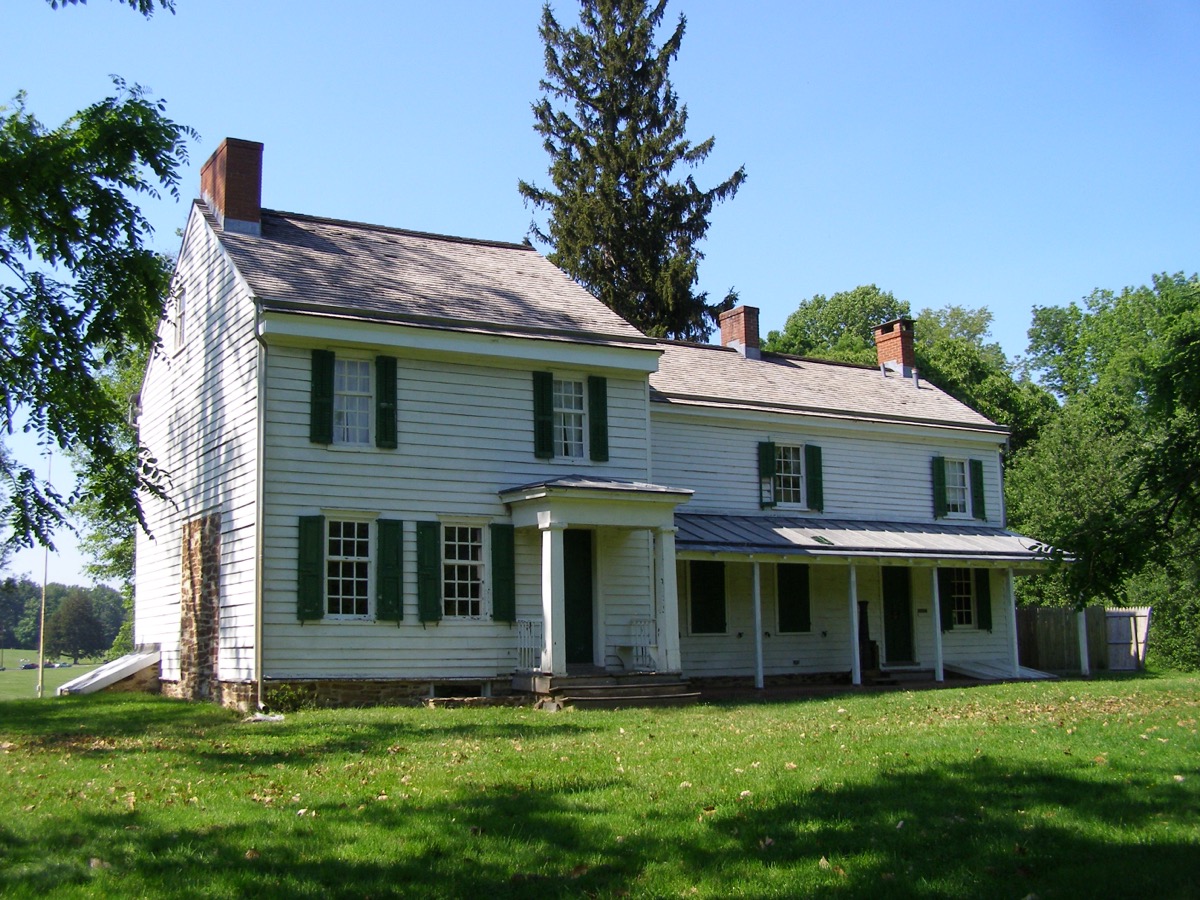
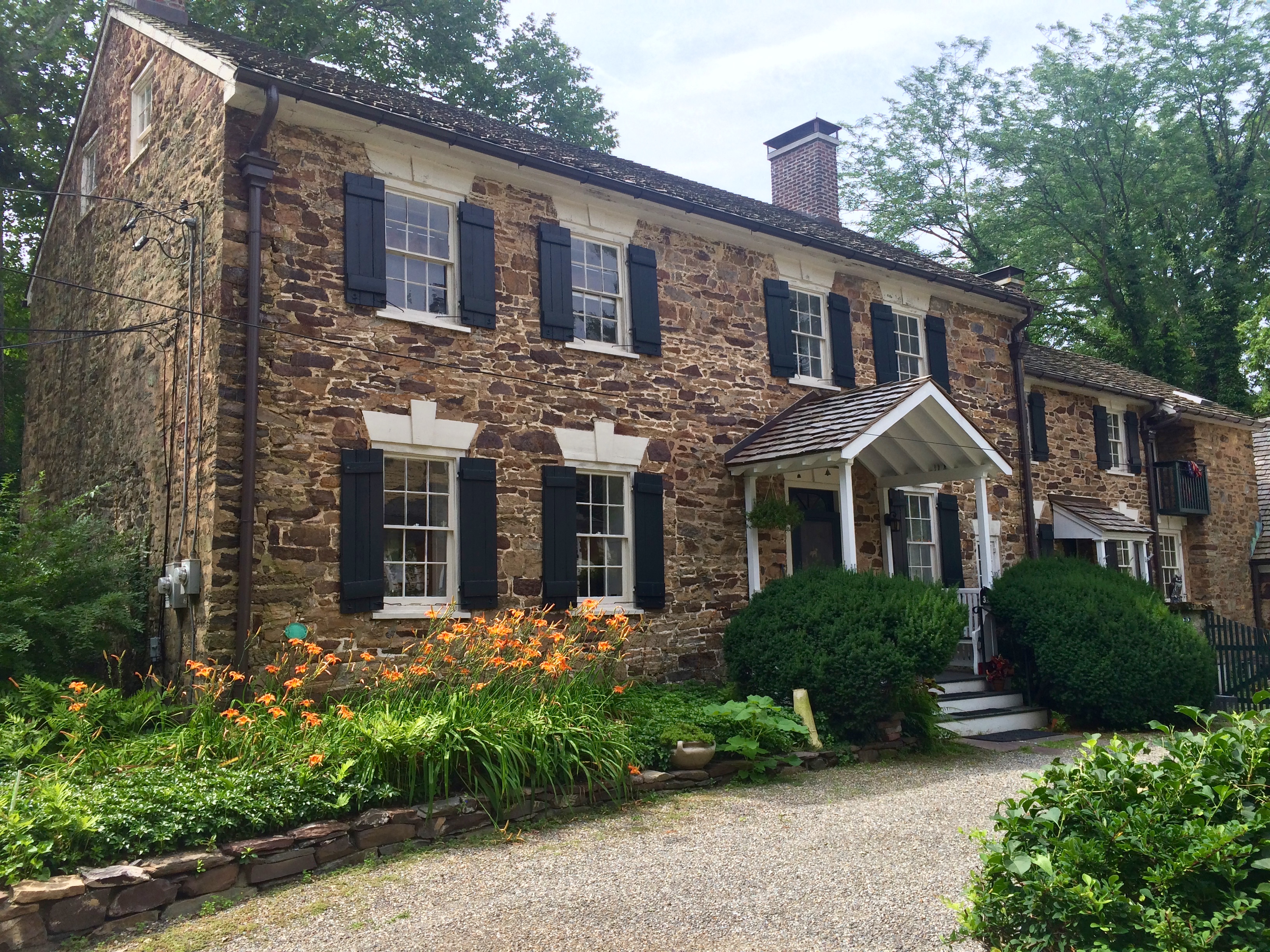
This stone house built by Declaration of Independence signer Richard Stockton is thought to be Princeton's oldest surviving structure. During the Revolution, it housed soldiers and witnessed the aftermath of Washington's surprise attack on Trenton.
The Ghost Story
The Barracks stands as Princeton's oldest surviving structure, with portions dating to around 1684 when Daniel Brinson built the original dwelling. The property passed to the Stockton family in 1696, eventually becoming part of the estate of Richard Stockton, a distinguished Signer of the Declaration of Independence. While Stockton built his grander home Morven nearby, this stone house earned its nickname when he quartered troops here during the French and Indian War. The building's military history continued during the Revolution, and in 1783 when the Continental Congress relocated to Princeton, both Alexander Hamilton and James Madison lodged within its modest walls.
The haunting stems from the desperate aftermath of Washington's famous Christmas Day crossing of the Delaware in 1776. Following the surprise attack on Trenton, Hessian soldiers—German mercenaries fighting for the British—scattered and fled toward Princeton. One young Hessian, described by witnesses as "a slight figure in a huge burlap coat" who looked more like a boy than a soldier, sought shelter in this stone house on Edgehill Street. Suffering from a chest wound sustained in the fighting, he collapsed before the fireplace and died trying to warm himself from the bitter winter cold.
According to local legend, the Hessian ghost appears at the fireplace every Christmas Eve at midnight, smiles at any witnesses present, and then quietly ascends up the chimney. Residents have described his peaceful demeanor—he seems to bear no malice, merely replaying his final moments of seeking warmth before death claimed him. Those who have encountered him note his antiquated military uniform and youthful appearance, frozen in the moment of his 1776 death.
In 1939, the Reverend Arthur Kinsolving attempted to exorcise the spirit using an old Church of England prayer book. The ritual proved ineffective—the ghost continued his annual appearances undeterred. The homeowners at the time, Princeton trustee Lewis B. Cuyler and his wife Margery, accepted the presence peacefully, calling him "an amiable ghost." The family's children grew up with stories of their spectral houseguest, and the legend became so embedded in family lore that Margery Cuyler later wrote a children's book, "The Battlefield Ghost," inspired by her experiences living in Princeton's oldest haunted house.
The Barracks remains a private residence today, though it features prominently on Princeton ghost tours. The building's extraordinary age, combined with its documented use as military quarters during two wars and the specific, repeating nature of the Christmas Eve apparition, has made it one of Central New Jersey's most enduring supernatural legends. Tour operators note that the ghost's presence seems to have grown stronger rather than fading over the centuries—this young soldier's spirit appears determined to remain at the place where he drew his final breaths, forever seeking the warmth that eluded him on that fateful winter night in 1776.
Researched from 8 verified sources including historical records, local archives, and paranormal research organizations. Learn about our research process.