About This Location
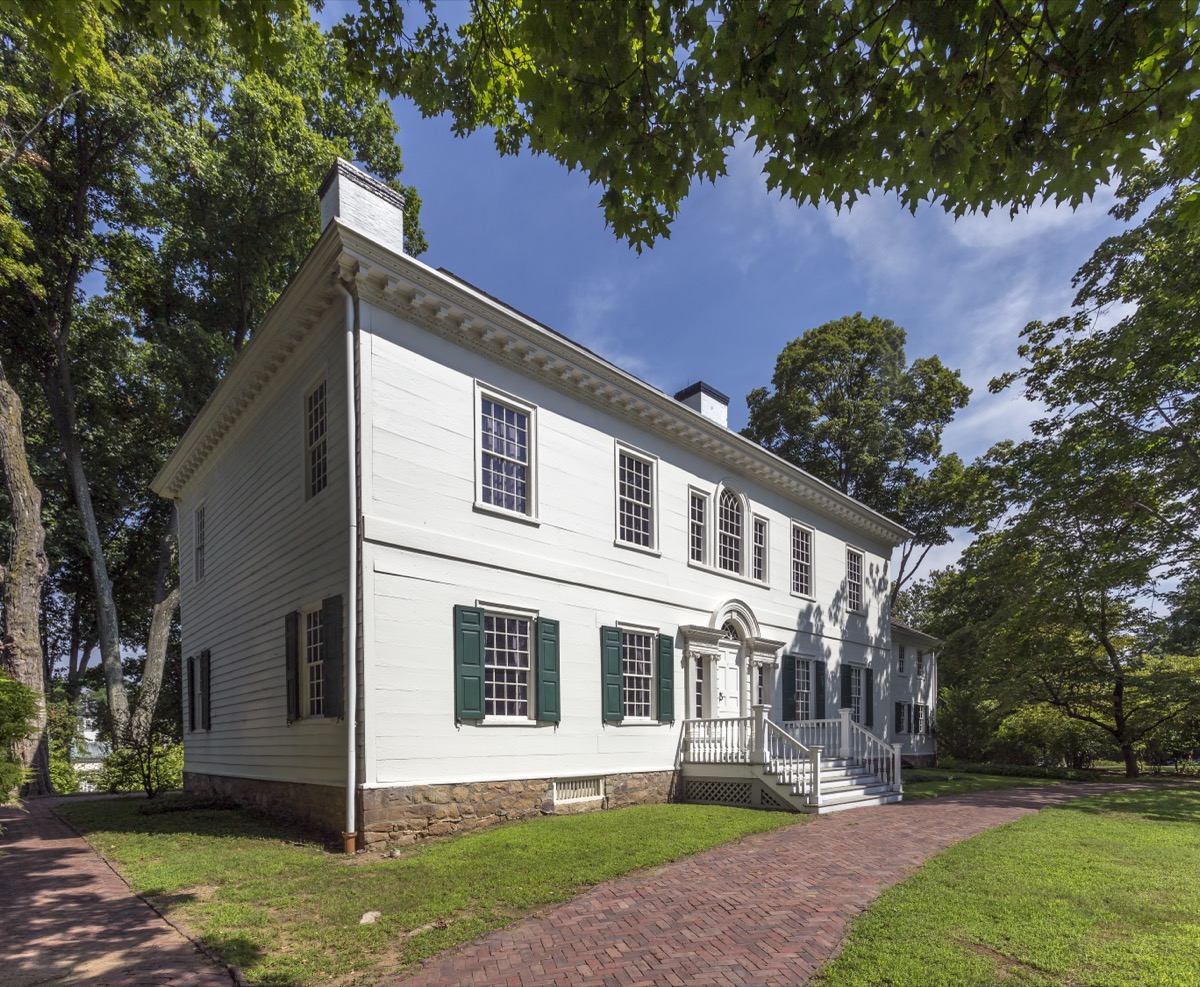
Part of Morristown National Historical Park, Jockey Hollow was the site of the Continental Army's winter encampment in 1779-1780 - a winter even more brutal than Valley Forge. A boulder marks the mass grave of roughly 100 soldiers who died of exposure and disease.
The Ghost Story
Jockey Hollow served as the winter encampment for over 10,000 Continental Army soldiers from December 1779 to June 1780, during what became known as 'the Hard Winter' — one of the coldest on record in American history. The encampment endured 28 separate snowstorms, with drifts piling as high as 15 feet. In January 1780, temperatures rose above freezing only once. The suffering exceeded even the infamous Valley Forge winter two years earlier.
With supply lines broken and the Continental Congress failing to provide provisions, soldiers faced starvation alongside the brutal cold. General Washington documented that his men sometimes went 'five or six days together without bread, at other times as many days without meat.' In desperation, soldiers resorted to eating tree bark, boiled leather from their worn shoes, and even their pet dogs. The death toll mounted steadily — roughly 100 soldiers died of exposure and disease, their bodies buried in a mass grave now marked by a boulder down the hill from the replica soldier huts. Another 1,062 men deserted, unable to endure the conditions.
The concentrated suffering of that terrible winter has left an indelible mark on this ground. Hikers, visitors, and historical reenactors have reported a wide range of paranormal phenomena over the decades. The most common sighting is colonial soldiers marching in lockstep through the dense trees, their translucent forms moving silently along the trails before fading into the forest. Unexplainable fife and drum music has been heard on clear, cold nights — one reenactor reported hearing the distinct sound of fife and drums emanating from directly beside her while walking back to her hut late at night. When she told fellow reenactors, they replied, 'Welcome to Jockey Hollow, you've just experienced your first haunting here.'
Shadowy figures are frequently seen darting among the replica soldier huts that now stand on Sugar Loaf Hill, built in the 1960s on the original Pennsylvania Line foundations. Perhaps the most famous apparition is a translucent woman in a long, white colonial-style dress carrying a lantern. She appears most often on foggy nights, walking the labyrinthine trails as if searching for someone among the frozen dead — perhaps a wife, mother, or sweetheart looking for a loved one who never returned from the encampment.
A homeowner on the park's fringe has reported an even stranger phenomenon: a brown dog that periodically chases cats around his property before vanishing into thin air. He owns no dog. Some speculate this spectral canine may be connected to accounts that desperate officers killed and ate their pet dogs during the worst of the winter.
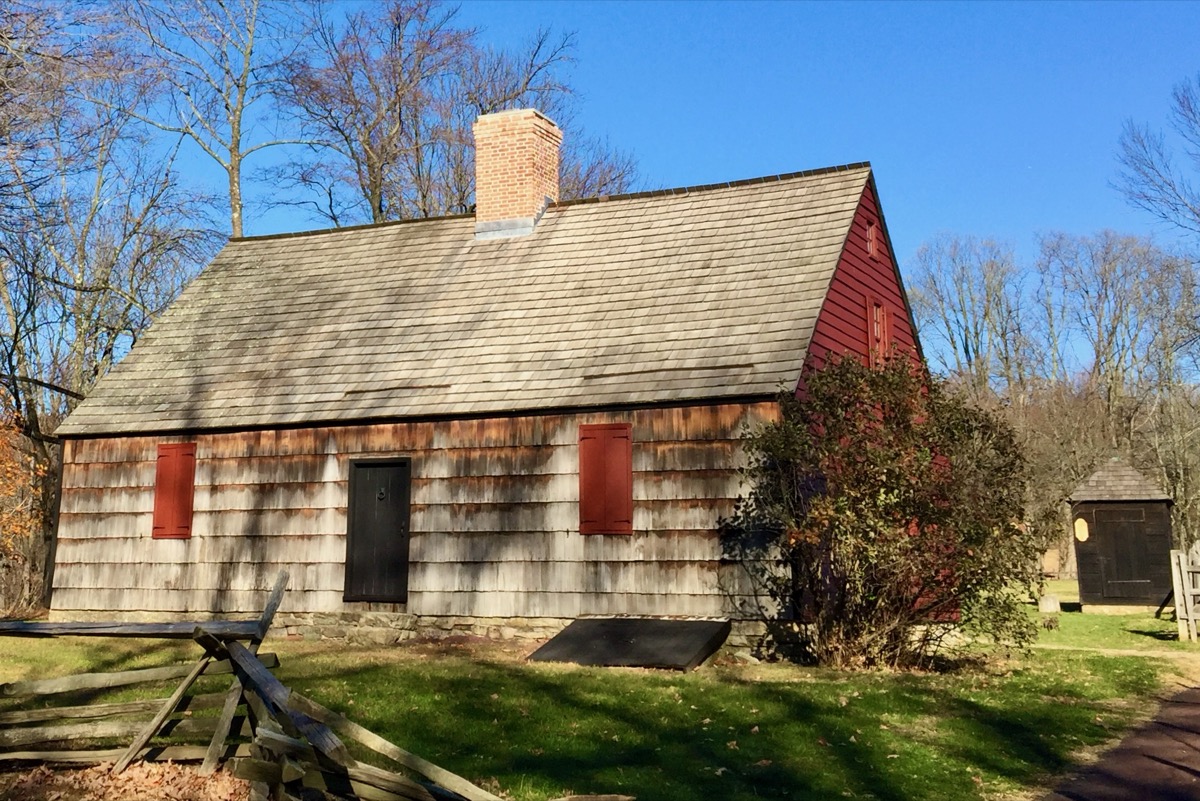
Visitors to the Wick House, where Major General Arthur St. Clair made his headquarters, have reported their own encounters. This is also the home of Temperance 'Tempe' Wick, whose famous legend adds another layer to Jockey Hollow's ghostly reputation. During the Pennsylvania Line Mutiny of January 1781, when starving soldiers organized an uprising to demand their unpaid wages, Tempe allegedly hid her horse in her bedroom for weeks to prevent mutineers from stealing it. Visitors today sometimes report seeing shadow figures in the house's doorways and hearing unexplained footsteps on the wooden floors.
Today, Jockey Hollow is part of Morristown National Historical Park — America's first national historical park, established in 1933. The park maintains four replica soldier huts on Sugar Loaf Hill, a visitor center with a full-scale furnished hut display, and the Wick House where visitors can see the bedroom where Tempe allegedly hid her horse. Rangers and visitors alike continue to report unexplained experiences, particularly during the winter months when the veil between past and present seems thinnest on this hallowed ground.
Researched from 8 verified sources including historical records, local archives, and paranormal research organizations. Learn about our research process.