About This Location
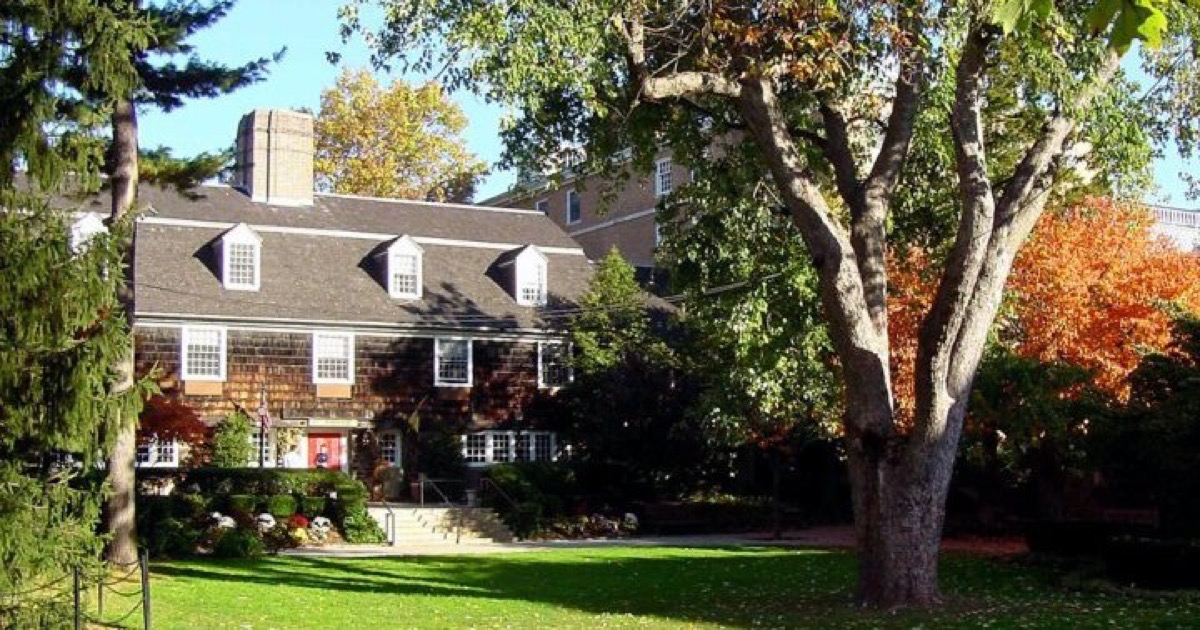
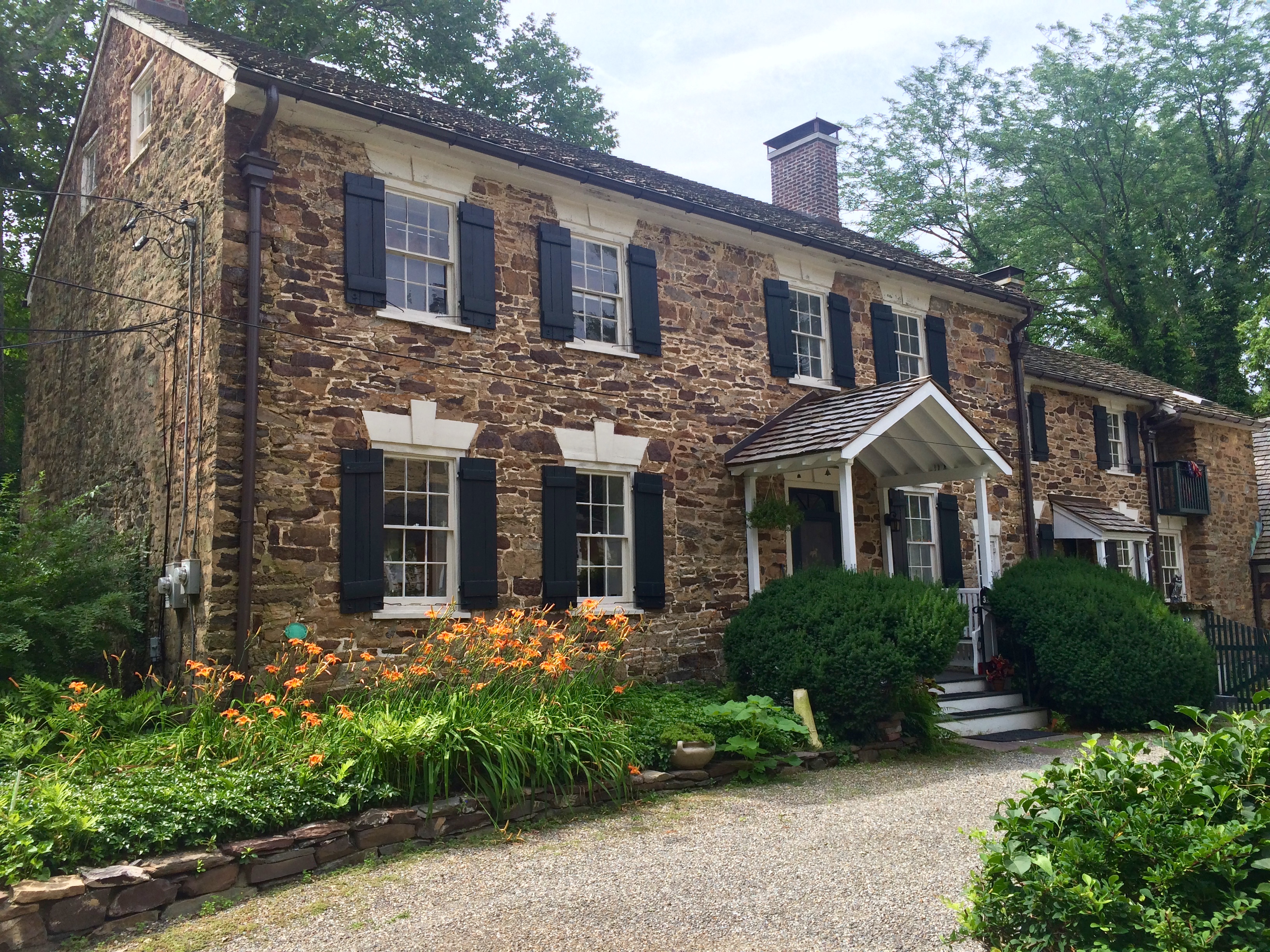
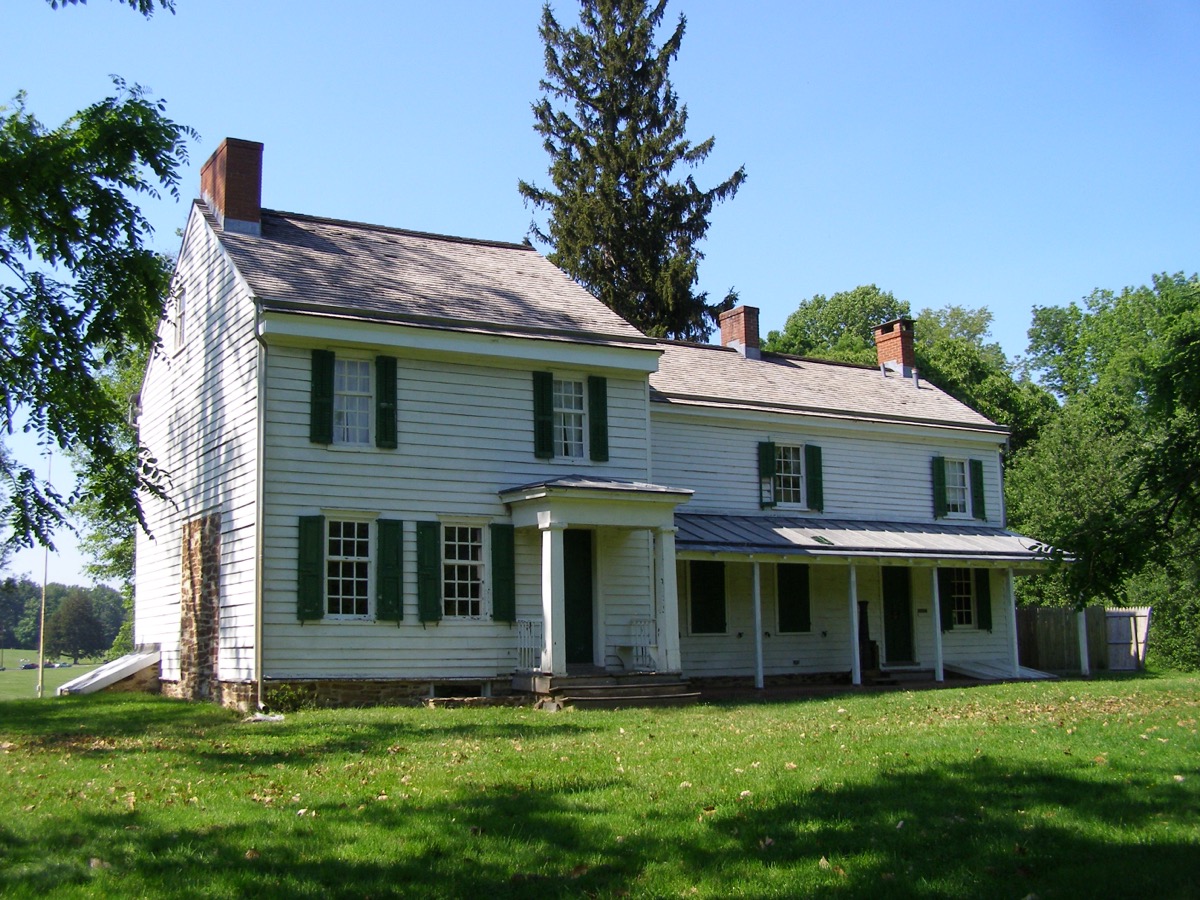
This historic house at the Princeton Battlefield served as a hospital during the American Revolution. Brigadier General Hugh Mercer was brought here after being bayoneted seven times during the Battle of Princeton on January 3, 1777, and died nine days later.
The Ghost Story
The Thomas Clarke House was built in 1772 as the center of a 200-acre Quaker farm belonging to the Stony Brook Quaker Settlement. On the morning of January 3, 1777, this modest white clapboard farmhouse found itself in the thick of one of the Revolutionary War's most pivotal battles. General George Washington's Continental Army clashed with British Crown forces across the Clarke family's fields in what would become the Battle of Princeton—a victory that reinvigorated the Colonial cause after the famous Christmas crossing of the Delaware.
The house's darkest chapter began during that battle when Brigadier General Hugh Mercer, George Washington's closest military ally and friend, led his men into an orchard and encountered a larger British force. His horse was shot from under him, and the British—mistaking the 50-year-old Scottish physician for Washington himself—demanded his surrender. Mercer refused, drew his saber, and charged. He was beaten to the ground with musket butts and stabbed seven times with bayonets before being left for dead. Continental soldiers found him still breathing and carried him first to a nearby oak tree (later known as the Mercer Oak) before bringing him to the Clarke House, which had been transformed into a field hospital.
For nine agonizing days, the legendary Dr. Benjamin Rush—a signer of the Declaration of Independence—and Major George Lewis, Washington's own nephew, tended to Mercer in an upstairs bedroom. Despite Rush's optimism, Mercer himself knew his fate. He pointed to a bayonet wound beneath his arm and told Lewis it would prove fatal. Curiously, Rush's correspondence reveals a puzzling discrepancy: in one letter dated January 6th, he mourned Mercer as already dead, only to write the very next day that the general was recovering. Whether this reflects the chaos of wartime communication or something stranger remains debated by historians. On January 12, 1777, Hugh Mercer died in the arms of George Lewis, his cravat removed as he lay suffering. His body was transported to Philadelphia's City Tavern, where he was displayed as a martyr for American independence.
The paranormal activity at the Thomas Clarke House centers on one of the upstairs bedrooms—believed to be where Mercer spent his final days. Multiple custodians and at least one visitor have reported an unusual sensation around their necks while in this room, as if something unseen were touching or tightening there. Some researchers have connected this phenomenon to the removal of Mercer's cravat (a neck cloth) during his medical treatment, though the connection remains open to debate.
Visitors who enter the house describe being confronted with peculiar sensations and an overwhelming sense of melancholy, as if they've stepped into a space where intense suffering has left an imprint. The general's spirit is characterized as solemn rather than menacing—a restless presence seemingly reluctant to leave the place where he endured such prolonged agony. Ghost tours of Princeton frequently describe Mercer as "a solemn General who died within its walls," and the Thomas Clarke House has earned a reputation as one of New Jersey's most authenticated Revolutionary War hauntings.
The battlefield surrounding the house adds to its eerie atmosphere. Approximately 50 soldiers from both armies lie buried beneath the grounds, their graves unmarked. Paranormal investigators using EMF meters, thermometers, and dowsing rods have conducted ghost hunts on the property. During one documented investigation in 2023, participants reported communication with what appeared to be a British soldier's spirit—one who indicated he was at peace with his family but "was not" a fan of his king. Temperature readings near the burial site pillars dropped on command when investigators requested the spirits respond.
The Thomas Clarke House is now part of Princeton Battlefield State Park and is furnished in Revolutionary War period style, retaining much of its original flooring, moldings, and windows from the era when General Mercer lay dying upstairs. Tours are available Wednesday through Sunday. The property continues to honor Mercer's memory—proceeds from some ghost hunting events go directly toward restoring this historic building where one of America's bravest generals met his end.
Researched from 12 verified sources including historical records, local archives, and paranormal research organizations. Learn about our research process.