About This Location
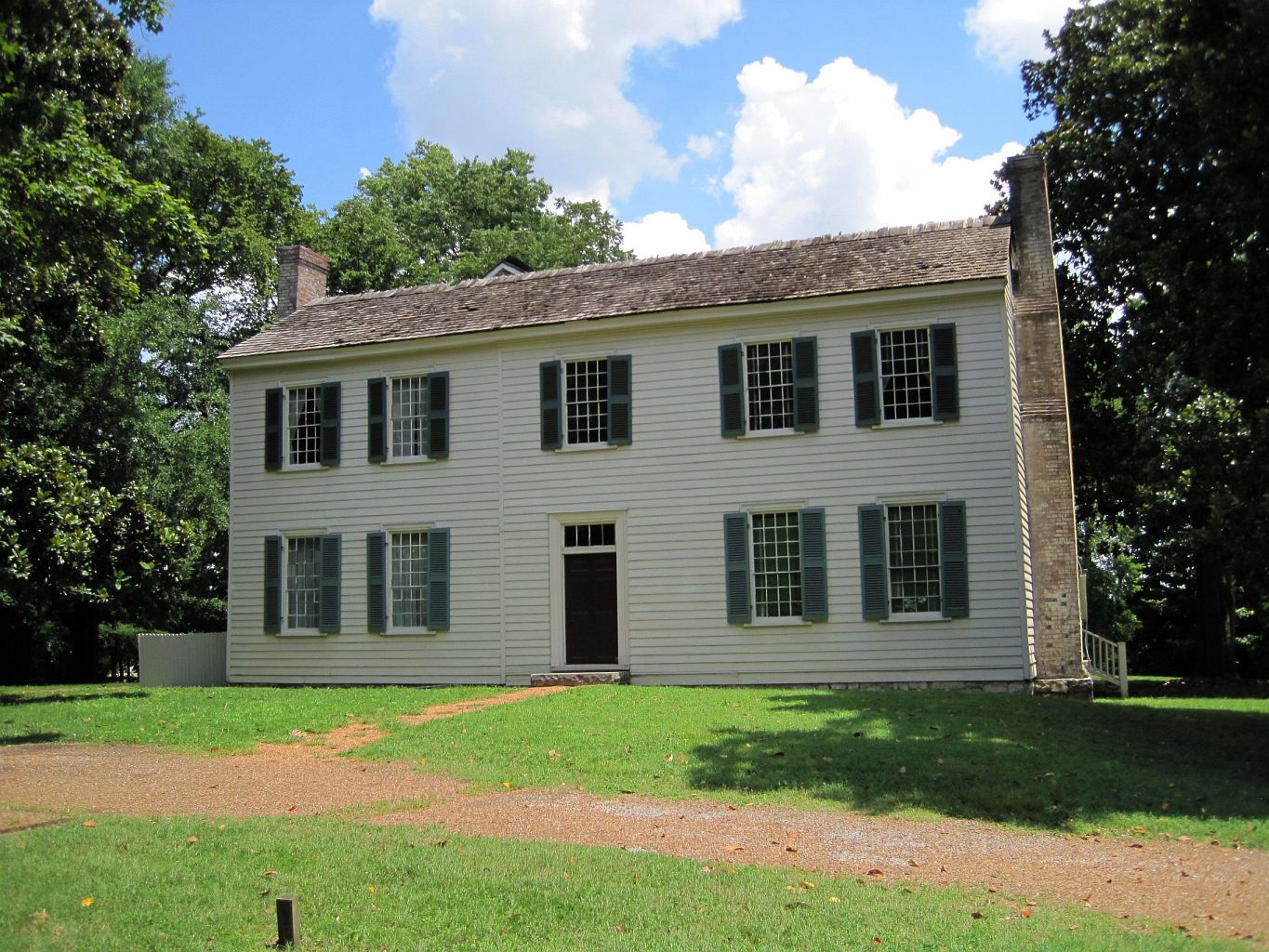
One of Nashville's oldest historic homes, built in 1799 by Judge John Overton, a close friend of Andrew Jackson. The house served as Confederate headquarters during the Civil War and witnessed the bloodiest day of the Battle of Nashville.
The Ghost Story
Travellers Rest stands on ground that has witnessed human tragedy across centuries. When Judge John Overton began digging the cellar in 1798, workers unearthed dozens of prehistoric skulls, arrowheads, pottery, and human remains from a Mississippian village dating to approximately 1270-1316 A.D. The discovery was so striking that Overton originally named the property Golgotha -- the biblical 'hill of skulls' -- before later changing it to Travellers Rest. Approximately 35 Native American burials were uncovered during that initial excavation, and additional human remains were disturbed as recently as 1995 during construction of the visitors center.
Built in 1799 on a Revolutionary War land grant, the plantation grew to encompass 2,300 acres worked by roughly 80 enslaved people who cultivated tobacco and cotton alongside subsistence crops. Upon Overton's death in 1833, his wife Mary inherited over fifty enslaved persons, their names and ages recorded in cold inventory lists that survive today. The weight of this history -- a Native American burial ground overlaid by generations of forced labor -- forms the foundation of the property's unsettling reputation.
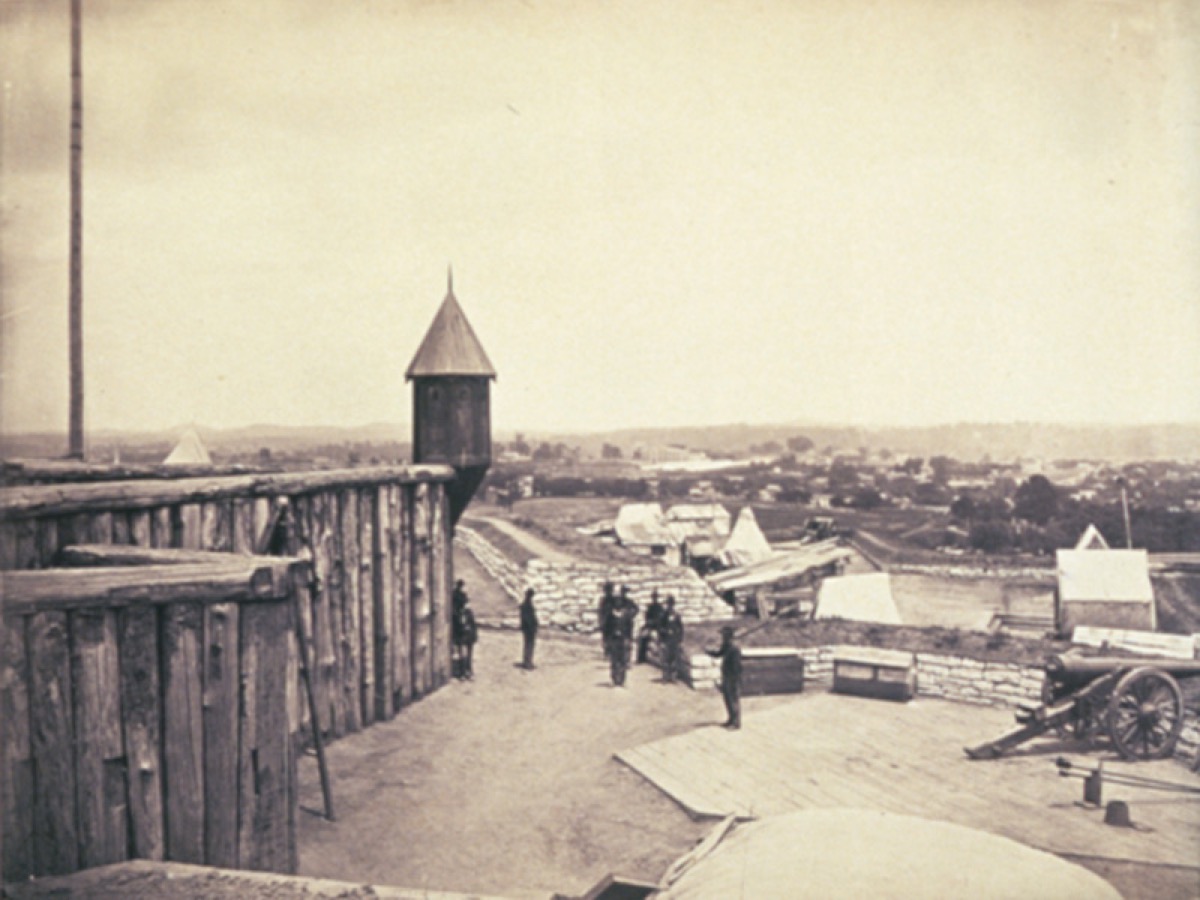
The plantation's darkest chapter came during the Civil War. On December 2, 1864, Confederate General John Bell Hood arrived and established Travellers Rest as his headquarters, directing the construction of a five-mile defensive line south of Union-occupied Nashville. Mrs. John Overton hosted a dinner attended by Hood and five other Confederate generals. When the Battle of Nashville erupted on December 15-16, the women and children of the household huddled in the cellar -- the same cellar where those ancient skulls had been found -- while the battle raged around them. The Confederate lines collapsed, and retreating soldiers streamed past the house, followed closely by Union troops. Union General W.L. Elliott occupied Hood's former bedroom on December 16.
Visitors and staff have long reported unsettling phenomena throughout the property. Confederate soldiers in gray uniforms have been seen walking the grounds where Hood's defensive lines once stood and where the retreating army passed in defeat. The ghost of a woman in period dress has been observed on the upstairs porch, gazing out over the property as if watching for someone who will never return. Cold spots move through rooms without explanation, and unexplained noises -- footsteps, whispered voices, and what some describe as distant sounds of battle -- echo through the house. According to local accounts, strange activity occurs not just within the plantation house itself but throughout the surrounding neighborhood that was built on the old Overton estate, as if the disturbance of so many ancient burial grounds left a permanent mark on the land.
The plantation was saved from demolition in 1954 by the National Society of the Colonial Dames of America in Tennessee, after the Louisville and Nashville Railroad's Radnor Yards began encroaching on the property. Listed on the National Register of Historic Places since 1969, the nine-acre site now operates as Nashville's oldest historic home museum, welcoming over 12,000 visitors annually. The museum offers guided tours of the house and grounds, and its 'Twisted Tennessee' events explore the dark chapters of the estate's history.
Researched from 8 verified sources including historical records, local archives, and paranormal research organizations. Learn about our research process.