About This Location
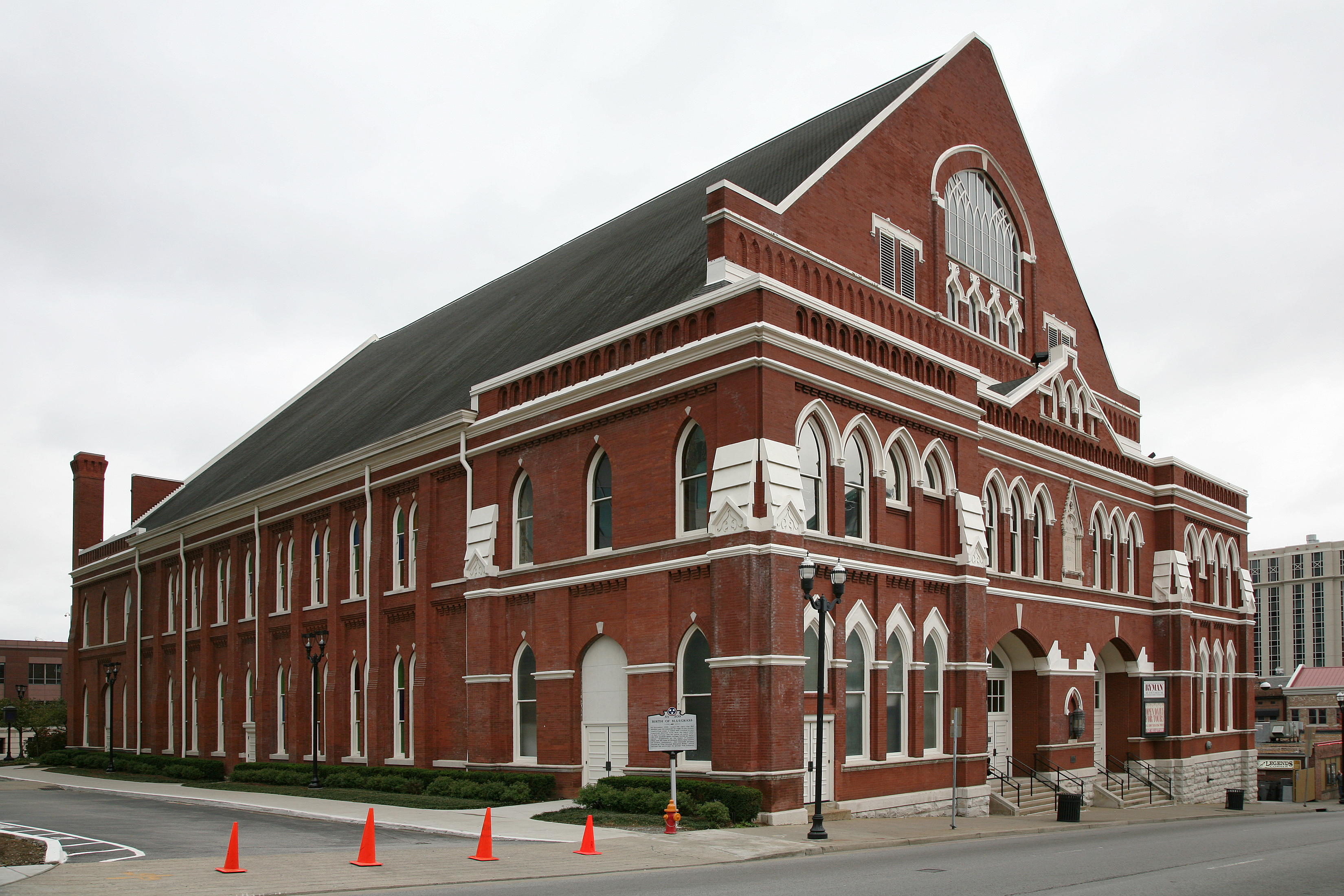
Built in 1892 as the Union Gospel Tabernacle, the Ryman became home to the Grand Ole Opry in 1943. The "Mother Church of Country Music" has hosted legendary performers and harbors the spirits of many who never left.
The Ghost Story
The Ryman Auditorium on Fifth Avenue in Nashville is the Mother Church of Country Music, the original home of the Grand Ole Opry, and by most accounts, one of the most haunted performance venues in America. The building exists because of a single man's spiritual conversion -- and his ghost is the reason many believe it remains haunted to this day.
Captain Thomas Green Ryman was a successful riverboat operator and Tennessee businessman who made his fortune running steamboats on the Cumberland River, including some that served as floating saloons. In 1885, Ryman attended a tent revival led by the evangelist Samuel Porter Jones, intending to heckle the preacher. Instead, he experienced a profound religious conversion that changed the course of his life. Ryman financed the construction of the Union Gospel Tabernacle, which opened in 1892 as a venue for religious revivals and community gatherings. When Ryman died in 1904, the building was renamed the Ryman Auditorium in his honor.
The trouble began when the building's purpose shifted. In 1943, the Grand Ole Opry began broadcasting from the Ryman stage, transforming Ryman's house of worship into a temple of honky-tonk, country music, and secular entertainment. Thomas Ryman's spirit, according to decades of reports, has never accepted this change. His ghost is said to voice his displeasure whenever performers cross the line into material he deems indecent. If a singer's lyrics are too racy or a dancer's movements too suggestive, loud stomping noises erupt from empty sections of the auditorium. During a production of the opera Carmen, Ryman's ghost reportedly interrupted the performance with such forceful stomping that some audience members believed someone was pounding on the floor above them. Staff and performers who have worked late in the building report seeing a stern, Victorian-era figure watching from the balcony -- Captain Ryman himself, still keeping watch over his tabernacle.
The second most reported spirit is Hank Williams Sr., who died on January 1, 1953, at the age of twenty-nine from heart failure related to a combination of prescription drugs and alcohol. Williams had been fired from the Grand Ole Opry in 1952 for chronic drunkenness and unreliability. His ghost has been seen backstage, on the empty stage, and in the alley behind the auditorium -- a thin figure in a white suit and cowboy hat. During the Ryman's major renovation in the early 1990s, when Gaylord Entertainment invested fourteen million dollars to restore the building, a construction worker was reportedly locked inside overnight. According to the legend, the worker came face to face with the ghost of Hank Williams. Songwriter Gary Gentry Jr. has claimed that Williams's spirit appeared to him during a 1982 session at the Ryman while he was composing a tribute song, an encounter that inspired the composition later recorded as 'The Ride.'
The ghost known as the Grey Man is believed to be a Confederate soldier from the Civil War era who attended post-war gatherings at the auditorium. He appears in period military uniform, sitting silently in the balcony during rehearsals, watching without interaction before vanishing.
Patsy Cline, who died in a plane crash on March 5, 1963, has been heard singing 'I Fall to Pieces' on the empty stage after hours by staff members who were alone in the building. Her voice, unmistakable and clear, drifts through the auditorium and then stops abruptly.
The Ryman is also associated with the so-called Opry Curse, a pattern of untimely deaths among performers connected to the venue. Reports suggest that thirty-seven people who appeared on the Grand Ole Opry show died under unusual or tragic circumstances, including Patsy Cline's plane crash in 1963, Jim Reeves's plane crash in 1964, Ira Louvin's car crash in 1965, and the murder of Stringbean Akeman in 1973. When the Grand Ole Opry relocated to Opryland in 1974 and took sections of the original Ryman stage with it, approximately fourteen additional deaths occurred at the new location, leading some to suggest the curse traveled with the wood.
The Ryman Auditorium reopened in 1994 after its renovation and continues to host concerts and events. The pew-backed seats, the stained glass, and the church-like atmosphere remain -- as do, according to those who work there after the audiences go home, the spirits who never left.
Researched from 8 verified sources including historical records, local archives, and paranormal research organizations. Learn about our research process.