About This Location
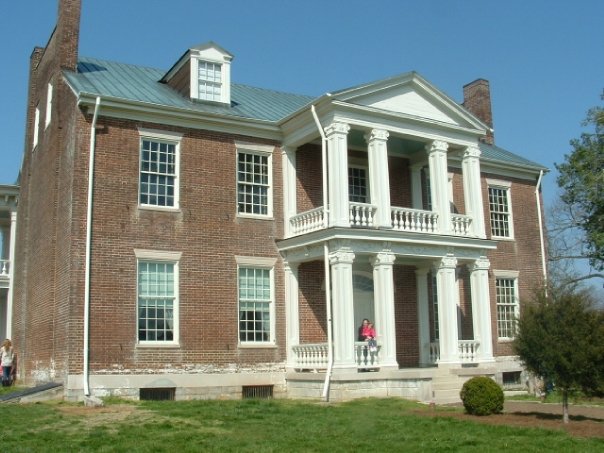
Built in 1826, Carnton became the principal field hospital during the Battle of Franklin on November 30, 1864. More than 1,750 Confederate soldiers died that night, and four dead generals were laid on the back porch. The McGavock Confederate Cemetery is the largest privately owned military cemetery in the U.S.
The Ghost Story
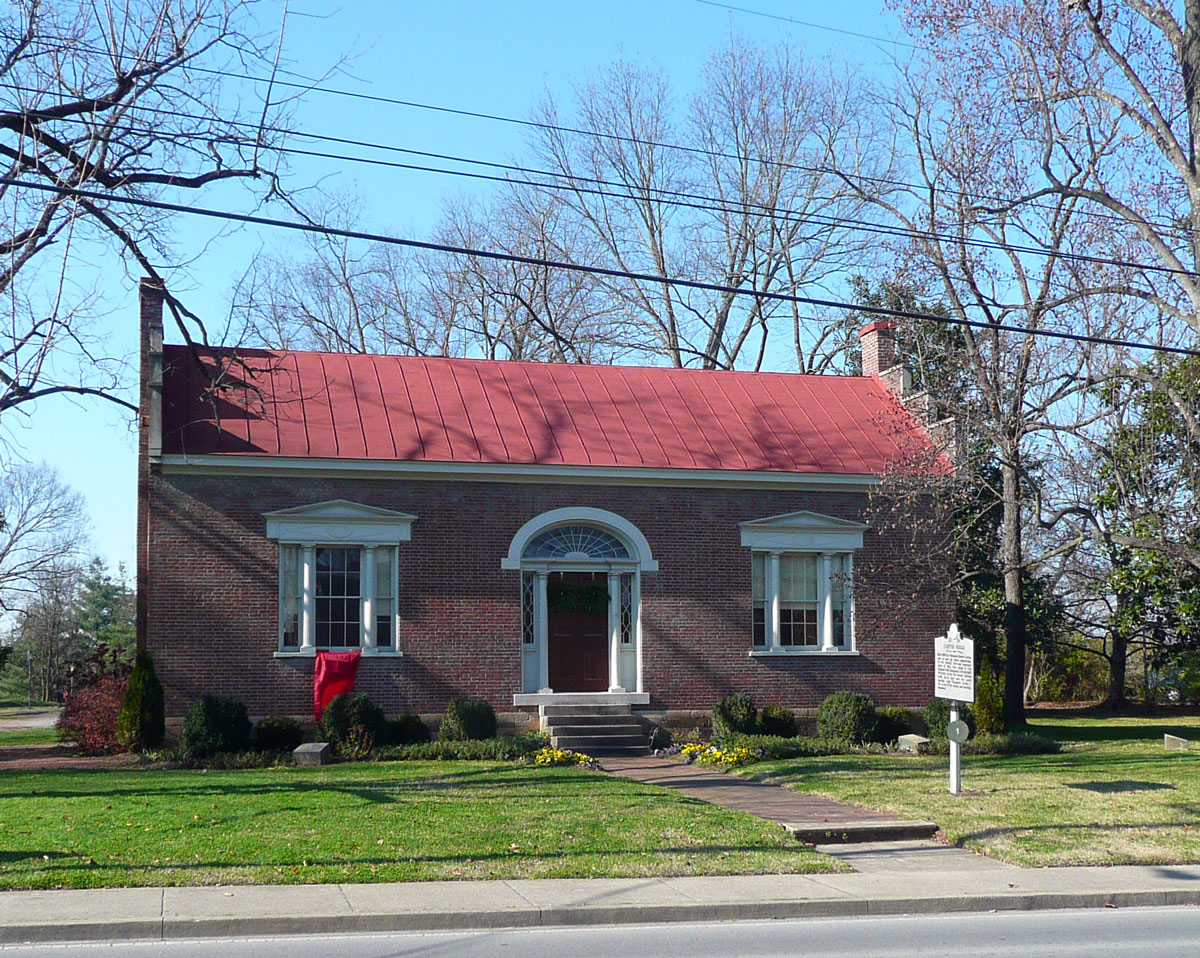
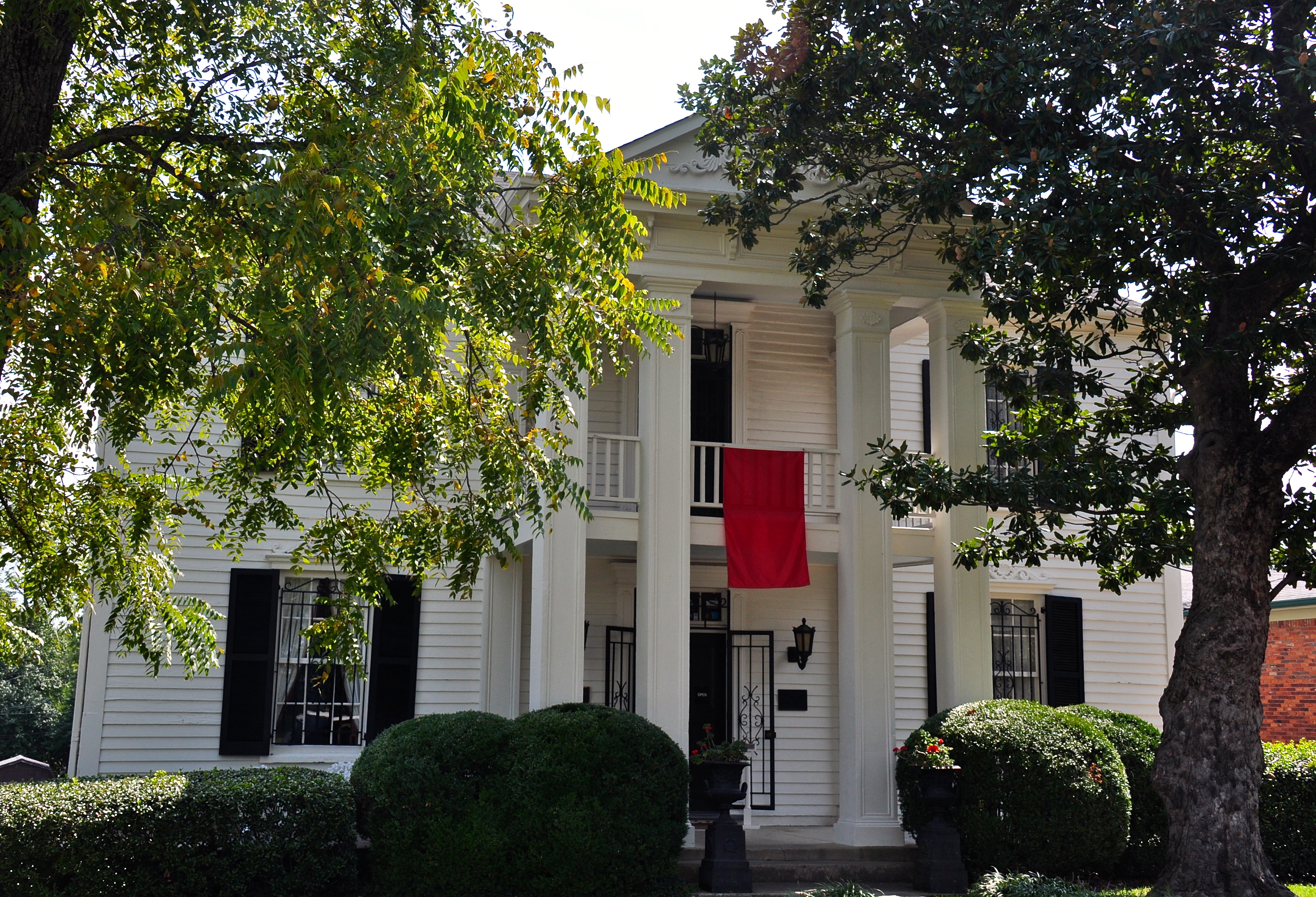
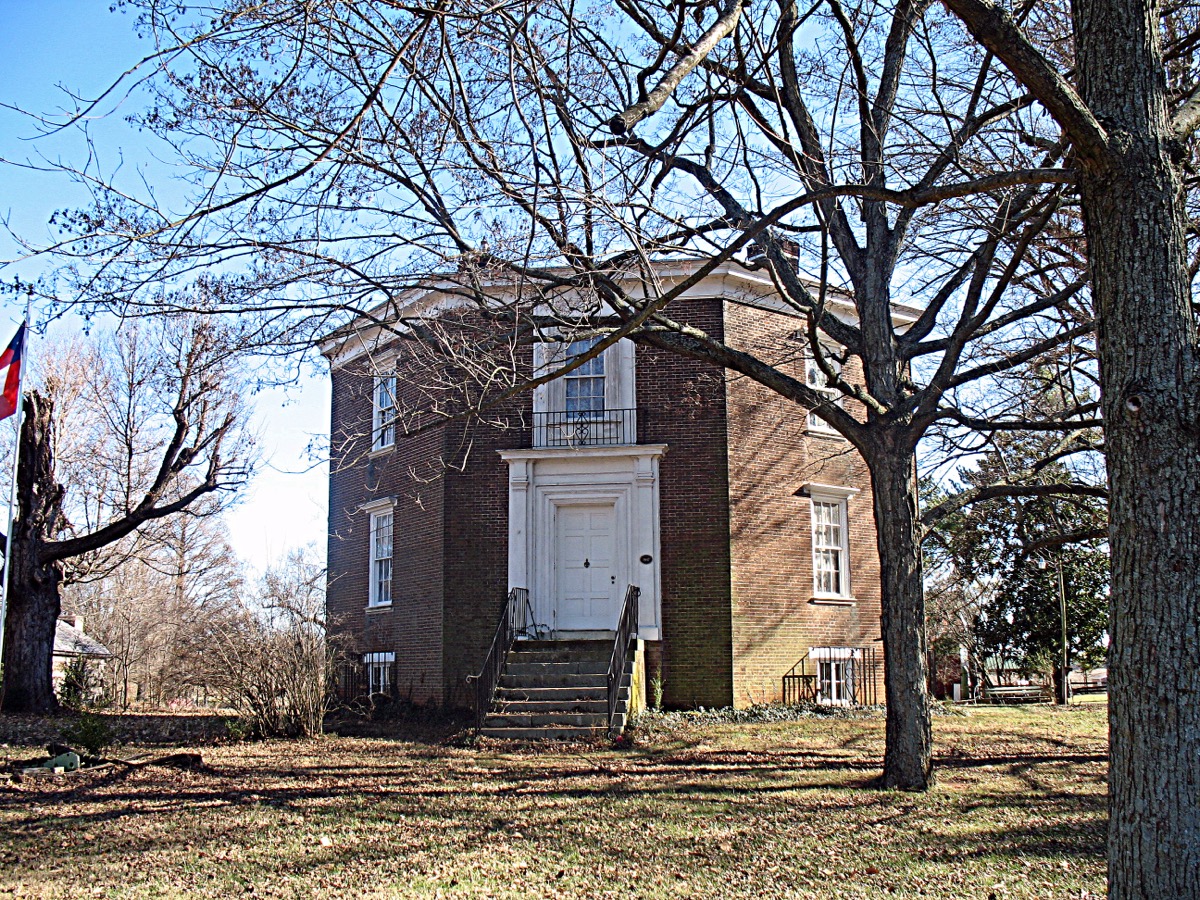
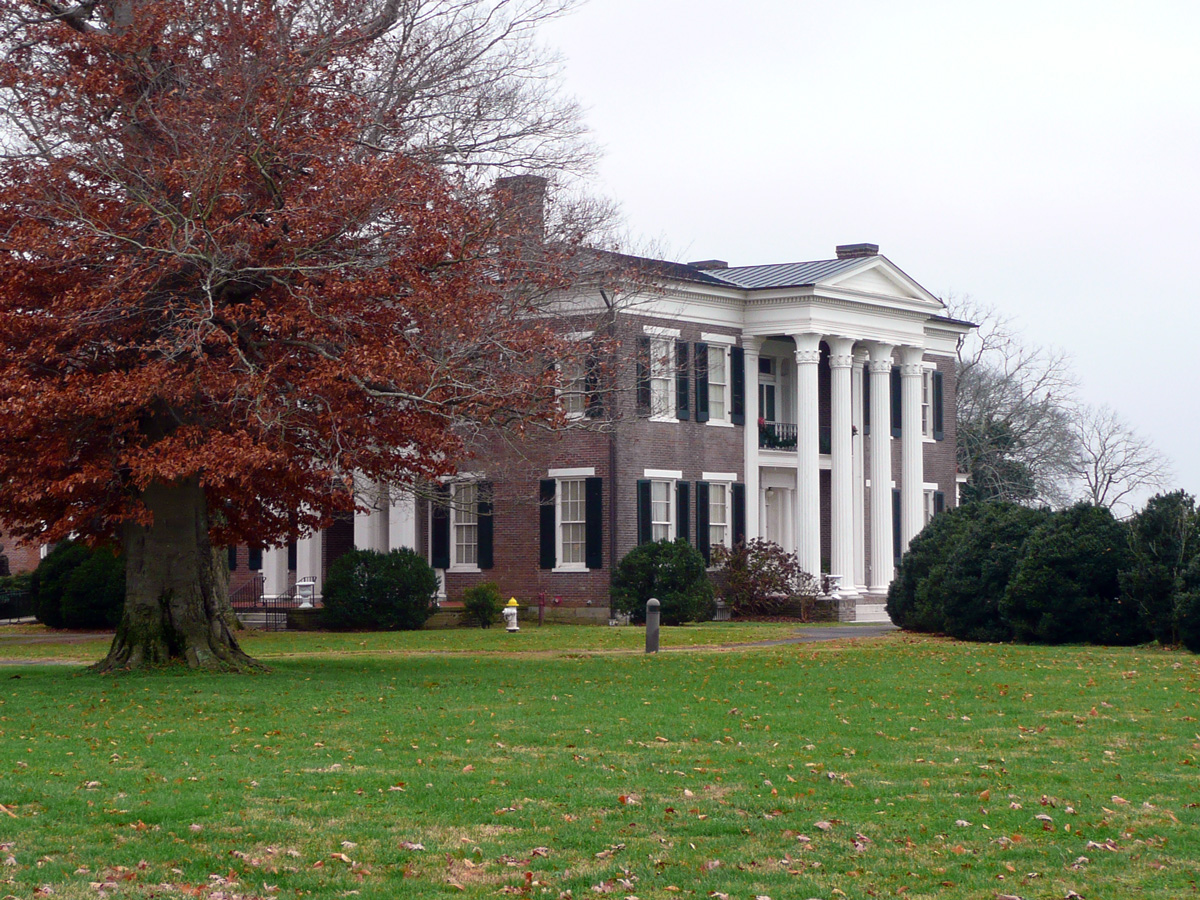
Carnton Plantation is a red-brick Federal-style residence completed in 1826 by prominent politician Randal McGavock using enslaved labor, and it served as the most significant field hospital during one of the bloodiest battles of the Civil War. On the evening of November 30, 1864, the Battle of Franklin transformed the eleven-room house into a charnel house. More than 1,750 men died in the fighting, and over 300 wounded soldiers were brought to Carnton for treatment. At least 150 died on the grounds during the first night alone. Four of the five Confederate generals killed in the battle were laid out on the back porch. The wooden floors of a southern-facing bedroom used as an operating room remain permanently stained with blood that no amount of cleaning has ever been able to remove.
In early 1866, Carrie McGavock, the matriarch of the family, designated two acres of the plantation as a cemetery for the Confederate dead, covering the initial cost of five dollars per soldier's burial. The McGavock Confederate Cemetery became the largest privately owned military cemetery in the nation, containing nearly 1,500 graves. Carrie McGavock maintained the cemetery meticulously for the rest of her life, earning the title 'the Widow of the South.'
The ghosts of Carnton are as varied as the tragedies that produced them. Confederate soldiers have been seen walking through the fields surrounding the house, and at least one of the five dead generals has been spotted riding a horse through the former battlefield, trotting away into the horizon on a ghostly stallion. One visitor encountered two spectral soldiers near the porch; one appeared to mount a horse that then vanished, while the second figure explained that the first soldier's horse had been shot beneath him during the battle.
The spirit of a young girl haunts the kitchen, said to have been murdered before the war by a jealous suitor she rejected. She is most commonly seen sweeping the floors at dusk, though she can also be mischievous -- the curator once found glass panes inexplicably relocated from a shelf to the back door. The floating head of the family cook from the Civil War era has been spotted drifting through the hallway and kitchen, apparently still performing her duties in death. The sounds of her working -- pots moving, utensils clanking -- have been heard when the kitchen is empty.
A Confederate general has been reported pacing the front porch during the fall, and a woman in white appears floating across the back porch at dusk, particularly during October. A young girl with brown hair has been seen in the bedrooms, and some visitors have reported encounters with what they describe as Native American spirits on the back porches and surrounding grounds, a reminder of the land's history long before the McGavock family arrived.
The bloodstained floors remain Carnton's most tangible connection to the horror of that November night. The plantation operates as a museum offering tours of the house, grounds, and McGavock Confederate Cemetery. The ghost stories are so numerous and well-documented that an entire book -- Carnton Plantation Ghost Stories by Lochlainn Seabrook -- has been dedicated to collecting them, and the plantation inspired the bestselling novel The Widow of the South by Robert Hicks.
Researched from 8 verified sources including historical records, local archives, and paranormal research organizations. Learn about our research process.