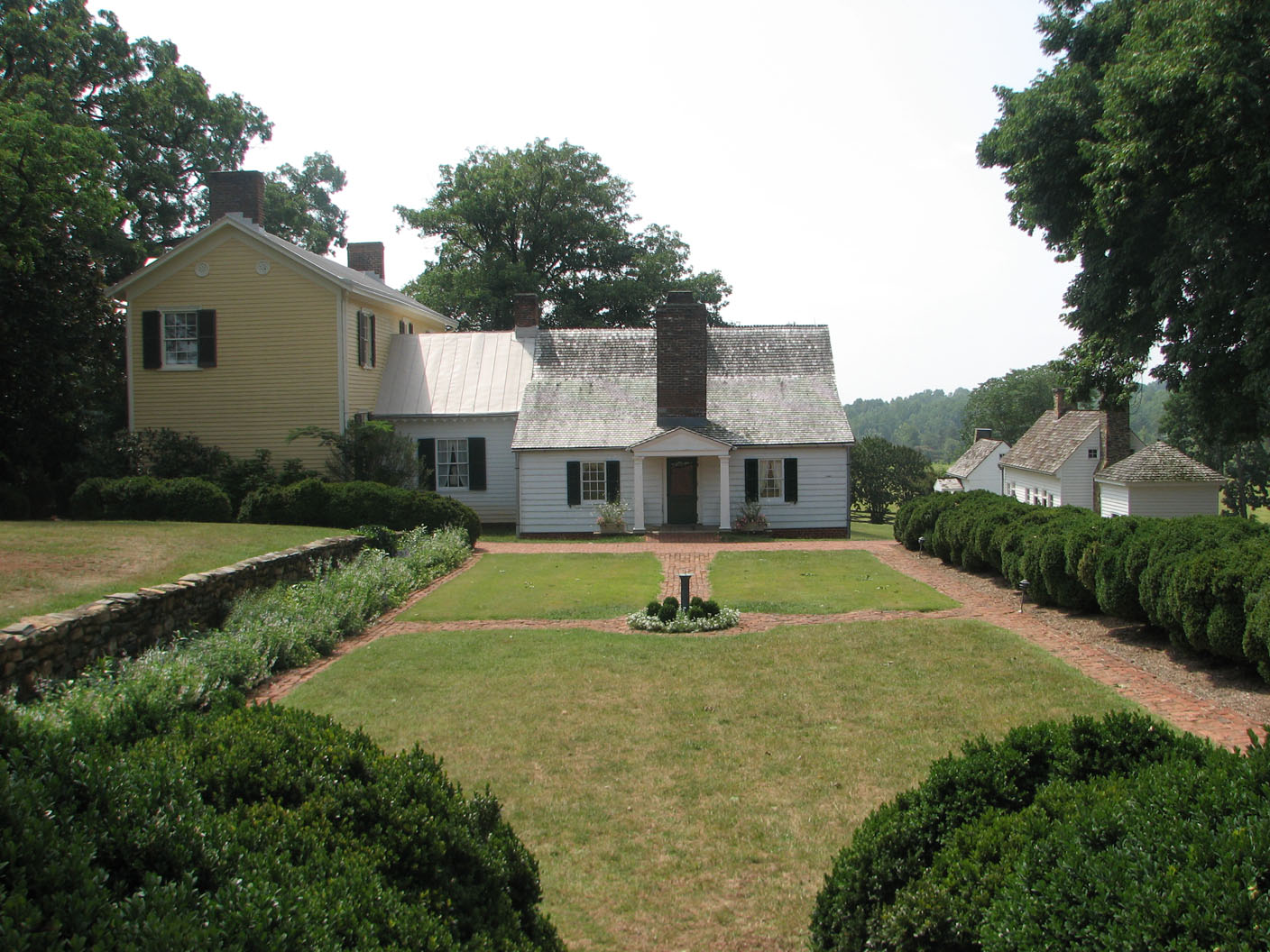
About This Location
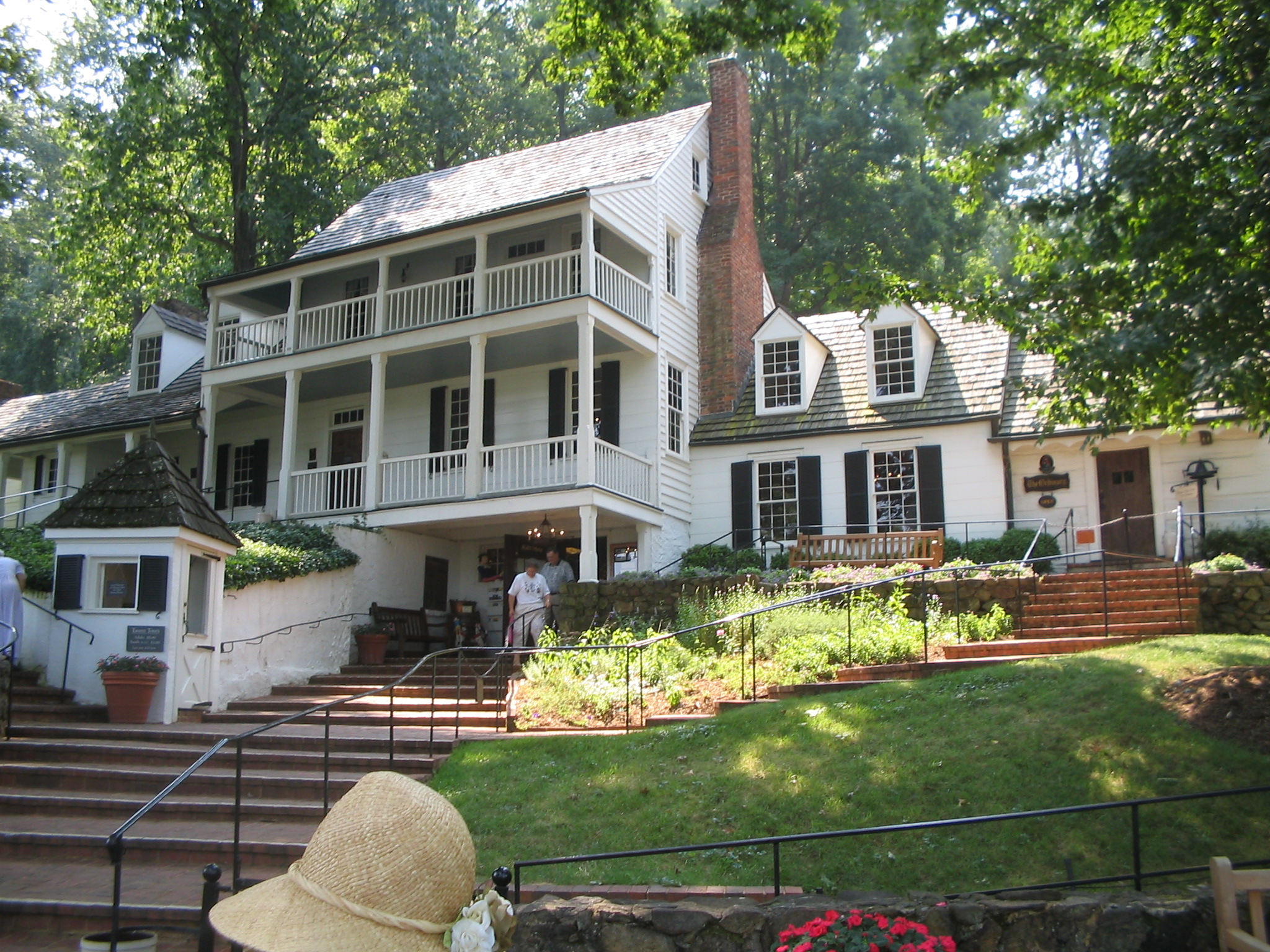
The home of President James Monroe from 1799-1823, located near his friend Thomas Jefferson's Monticello. The property includes the original overseer's cottage and later additions.
The Ghost Story
James Monroe's Highland, nestled in the foothills of Virginia's Blue Ridge Mountains just two miles from Thomas Jefferson's Monticello, is a presidential estate haunted not by spectral figures but by loss, memory, and the echoes of lives that slipped away too soon. Monroe purchased the 1,000-acre property in 1793 at Jefferson's urging, completed his main house in 1799, and lived here with his family for twenty-four years—a period marked by both political triumph and profound personal tragedy.
The most devastating blow came in September 1800, when Monroe's sixteen-month-old son, James Spence Monroe, died after complications from teething. Monroe was serving as Governor of Virginia during Gabriel's Rebellion when he received word his son was gravely ill. He rode for miles by horseback to reach Highland, arriving the very night the child died. In a heartbreaking letter to James Madison, Monroe wrote that his son "practically died in his arms" and that this was "the worst loss he'd ever experienced." His wife Elizabeth, pregnant at the time, was so devastated that she developed the epilepsy that would plague her for the rest of her life.
A handwritten poem titled "The Ghost of Ash Lawn" hangs near the staff office, its verses hauntingly evocative: "'Tis said that when the twilight falls, And birds have gone to nest, There hovers at Ash Lawn, A gentle spirit of unrest." The poem continues: "And through the hall, in breathless haste, An eerie presence moves, There gently rocks, a chair, or crib, As though a child to soothe." Many believe these lines commemorate little James Spence, whose spirit may linger where his parents once paced through sleepless nights of worry.
The most frequently reported paranormal phenomenon at Highland is a rocking chair that moves on its own. Tour guides and visitors have watched the chair sway gently back and forth without any visible cause—no wind, no vibration, no logical explanation. While many staff members have never witnessed anything unusual, others acknowledge the reports with quiet respect. The peaceful atmosphere of the estate allows visitors "plenty of chances to check in dark corners for shadows, shapes, and foreign sounds."
Highland is also haunted by its own lost architecture. Monroe's original 1799 house burned down around 1829, three years after he sold the property due to crushing debts. For over 180 years, visitors were told the standing white guesthouse was a surviving wing of Monroe's home. In 2016, archaeological research and dendrochronology revealed the truth: the building was actually a separate guesthouse constructed in 1818 by two enslaved craftsmen, Peter Mallory and George Williams. The main house had been completely destroyed.
This architectural ghost persists stubbornly. Despite the site's renaming from "Ash Lawn-Highland" to "Highland" in 2016, visitors still exclaim, "Oh, is this Ash Lawn?" As one researcher noted, "The ghost of Ash Lawn is a mighty specter" in central Virginia's collective memory.
The property also bears witness to the lives of the approximately 250 people Monroe enslaved over his lifetime. Their presence haunts the grounds in ways both literal and metaphorical. George Williams, one of the guesthouse builders, escaped with his wife Phebe on July 3, 1826—their fate remains unknown. Staff at Highland now encourage visitors to "interrogate ghostliness as a charged metaphor, especially when there are very real histories of enslavement, trauma, and violence haunting plantation spaces."
Today, Highland operates as a 535-acre working farm and museum under William & Mary's stewardship. Visitors report sensing a maternal presence watching over the home, and some claim Elizabeth Monroe's perfume occasionally drifts through the upstairs bedrooms. Whether these experiences reflect genuine supernatural activity or the profound emotional residue of a place that witnessed so much love and loss, Highland remains one of Virginia's most evocatively haunted presidential estates.
Researched from 8 verified sources including historical records, local archives, and paranormal research organizations. Learn about our research process.