About This Location
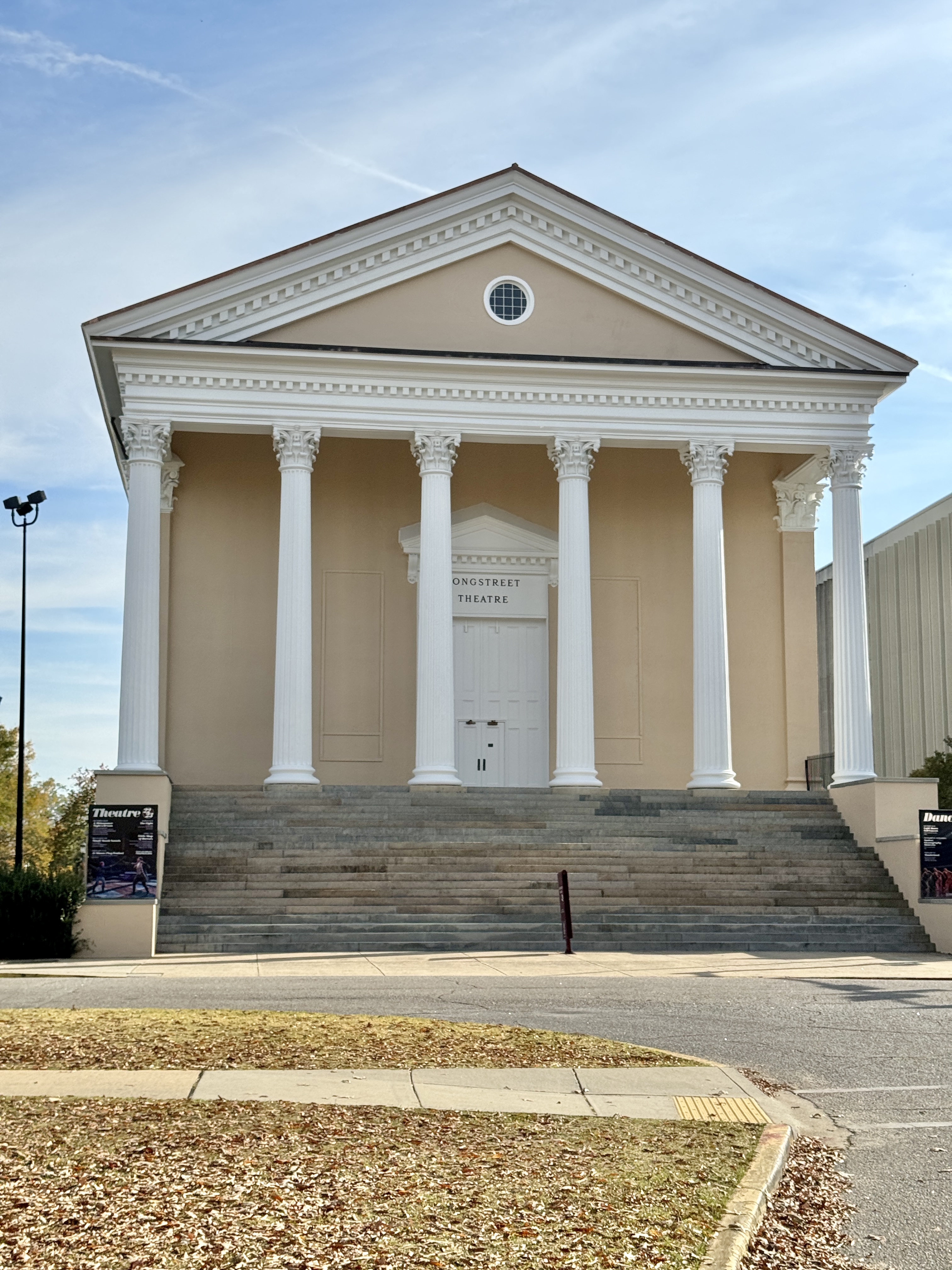
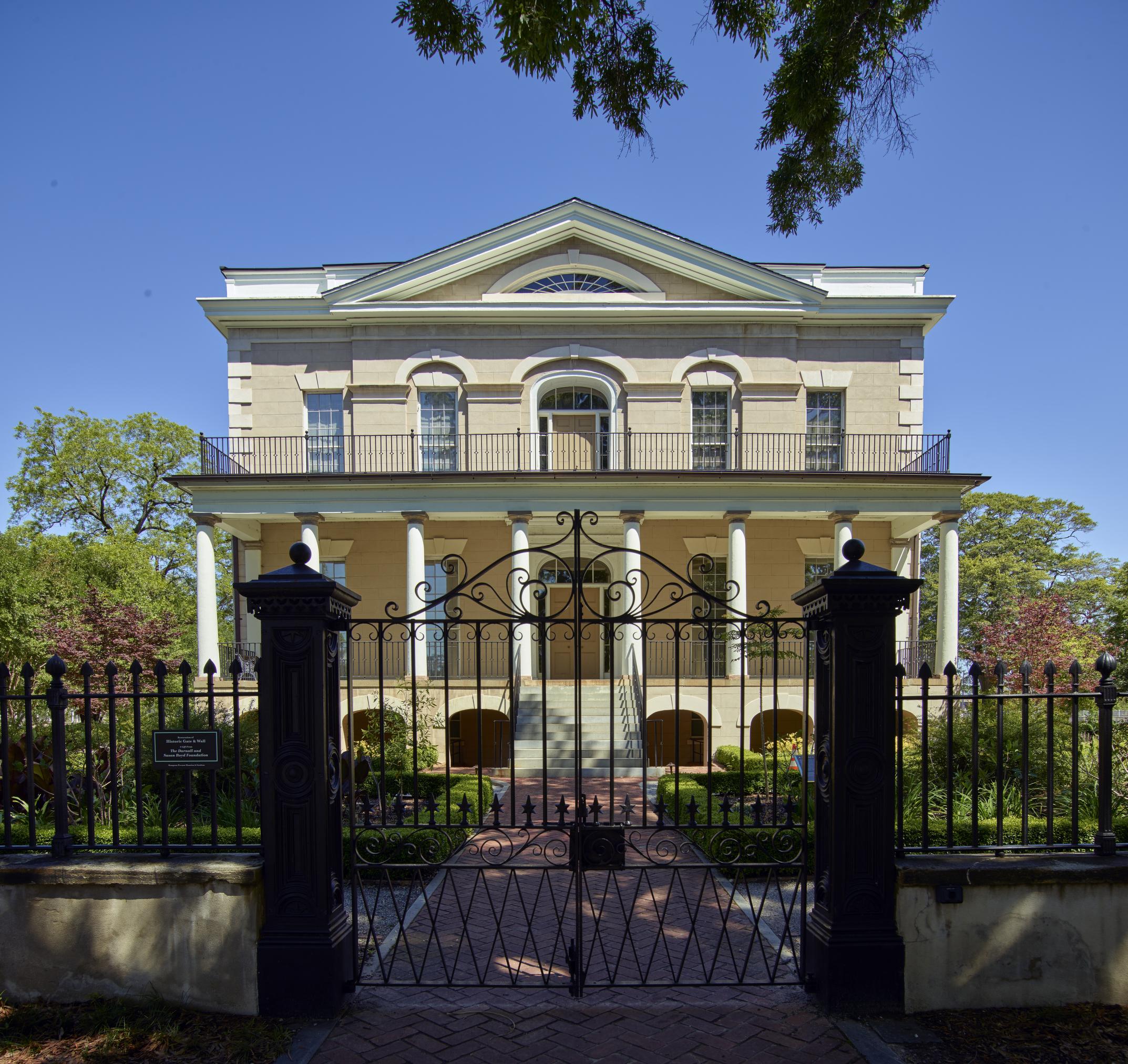
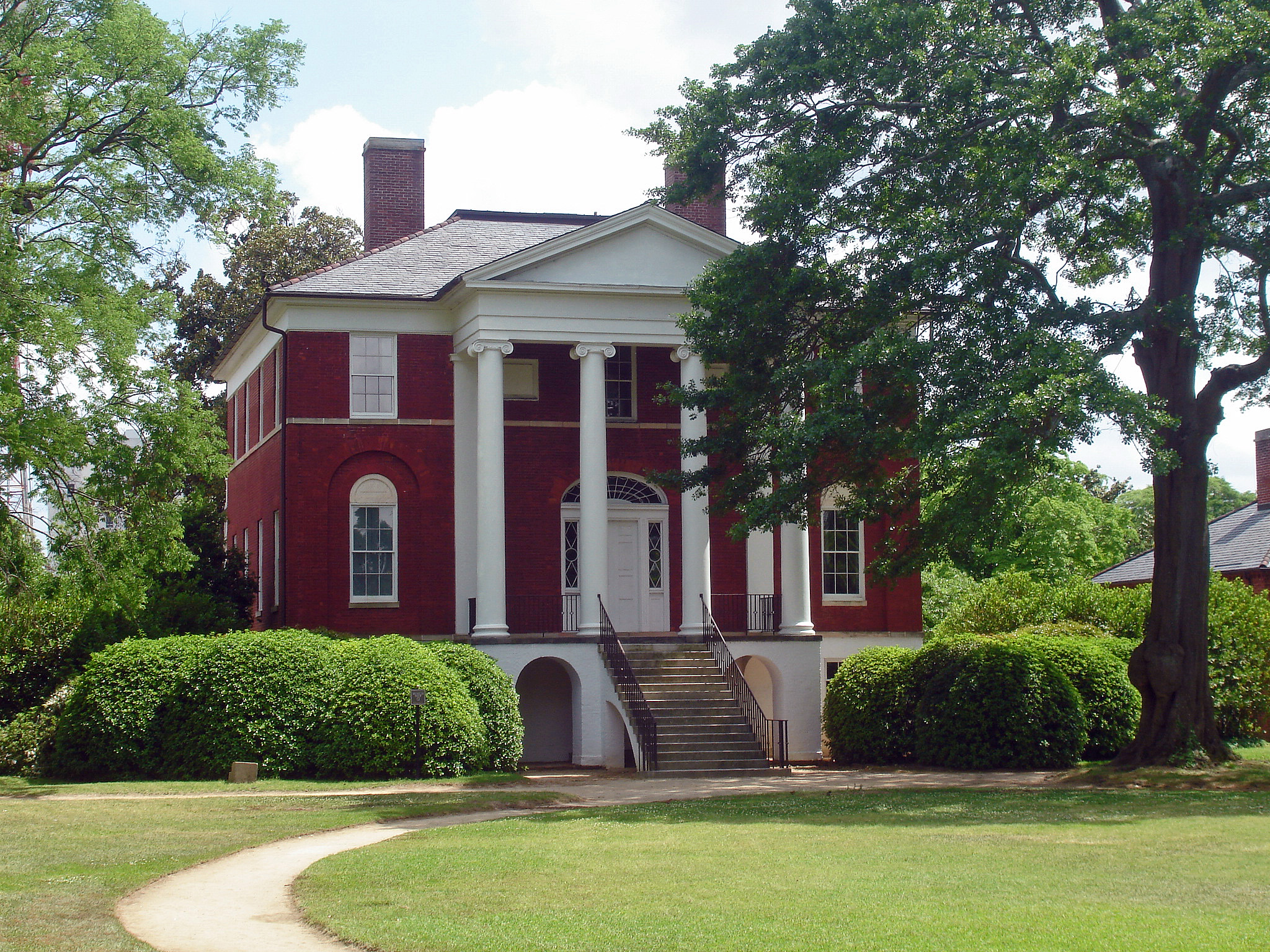
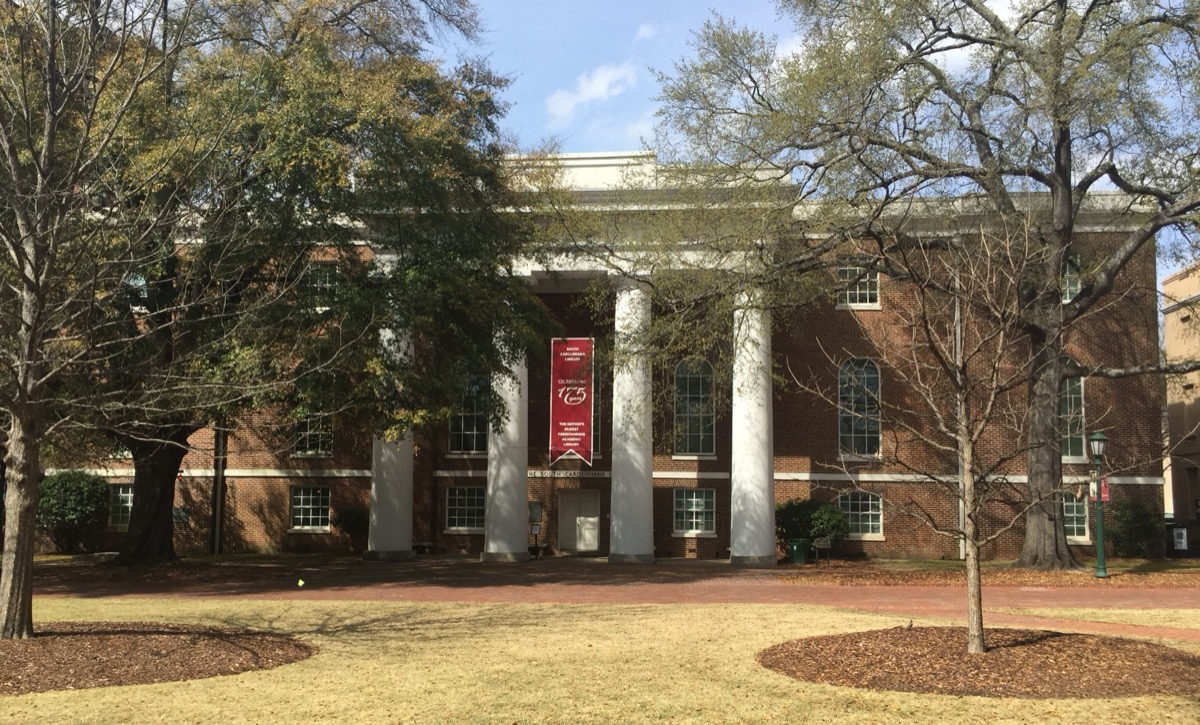
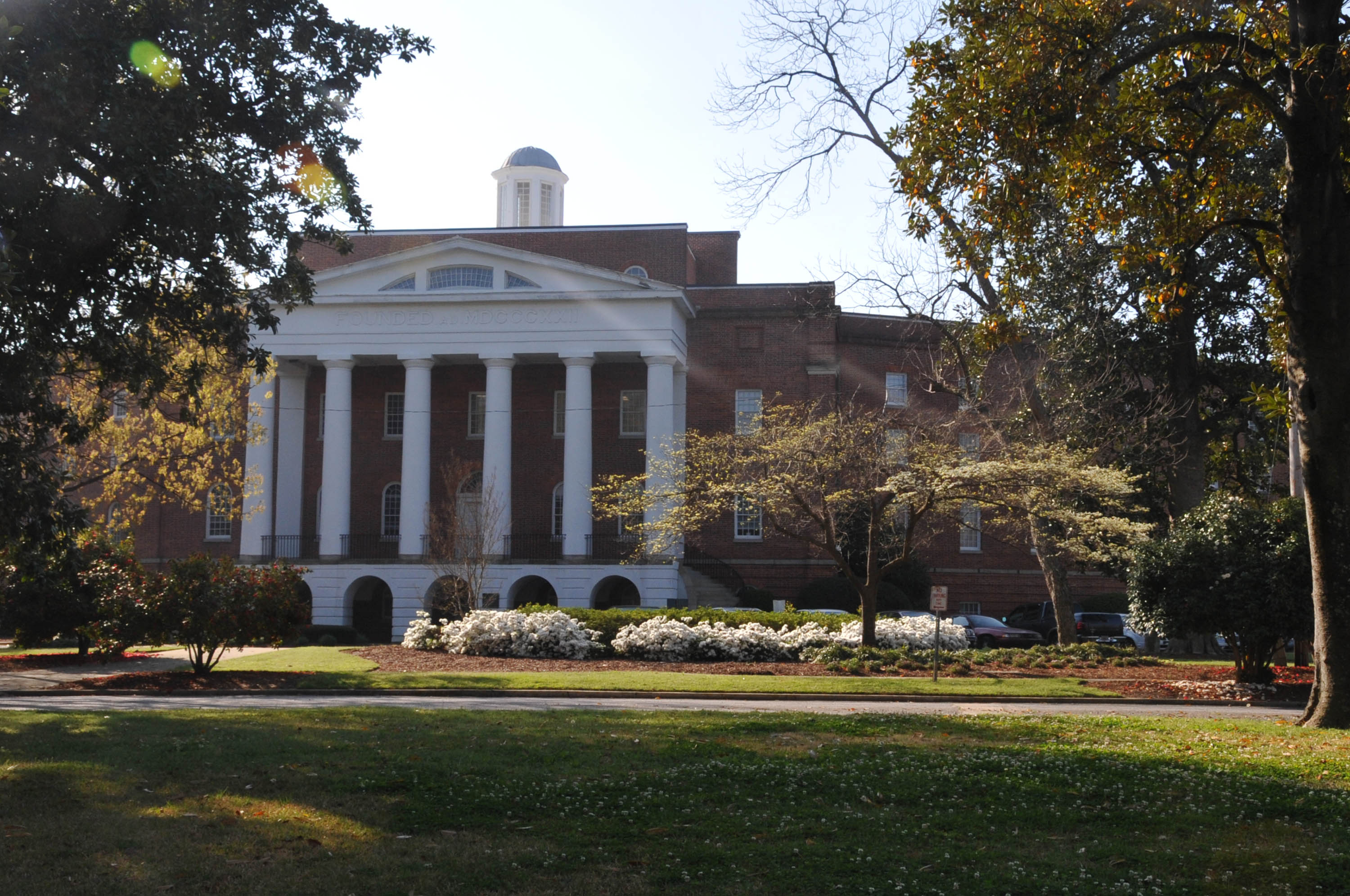
The South Carolina Lunatic Asylum, constructed between 1822 and 1827, was only the second mental health facility in the United States. During the Civil War, the grounds became a prison camp, beginning decades of decline and alleged mistreatment.
The Ghost Story
The South Carolina State Hospital on Bull Street in Columbia was one of the first public mental institutions established in the United States. The General Assembly authorized its creation in 1821, and South Carolina became only the second state in the nation to allocate funds for a facility dedicated to the care of the mentally ill. The first patient was admitted in December 1828 into a building designed by Robert Mills, the same architect who designed the Washington Monument. The campus expanded dramatically over the following decades, and the landmark Babcock Building was constructed in four campaigns between 1857 and 1885, designed by architects George E. Walker and Samuel Sloan. By the 1950s, the compound housed over five thousand patients.
The conditions inside the hospital were often horrific. An 1870 report described dark, dank, and poorly ventilated wards. By 1900, approximately thirty percent of the asylum's population died each year. Overcrowding was chronic -- the facility routinely held far more patients than it was designed to accommodate, and allegations of abuse, neglect, and inhumane treatment persisted throughout its history. The cemetery behind the hospital contains the remains of thousands of patients buried in unmarked graves, many of whom died alone and forgotten.
The paranormal activity reported at the South Carolina State Hospital is as intense as its history would suggest. Witnesses have reported seeing strange shadows moving through the corridors of the abandoned buildings, particularly in the Babcock Building before the devastating fire of September 12, 2020, which collapsed the building's iconic dome and gutted the interior. The disembodied cries and screams of former patients have been heard echoing through empty hallways and stairwells, along with residual hospital sounds -- the clang of metal doors, the squeak of wheels on tile floors, and murmured conversations in rooms that have been empty for decades. Visitors have reported cold spots, sudden feelings of dread, and the overwhelming sensation of being watched by unseen eyes from darkened windows.
Some accounts describe full apparitions of patients in hospital gowns wandering the grounds at night, particularly near the old cemetery. Others have reported hearing the sound of someone crying or calling for help from within sealed buildings. The sheer volume of human suffering concentrated on this campus over nearly two centuries -- thousands of deaths, decades of overcrowding, and generations of patients abandoned by their families -- has created what paranormal investigators consider one of the most charged locations in the state.
The Bull Street campus closed as a hospital in the 1990s and has since been undergoing redevelopment as BullStreet District, a mixed-use development that includes shops, restaurants, and the Segra Park baseball stadium. The Babcock Building, despite the 2020 fire, is being converted into 208 apartments. Historic Columbia has worked to document and preserve the stories of the people who lived and died on the campus, ensuring that the voices of the thousands who suffered here are not lost amid the new construction. Whether those voices will quiet once the buildings are filled with new life remains to be seen.
Researched from 8 verified sources including historical records, local archives, and paranormal research organizations. Learn about our research process.