
About This Location
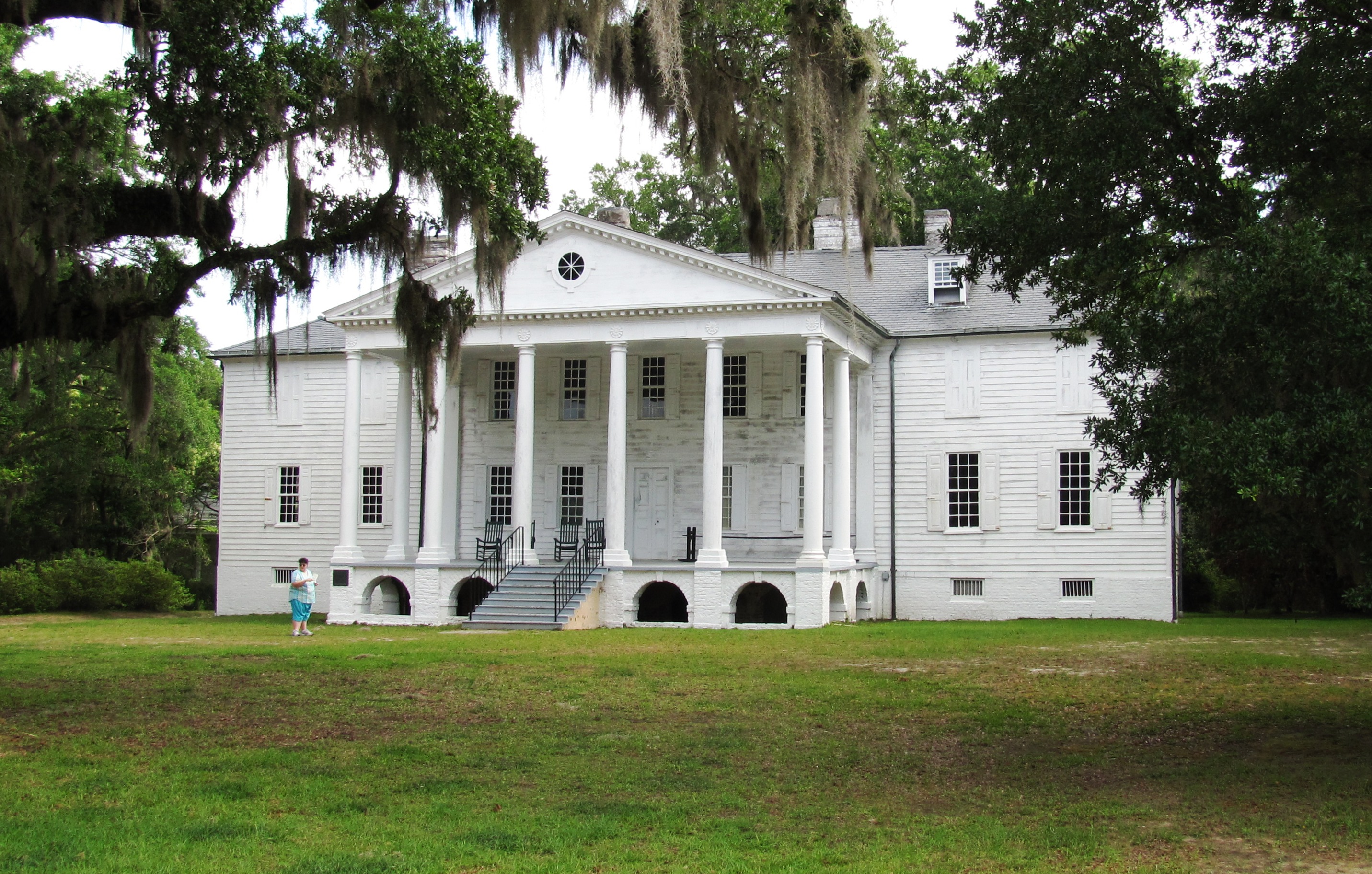
Surrounded by oak trees and Spanish moss, Hampton Plantation looks peaceful but has a haunted history marked by a slave graveyard and multiple suicides. George Washington once had breakfast under the home's famous oak.
The Ghost Story
Hampton Plantation was built in 1735 by Noe Serre, a French Huguenot settler, on the banks of Wambaw Creek in the South Carolina Lowcountry. The property passed through several prominent families before Daniel Horry acquired it in 1757 and greatly expanded the house, adding a two-story ballroom and master bedroom suite. His son married Harriott Pinckney, daughter of the celebrated Eliza Lucas Pinckney, who pioneered indigo production in the colonies. During the Revolutionary War, the plantation served as a refuge for Patriot families, and British troops searched the grounds twice looking for Francis Marion, the legendary Swamp Fox, who according to tradition hid in the surrounding rice fields with Harriott Horry's assistance. On May 1, 1791, President George Washington stopped at Hampton for breakfast during his Southern Tour. Told that a massive live oak blocking the view of the new Adamesque portico would be cut down, Washington reportedly urged the family to let the tree stand. The oak was spared and is still alive today, known as the Washington Oak.
At its peak, approximately 340 enslaved people worked Hampton's rice fields, carving the intricate system of impoundments and dikes that made Carolina Gold rice one of the most profitable crops in the colonial South. Their descendants continued to live on the land long after emancipation, and the 20-acre Sam Hill Cemetery, where generations of African Americans are buried, remains an active burial ground with rights preserved by the Rutledge family. According to local legend passed down through Gullah tradition, stepping on graves in the cemetery will cause the spirit of the deceased to follow you home. Another warning holds that pointing at one of the graves will cause your finger to fall off. Whether rooted in West African spiritual beliefs about honoring the dead or simply cautionary tales to protect sacred ground, these stories give the cemetery an atmosphere of deep reverence and unease.
The plantation's most famous ghost is John Henry Rutledge, son of Frederick and Harriott Rutledge, born in 1809. As a young man, John Henry fell in love with a pharmacist's daughter, but his mother considered the match beneath the family's station. The pharmacist himself forbade Rutledge from ever setting foot in his shop again. Devastated by the rejection from both sides, John Henry retreated to an upstairs room at the mansion. According to accounts documented by author Nancy Rhyne in her book John Henry Rutledge: The Ghost of Hampton Plantation, based on interviews conducted in the 1970s with Sue Alston, a descendant of enslaved people who spent her entire life on the property, the young man sat in a rocking chair by the window day after day, staring out in despair while his family dismissed his anguish. On the night of a thunderstorm, while a ball was being held downstairs, John Henry shot himself. He did not die immediately but lingered for several days before passing on March 5, 1830, at the age of twenty-one. He was buried behind the house on the plantation grounds, where his grave remains today.
Guests who have slept in John Henry's old bedroom report waking to find the empty rocking chair moving on its own, gently swaying near the window as though someone unseen still sat gazing out. Windows that were shut before bed are found open in the morning, and windows left open are inexplicably closed. According to one account, the original rocking chair in which Rutledge died continued to rock by itself until the day it was finally removed from the house. His spirit, it is said, never left the upstairs room where he spent his final despairing weeks.
The last private owner was Archibald Rutledge, South Carolina's first poet laureate, appointed in 1934, who returned to restore the decaying mansion in 1937 and wrote lovingly about it in his 1941 book Home by the River. His closest companion on the plantation was Prince Alston, a descendant of those once enslaved there. Sue Alston, Prince's wife, worked at Hampton for over seventy years and was believed to be 110 years old when she died in 1983. It was Sue who passed the ghost stories of the plantation to Nancy Rhyne, preserving oral traditions that stretch back generations. Archibald Rutledge died on September 15, 1973, and the property was designated a National Historic Landmark in 1970 before passing to the state of South Carolina as a historic site. Today, the mansion's twelve rooms are open for guided tours, and the South Carolina State Park Service hosts seasonal Legends and Lore events exploring the plantation's haunted history. Visitors walking the grounds at twilight, beneath live oaks heavy with Spanish moss, often describe a profound heaviness that has nothing to do with the humidity.
Researched from 11 verified sources including historical records, local archives, and paranormal research organizations. Learn about our research process.