About This Location
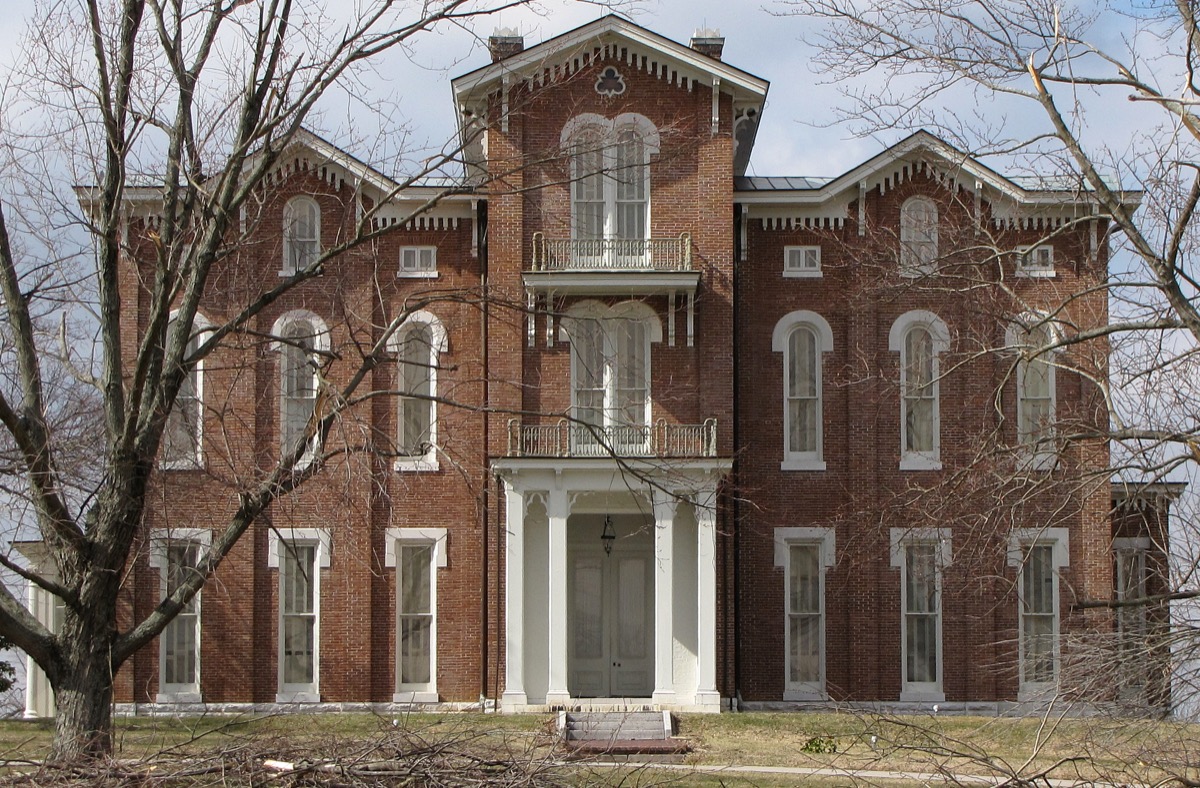
This 44-room mansion was expanded in the 1860s by Cassius Marcellus Clay, the fiery abolitionist, duelist, and friend of Abraham Lincoln who later served as ambassador to Russia. The original 1799 structure was built by his father, General Green Clay.
The Ghost Story
White Hall is a sprawling 44-room mansion set on 14 acres of farmland in northern Madison County near Richmond, Kentucky. The original structure dates to 1798, built by General Green Clay, one of the largest landholders and slaveholders in Kentucky. But it is his son, General Cassius Marcellus Clay, who made White Hall famous — and who, according to those who work and visit here, has never left.
Cassius Clay was one of the most extraordinary and contradictory figures in Kentucky history. Despite being born into a slaveholding dynasty, he became a fierce emancipationist who published an antislavery newspaper called The True American in Lexington, which was so inflammatory he was forced to move production to Cincinnati. He was a violent man by any measure — known for defending his abolitionist ideals with bowie knives and pistols at political rallies and surviving multiple assassination attempts. He met Abraham Lincoln at a political rally and campaigned for him; Lincoln rewarded Clay by appointing him Minister to Russia. He lived to the age of 93, occupying White Hall through scandals, multiple divorces, and a series of peccadilloes that became the stuff of legend. The nickname that followed him through life was "The Lion of White Hall."
The Lion appears to have never left his den. Tour guides and curators report doors and shutters opening on their own, furniture moving in empty rooms, and the sounds of a piano and violin playing music from instruments that no longer function. The scent of burning candles drifts through rooms where no candles are lit, and the fragrance of rose perfume has been detected with no identifiable source. Cold spots appear throughout the mansion without explanation.
Visitors and staff have identified at least four distinct apparitions. A man that many assume to be Cassius Clay himself has been seen moving through the house. A young boy in period dress appears to enjoy playing hide and seek with visitors, appearing and disappearing between rooms. A woman in a hoop skirt has been spotted in the hallways. And a baby can sometimes be heard alternately gurgling happily or crying, as if tended by unseen hands.
One of White Hall's most remarkable features was a mysterious, permanent image visible in an upper window of the mansion — the face and torso of an enslaved woman, appearing to gaze outward as if watching for something. According to local legend, a sheriff's posse once arrived at White Hall to rescue the woman, but she chose to remain, having been granted her freedom by Clay himself. The image persisted in the glass for years, visible to visitors approaching the house, until a UV coating was applied to the window in 2007, rendering the ghostly image invisible.
White Hall was donated to the Commonwealth of Kentucky in 1968 by Clay descendants and opened to the public in 1971 as a state historic site, now managed by Eastern Kentucky University. The mansion hosts "Scandals and Ghost Stories" tours and annual Haunted Halloween events that draw visitors from across the region. Paranormal investigation teams have conducted formal studies of the property. For a man who spent his life fighting, provoking, and refusing to be silenced, it seems fitting that Cassius Clay would find death no more effective at quieting him than his enemies ever were.
Researched from 6 verified sources including historical records, local archives, and paranormal research organizations. Learn about our research process.