About This Location
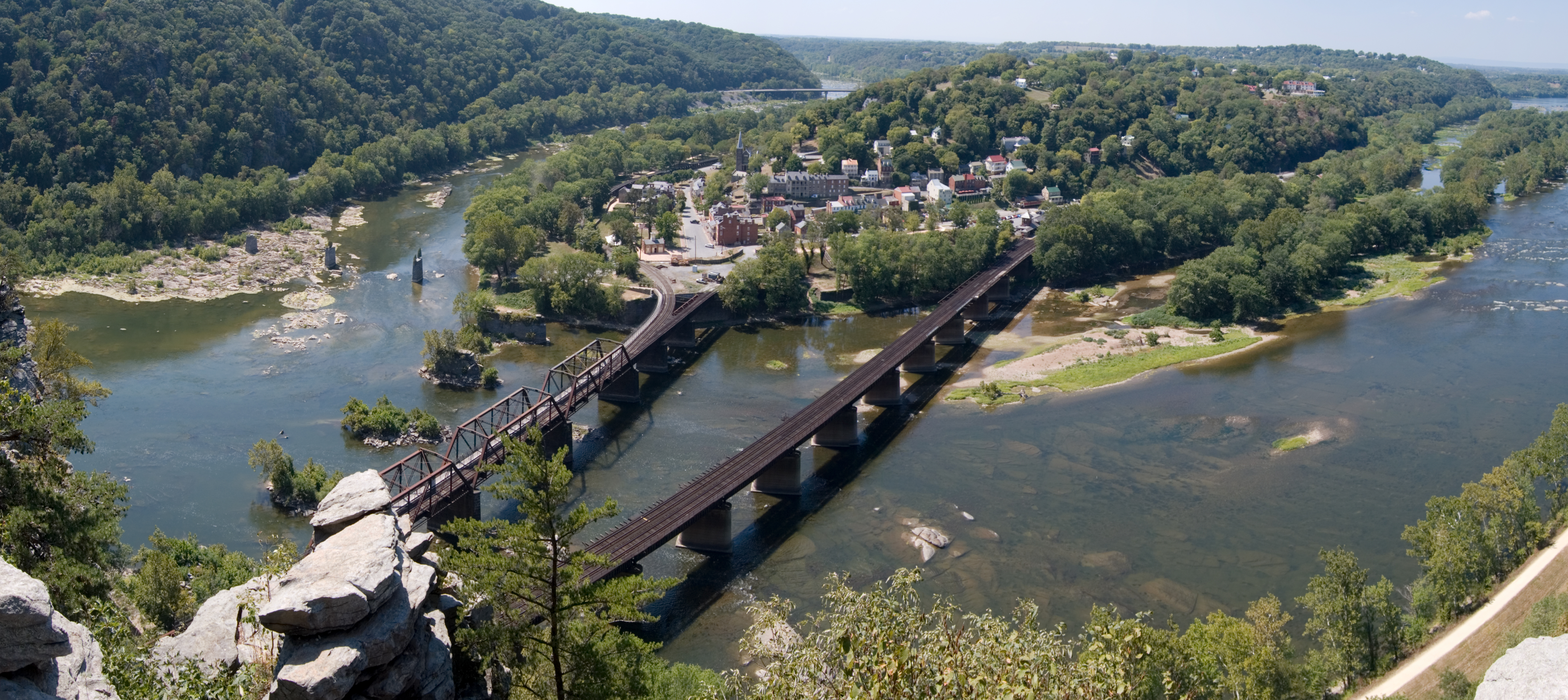
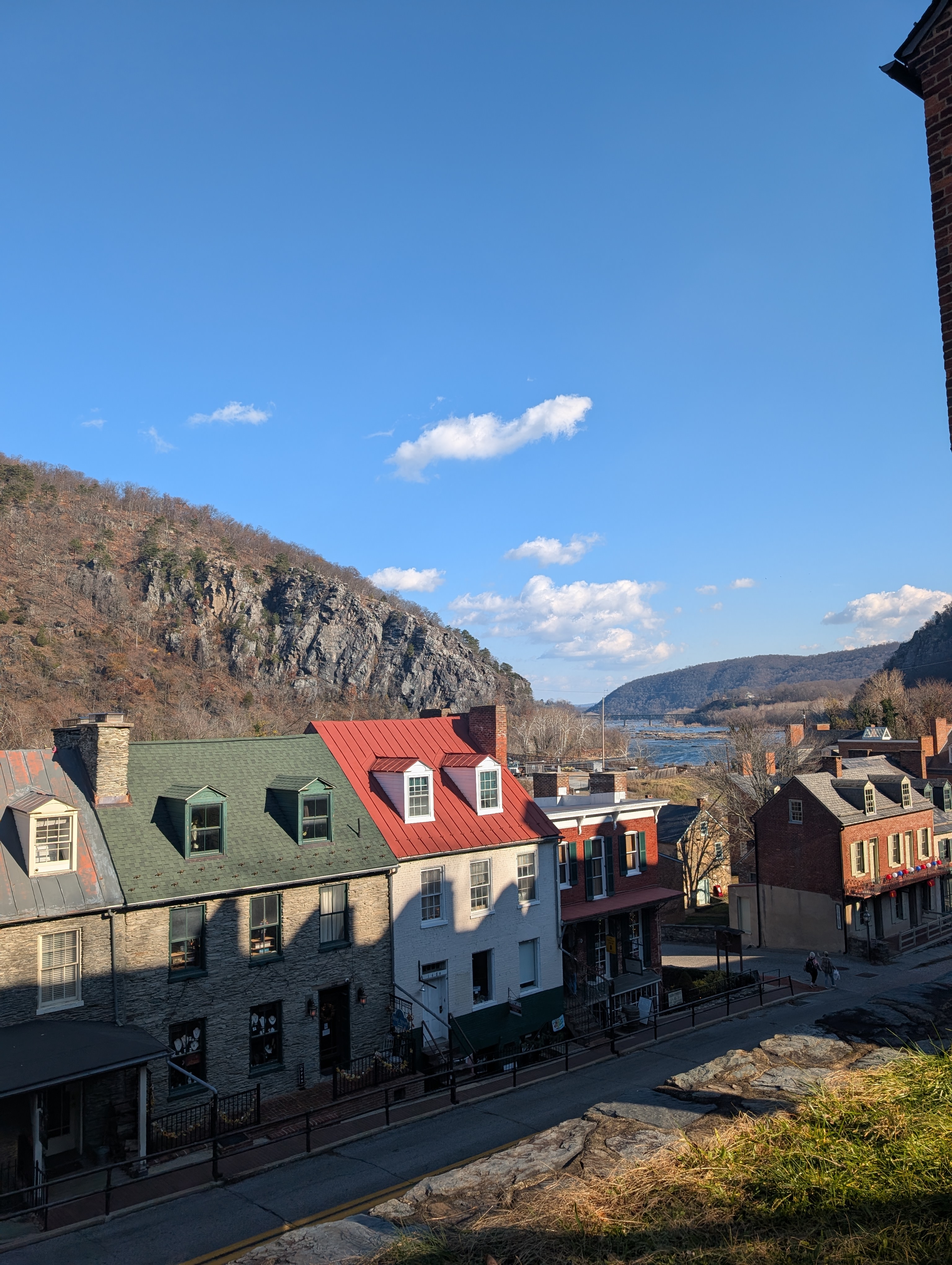
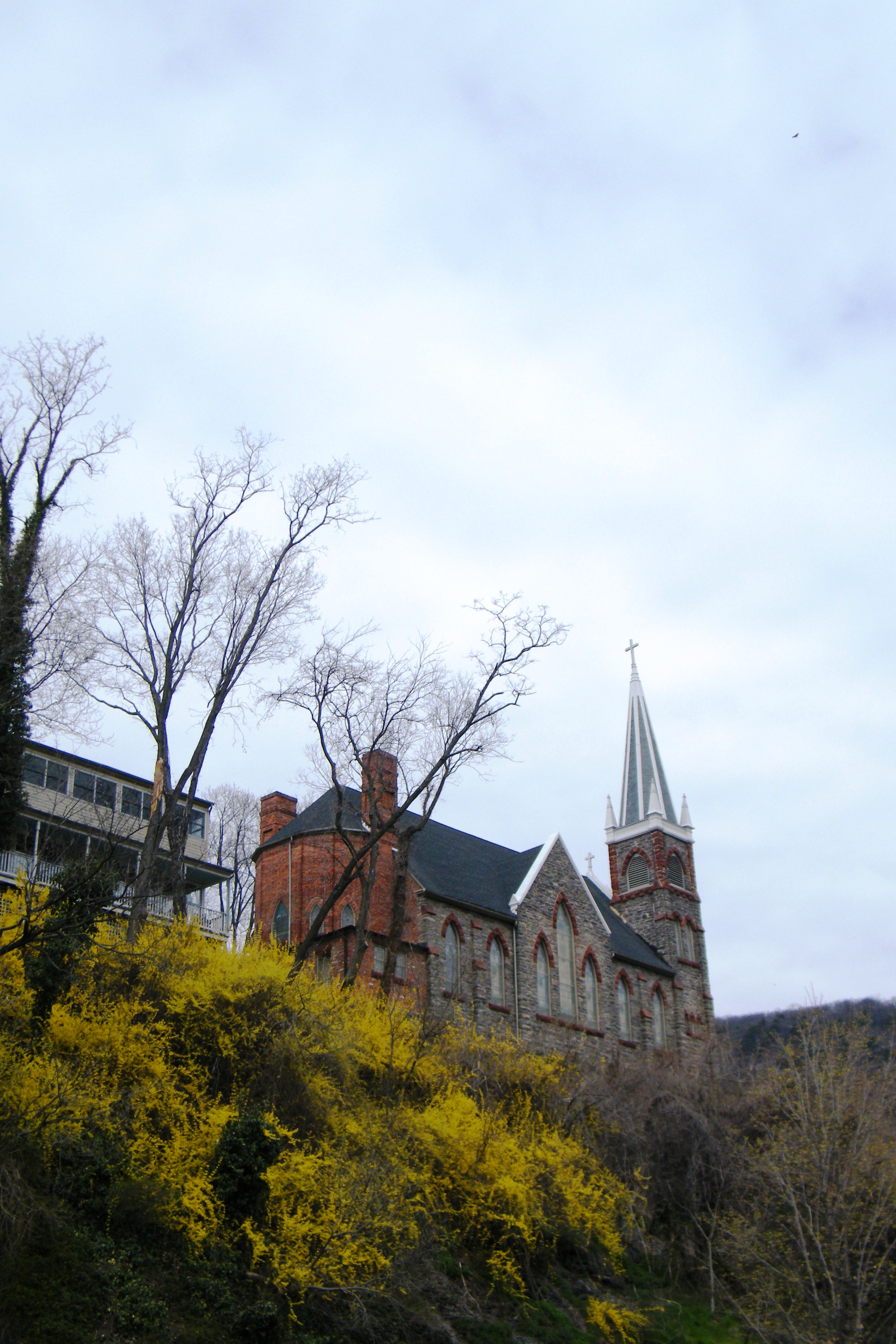
A stone church built between 1831 and 1833 on a hillside overlooking the town. During the Civil War, it served as a hospital for sick and wounded soldiers from both armies. The church survived the war largely intact and remains an active parish.
The Ghost Story
St. Peter's Roman Catholic Church in Harpers Ferry was born from the labor of Irish immigrants and survived the Civil War through the courage of a single priest who refused to abandon his flock. The church stands today as both a testament to immigrant faith and one of the most reliably haunted sites in a town already famous for its ghosts.
Construction of the Chesapeake and Ohio Canal and the Baltimore and Ohio Railroad in the early 1830s brought a flood of Irish laborers to the Harpers Ferry area. These workers, many of them Catholics with no place to worship, pooled their meager wages to build a church. St. Peter's was completed in 1833, a modest stone building on the hillside above the lower town, and it became the spiritual center of the Irish community that was literally building America's infrastructure with their hands.
In 1857, Father Michael Costello became pastor of St. Peter's, and within two years the young priest found himself at the center of events that would reshape the nation. On October 16, 1859, John Brown's raiders stormed the federal armory below the church, and Costello wrote a vivid firsthand account of the raid in a letter to fellow priest Father Harrington. The twenty-eight-year-old clergyman watched the firefight from the church grounds and ministered to the wounded and dying as the violence unfolded in the streets below.
When the Civil War erupted two years later, Harpers Ferry became one of the most contested towns in the conflict. Every other clergyman fled. Father Costello stayed. As the town changed hands eight times between Union and Confederate forces, Costello devised a remarkable strategy to protect his church from bombardment: he flew the British Union Jack from the steeple, a symbol of neutral foreign sovereignty that gave both armies pause before firing on the building. The gambit worked. While much of Harpers Ferry was reduced to rubble, St. Peter's emerged from the war relatively unscathed.
During the conflict, the church and its school house served as makeshift hospitals at various times, with wounded soldiers from both sides laid out in the pews and on the floors. Costello administered last rites, heard confessions, and held services as often as conditions allowed, sometimes with shells exploding within earshot. The priest who had witnessed John Brown's raid and endured four years of war finally succumbed to illness in 1867, dying at his post after a decade of unbroken service.
Father Costello's ghost has become one of the most frequently reported spirits in Harpers Ferry. Dressed in his clerical robes, he is seen walking near the church, particularly along the path between the building and the cemetery where many of the Irish laborers and Civil War casualties are buried. His apparition is described as purposeful and calm -- a priest still making his rounds, still tending to his parish, still refusing to leave.
He is not alone. The spirit of a mortally wounded Civil War soldier has been seen near the church, dragging himself along the stone path as though seeking the sanctuary of the building that served as a hospital during the war. Visitors to the churchyard have reported sudden drops in temperature, the sound of moaning, and the unmistakable smell of blood in the open air -- sensory echoes of the suffering that filled these grounds when the church was pressed into service as a place of healing and death.
St. Peter's remains an active chapel, now part of St. James the Greater Catholic Church parish. The building that Irish immigrants raised with their calloused hands, that Father Costello saved with a British flag and sheer stubbornness, continues to serve the living. But the dead, it seems, have never stopped coming to church.