About This Location
One of the oldest surviving structures in Harpers Ferry, built by Robert Harper's descendants in the late 18th century. The stone house stands on the hillside above the lower town and is part of the Harpers Ferry National Historical Park.
The Ghost Story
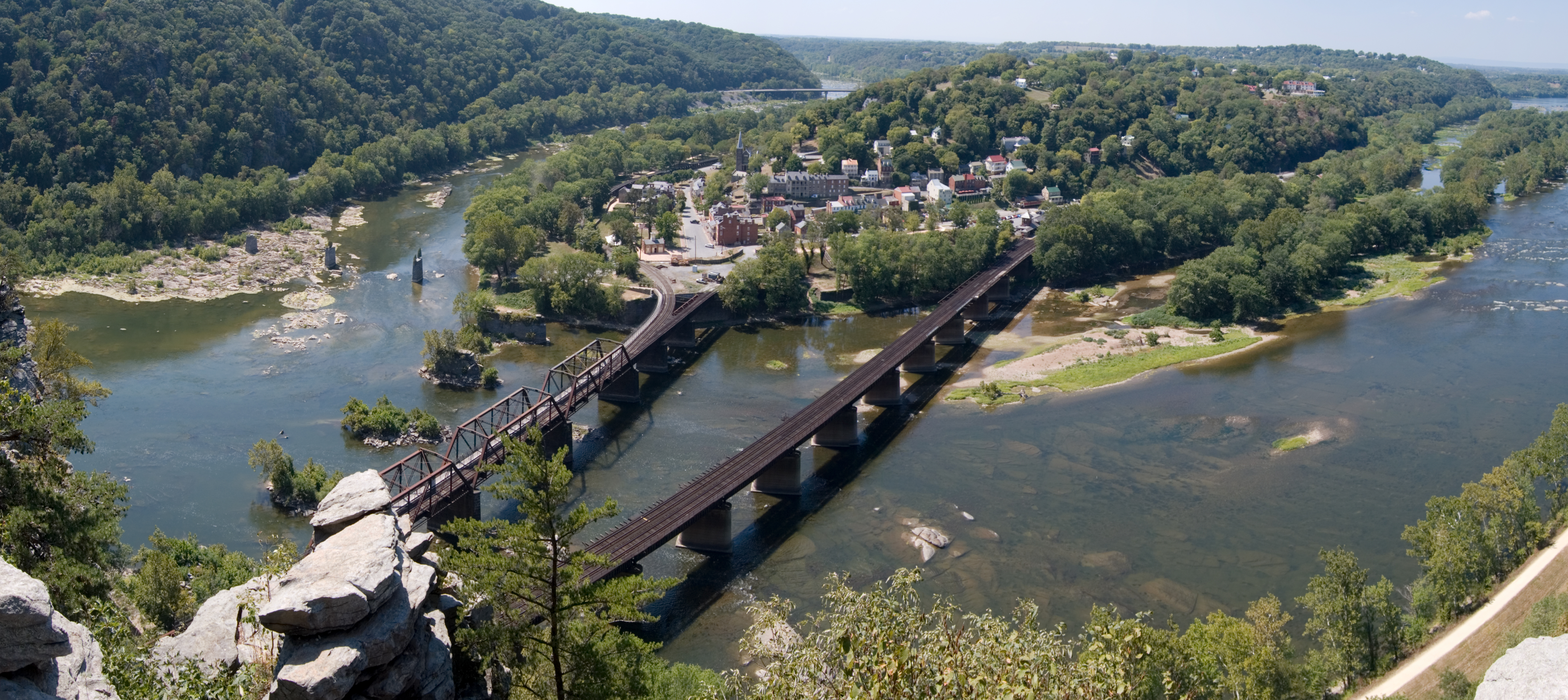
The Harper House is the oldest surviving structure in Harpers Ferry, and the man who built it never lived to sleep under its roof. Robert Harper, the town's namesake, began construction of his stone house on the hillside above the confluence of the Potomac and Shenandoah Rivers in 1775. The house was not completed until 1782, and by that time Harper had died, leaving behind the unfinished home and the settlement that would carry his name into history.
Harper's wife, Rachel, also met a tragic end. According to local accounts, she fell from a ladder and died from her injuries, preceding her husband in death by a brief period. The couple's dreams of building a life in their hilltop home were cut short by the same cruel randomness that defined existence on the American frontier. But neither Robert nor Rachel, it seems, ever fully departed from the house they planned together.
After Robert Harper's death, the house served as a tavern for twenty years, hosting some of the most consequential figures in early American history. George Washington stayed here while surveying the area for a national armory. Thomas Jefferson visited in 1783 and described the view from the hilltop as 'one of the most stupendous scenes in nature.' In 1803, Meriwether Lewis stopped at the house while obtaining supplies for the Lewis and Clark Expedition at the nearby federal armory. The Harper House was, for a generation, a crossroads of American ambition and exploration.
It was also, from the beginning, a place where the dead refused to leave. Rachel Harper has been the more active of the two spirits reported in the house. She has been seen staring out of a second-floor window at the garden she planted before her death, a translucent figure that visitors notice from the street below. According to a persistent legend, Rachel buried money somewhere in the garden -- a cache that was never recovered. Some believe her ghost guards the lost fortune, appearing at the window to keep watch over the earth that holds her secret.
Robert Harper's ghost is more elusive but has been encountered by visitors and National Park Service staff over the years. He is a quieter presence, felt more often than seen -- a sudden chill in a room, the sensation of being watched from a doorway, the creak of footsteps on the staircase when no one else is in the building. His is the restlessness of a man who built something he never enjoyed, whose house became a tavern, then a relic, then a museum -- everything except the home he intended.
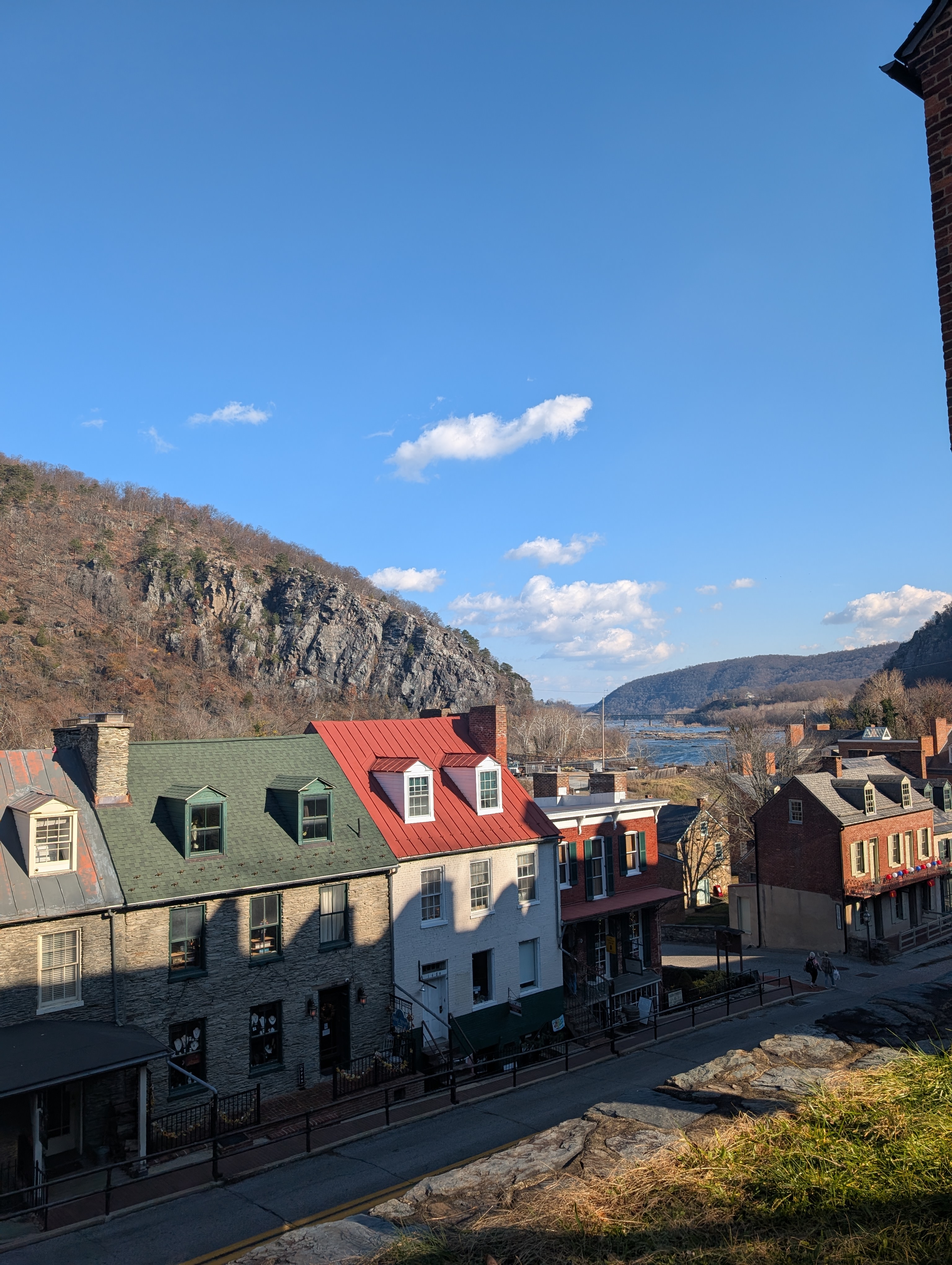
The Harper House now operates as part of Harpers Ferry National Historical Park, maintained by the National Park Service. It sits above the lower town, reached by climbing stone steps carved into the hillside. The building has been restored to its late 18th-century appearance, and interpretive panels tell the story of the Harpers and the early settlement they founded. But the National Park Service's official account of the house's history does not include everything that visitors experience within its walls.
In a town ranked among the most haunted in America -- a place where John Brown's ghost walks the streets and Civil War dead crowd the alleys -- the Harper House holds a unique position. Its ghosts are not victims of war or violence but of the simpler tragedies of frontier life: a fall from a ladder, an illness that ended a life before a house could be finished. Robert and Rachel Harper are the oldest spirits in one of America's oldest haunted towns, and their house on the hill remains exactly what it was meant to be -- their home.