About This Location
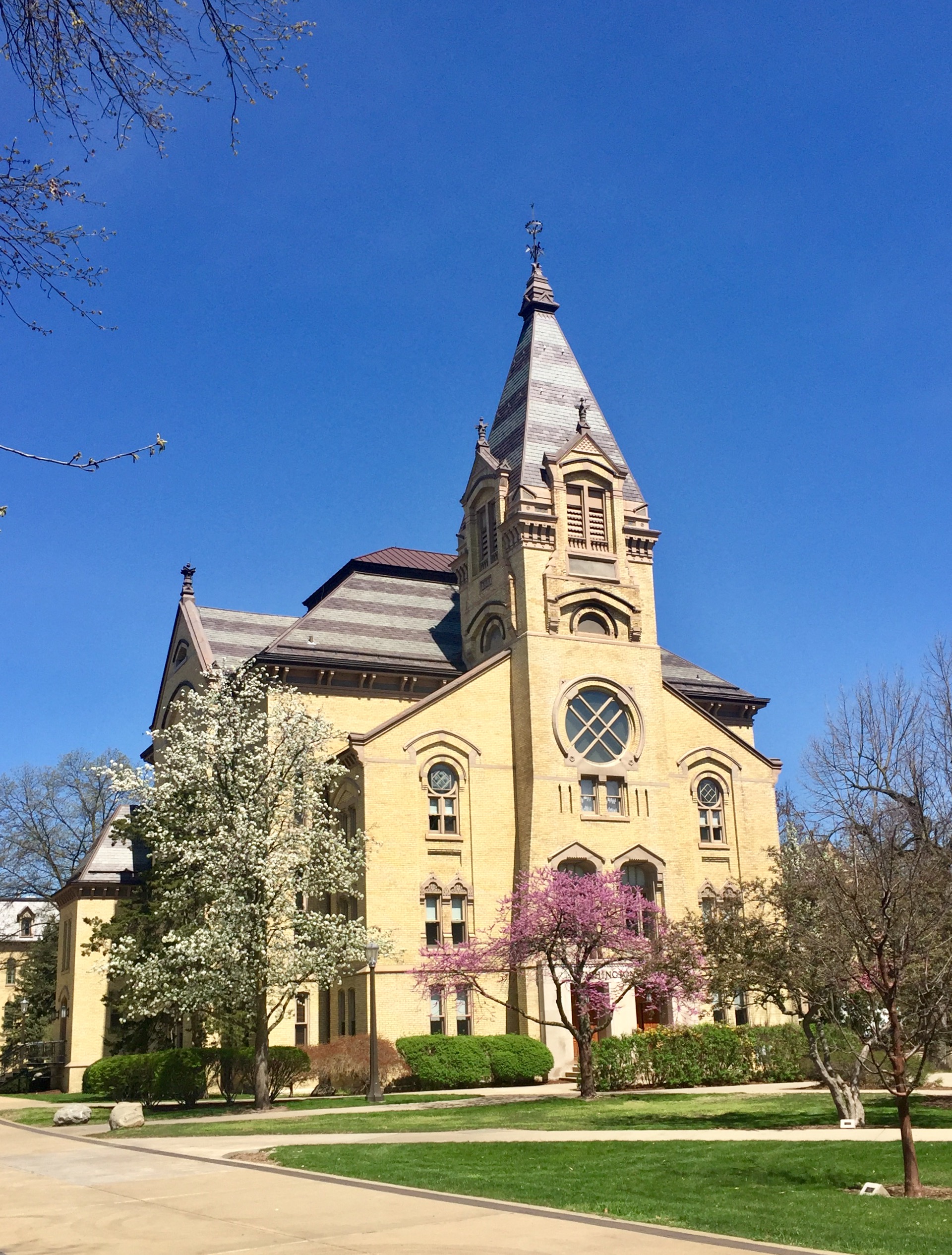
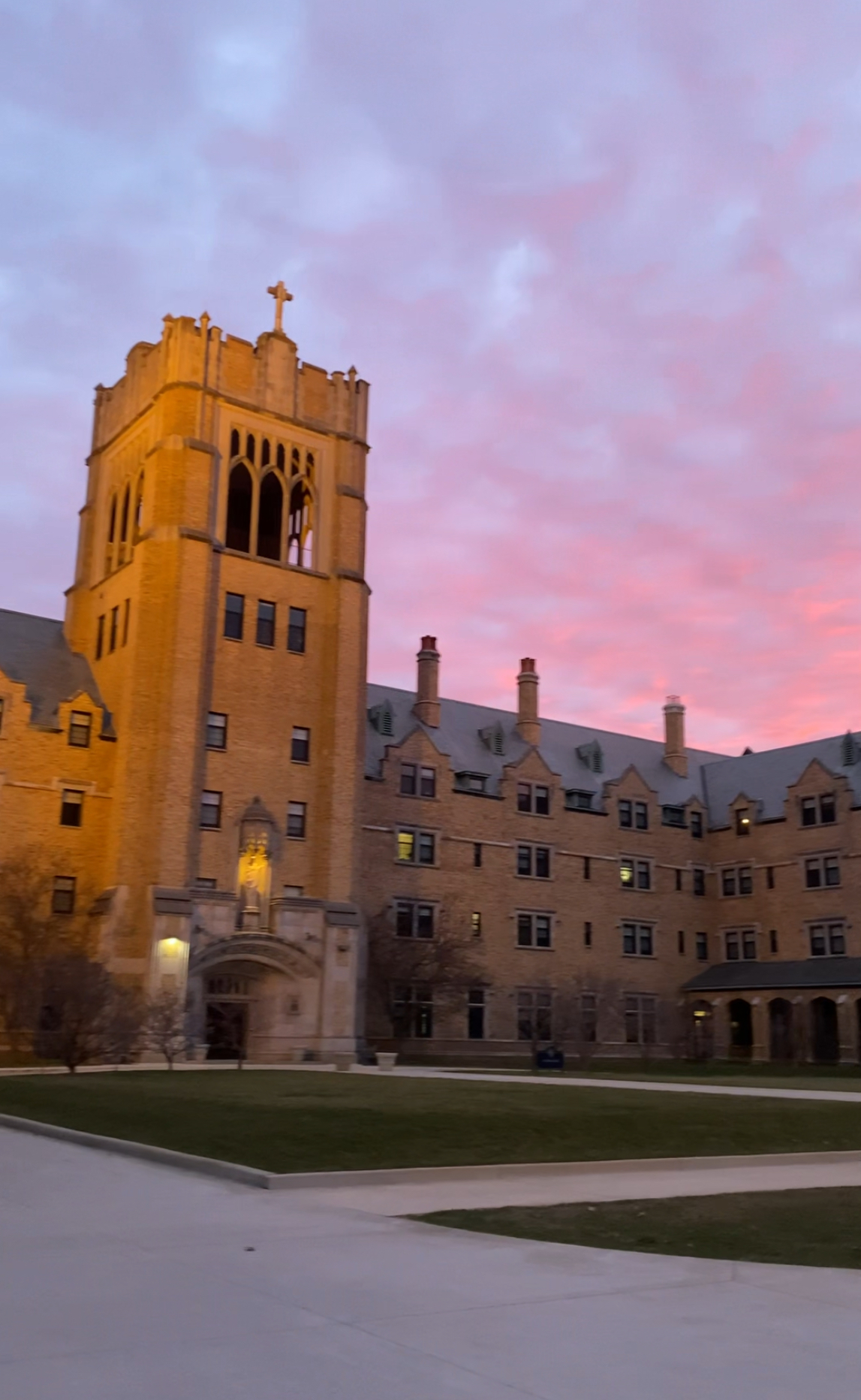
The main academic building at Saint Mary's College, built in 1925 in a French Renaissance style. The Sisters of the Holy Cross have operated the women's college since 1844.
The Ghost Story
Le Mans Hall is the iconic central building of Saint Mary's College in Notre Dame, Indiana, its bell tower rising above campus as the school's most recognizable landmark. Built in the late 1800s, the hall has served as a residence for generations of students at the Catholic women's college, with the tower, chapel, and winding corridors creating an atmosphere steeped in over a century of history. The building's age and its institutional past have given rise to what many consider one of the most haunted locations in Indiana, with stories passed down through decades of students and documented in the 2002 book Quiet Hours by Saint Mary's alumnae Shelly Houser, Veronica Kessenich, and Kristen Matha, who interviewed hundreds of staff, faculty, and local residents about paranormal experiences on campus.
The bell tower is the epicenter of the haunting legends. According to campus lore, two people died by suicide in the tower, and students who look up at the structure late at night report seeing the shape of a hanging body silhouetted against the darkness. Lisa Schmidt-Goessling, the residential director for Le Mans Hall beginning in 2004, reported hearing unexplained footsteps in the tower directly above her living quarters during her first months in the building. She called campus security multiple times to investigate, but no physical source for the sounds was ever found.
The second floor area known as Queen's Court, located beneath the chapel, harbors its own resident spirit. A poltergeist named Mary, said to be the ghost of a student who died by suicide in room 274, has been reported by multiple generations of students living in that section. During a Heritage Week ghost story session, one student shared her experience in the room, and another immediately confirmed she had experienced the same phenomena the previous year. A third confirmation came years later from a recent graduate. Freshman Julie Galvin, who lived in the room believed to be Mary's, described seeing an apparition around two in the morning: a profile of a woman with a greenish tint that appeared at the corner of her eye before vanishing. An alumna in her eighties once visited the room and told the current residents that it had been her roommate who died there.
Beyond the named ghosts, Le Mans Hall is rife with unexplained phenomena. Resident assistant Anastasia Hite described closing all three stall doors in a bathroom only to find them standing wide open again moments later when she emerged. Students have reported toilets flushing by themselves, old telephones ringing despite being unplugged, and locked doors swinging open without being touched. Building services staff once discovered a child's handprint on a window that could not be explained, and security personnel have reported feeling sudden cold chills in rooms that had no air conditioning. One RA witnessed a man run past her and straight through a solid wall. A baby reportedly died in Le Mans Hall during the 1970s, and a student's body was found in her room in 1990, adding to the layers of tragedy that may fuel the building's restless energy. A calming presence attributed to the spirit of a nun has also been sensed near the chapel.
Maintenance supervisor Hambling has offered that many of the sounds can be attributed to the building's aging pipes, heating systems, and heavy steel doors. But the consistency of reports across decades, from students in the early 2000s telling ghost stories in the bell tower to RAs in 2019 describing furniture that moves on its own at three in the morning, suggests something beyond the ordinary infrastructure of a century-old building.
Researched from 7 verified sources including historical records, local archives, and paranormal research organizations. Learn about our research process.