About This Location
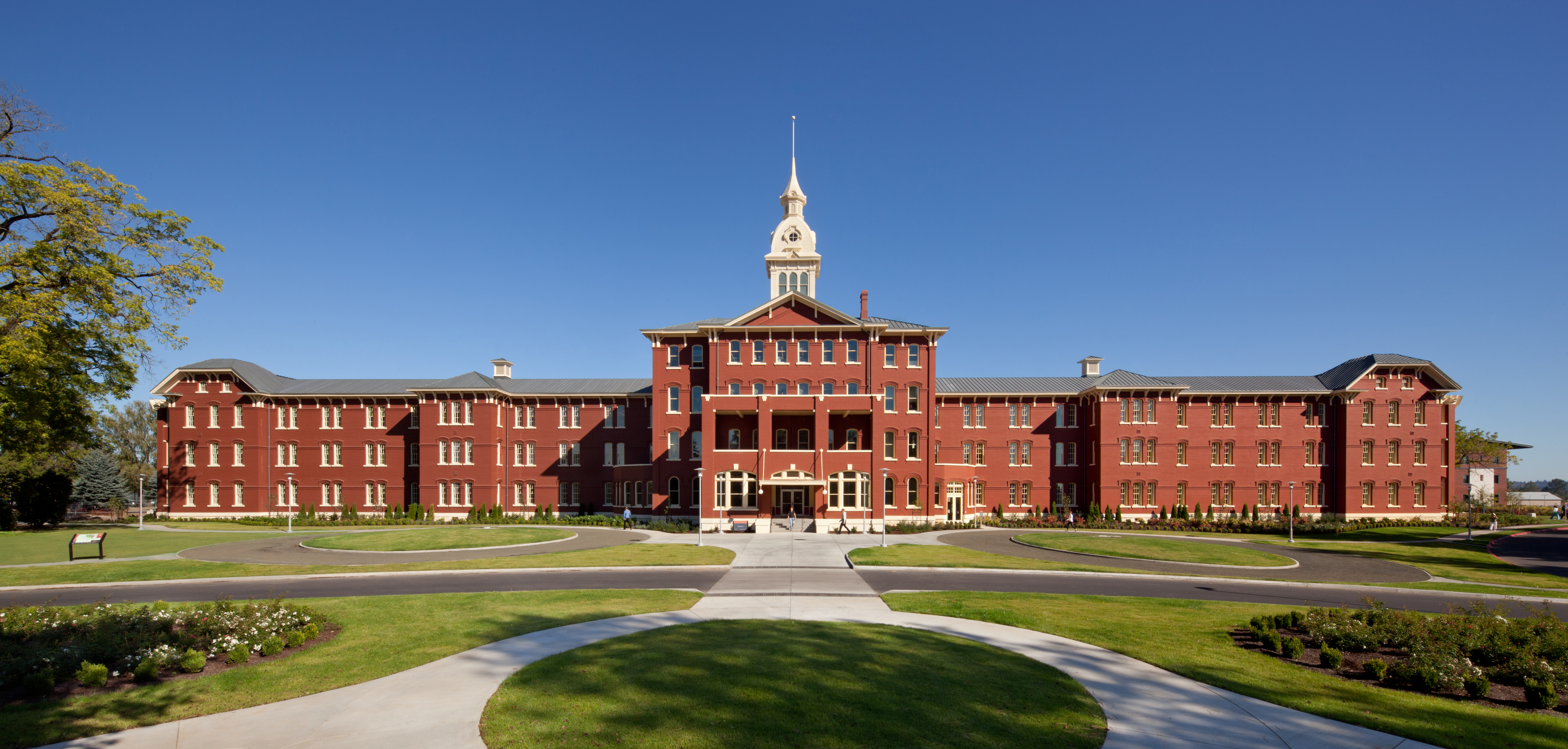
Oregon's oldest psychiatric facility, opened in 1883 as the Oregon State Insane Asylum. Filming location for the Academy Award-winning One Flew Over the Cuckoo's Nest. Now houses the Museum of Mental Health.
The Ghost Story
The Oregon State Hospital opened in Salem in 1883 as the Oregon State Insane Asylum, a sprawling brick institution built to care for the mentally ill in a state that was still largely frontier. It quickly became overcrowded, and approximately two-thirds of the population was found to be both mentally ill and convicted of crimes. The hospital became infamous for the conditions endured by its patients, who were subjected to treatments that would later be recognized as cruel: lobotomies, hydrotherapy, electroshock, and prolonged isolation. The underground tunnels connecting the hospital's buildings allegedly concealed some of the worst abuses, with stories of patients being transported through the passages to keep procedures out of public view.
The darkest single event in the hospital's history occurred on the morning of November 18, 1942, when forty-seven patients were killed and over 263 were sickened after being served scrambled eggs contaminated with sodium fluoride, a chemical used as an insecticide. An assistant cook had sent a patient named George Nosen to retrieve powdered milk from a storeroom, but Nosen mistakenly entered an adjacent storeroom located just eleven feet away and returned with roach poison instead. Both storerooms opened with the same key, a violation of safety protocols that had been on the books since 1908. Patients began vomiting blood, suffering seizures, and experiencing paralysis and severe abdominal cramping. A nurse named Allie Wassel tasted the eggs, noticed they were soapy and salty, and prevented her entire ward from eating them, saving numerous lives. The poison was identified through autopsies and animal testing within hours, but by then the damage was done. Newspapers reported that over 400 patients may have been affected.
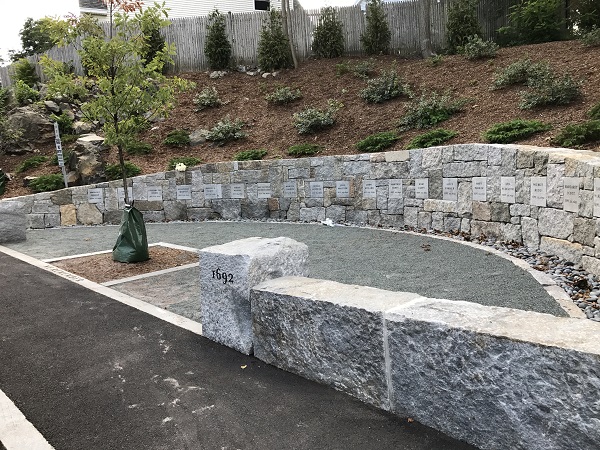
Adding to the hospital's grim legacy was the discovery that staff had lost track of over 1,500 copper cans containing the cremated remains of patients who had died at the facility and were never claimed by family. The cans were eventually found stored in a forgotten vault, rows upon rows of the unclaimed dead, their identities preserved only by the labels on their containers. A memorial was eventually established for these forgotten patients.
The hospital gained worldwide recognition in 1975 when it served as the filming location for Milos Forman's One Flew Over the Cuckoo's Nest, starring Jack Nicholson. The film's depiction of institutional cruelty, based on Ken Kesey's 1962 novel, drew directly from the culture of the facility where it was shot. Part of the hospital now operates as the Museum of Mental Health, documenting the evolution of psychiatric treatment from the 1880s to the present.
The paranormal activity at Oregon State Hospital is extensive and concentrated in specific areas. Room 327 has developed a particularly notorious reputation, with visitors and staff reporting intense activity in and around it. Throughout the hospital, visitors feel as though they are being watched. Phantom footsteps echo through corridors where no one is walking. Doors open and close on their own. The sounds of screaming and crying drift through the building, attributed to the residual suffering of the thousands of patients who lived and died within its walls. The underground tunnels, which have been explored by paranormal investigators, generate an overwhelming sense of dread and what investigators describe as a palpable evil, a heaviness in the air that presses down on anyone who enters.
The Oregon State Hospital remains Oregon's sole psychiatric hospital and continues to treat patients today. The juxtaposition of an active medical facility and a building saturated with more than a century of documented suffering makes it one of the most psychologically intense haunted locations in the Pacific Northwest.
Researched from 2 verified sources including historical records, local archives, and paranormal research organizations. Learn about our research process.