About This Location
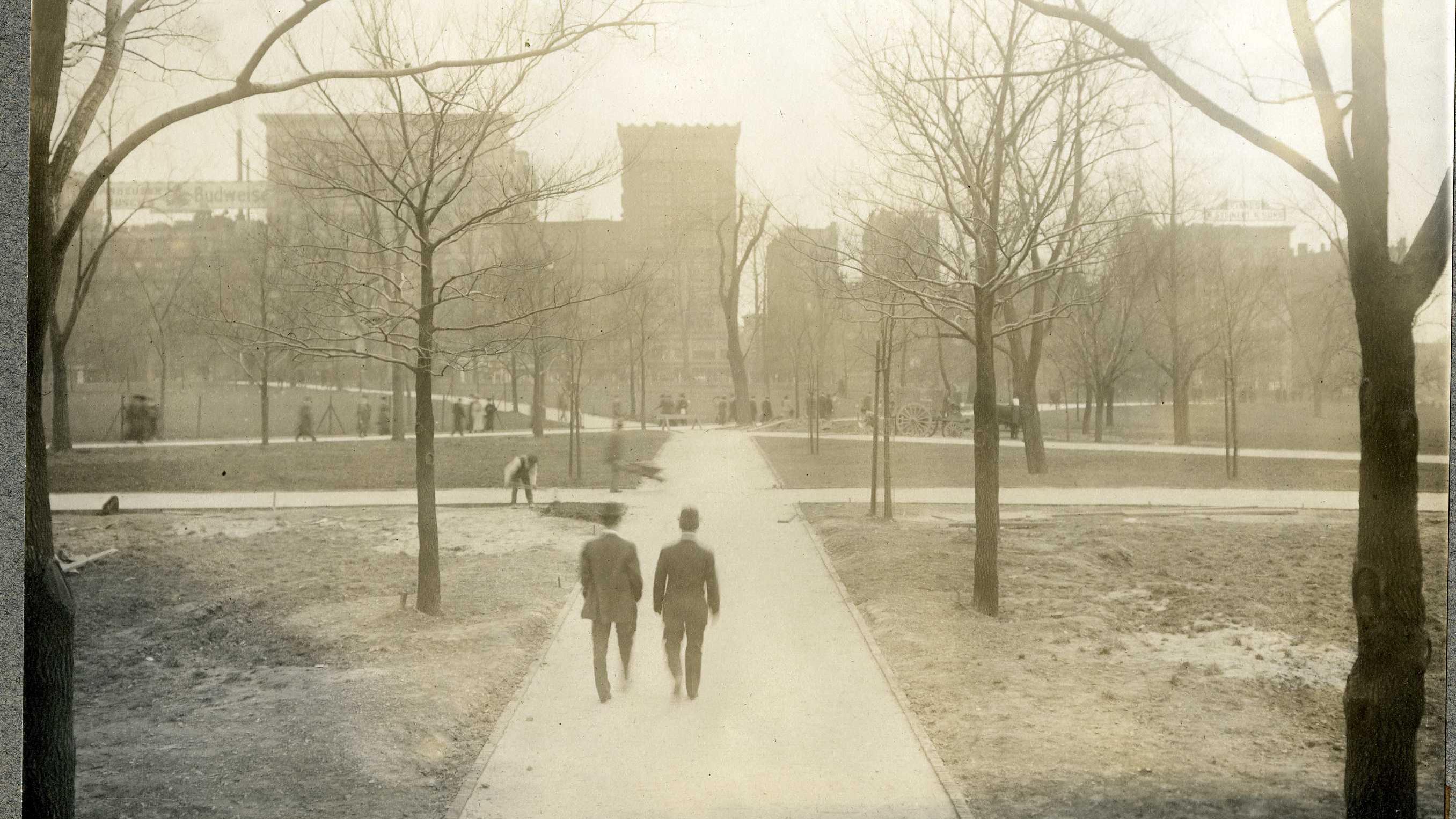
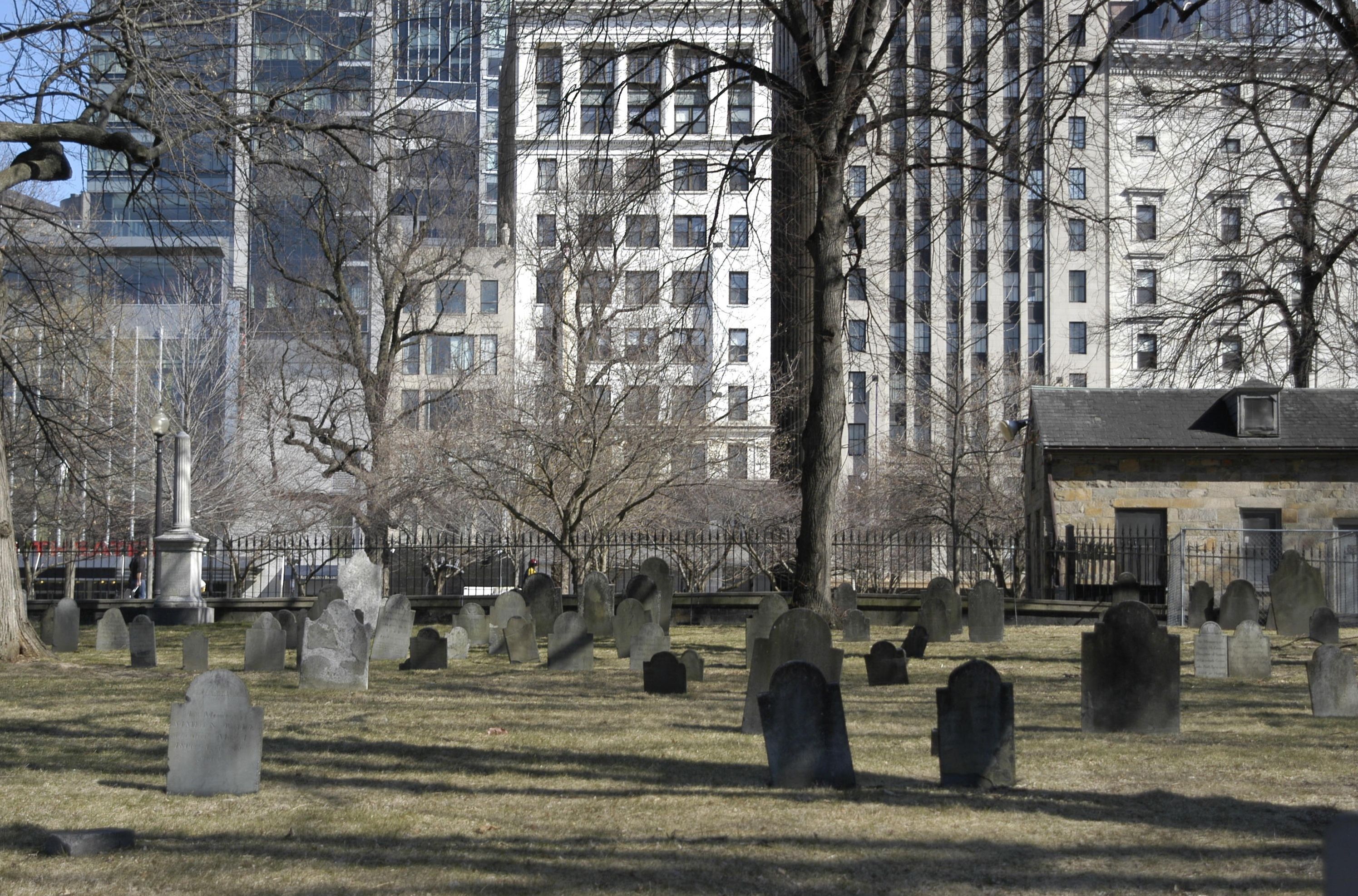
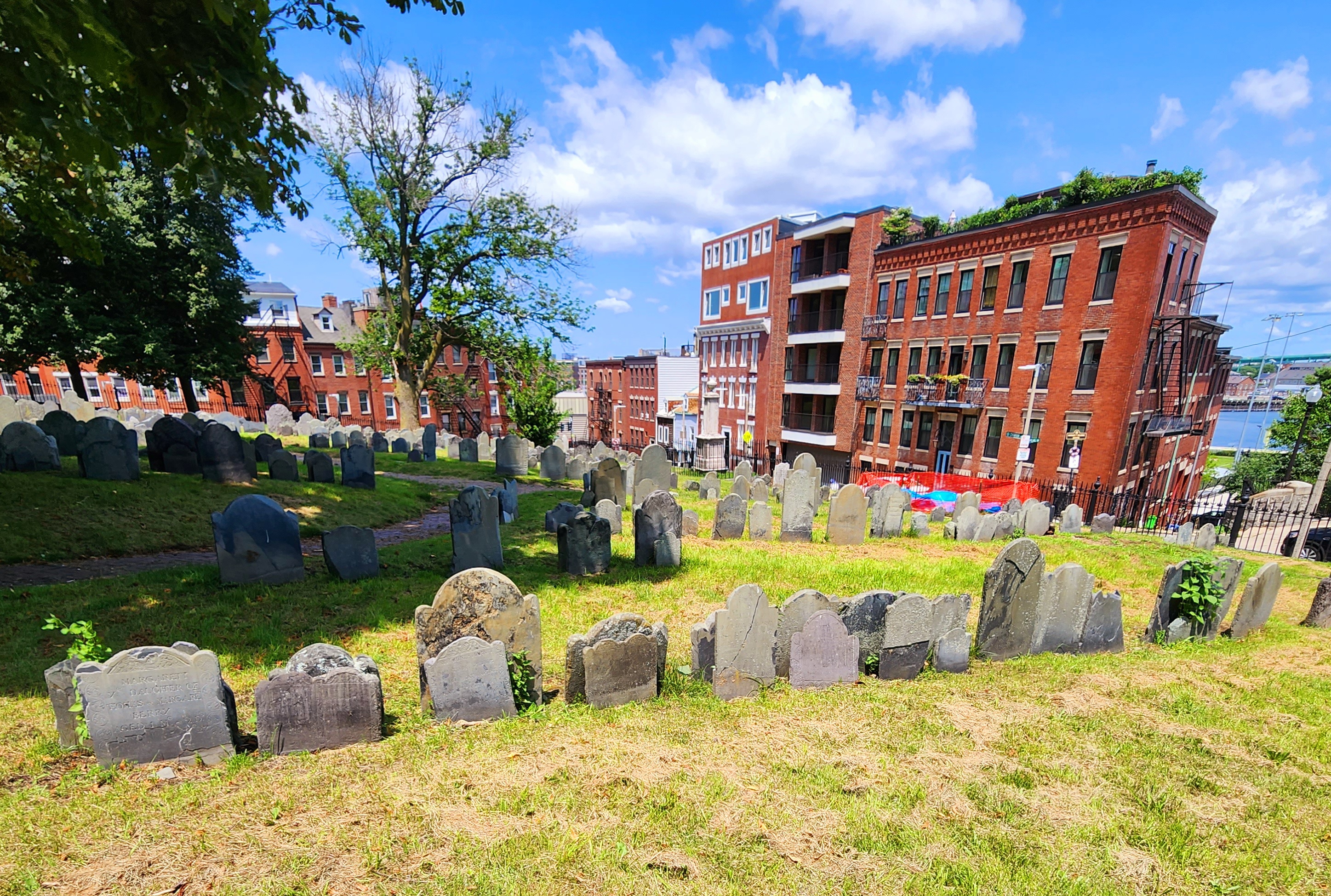
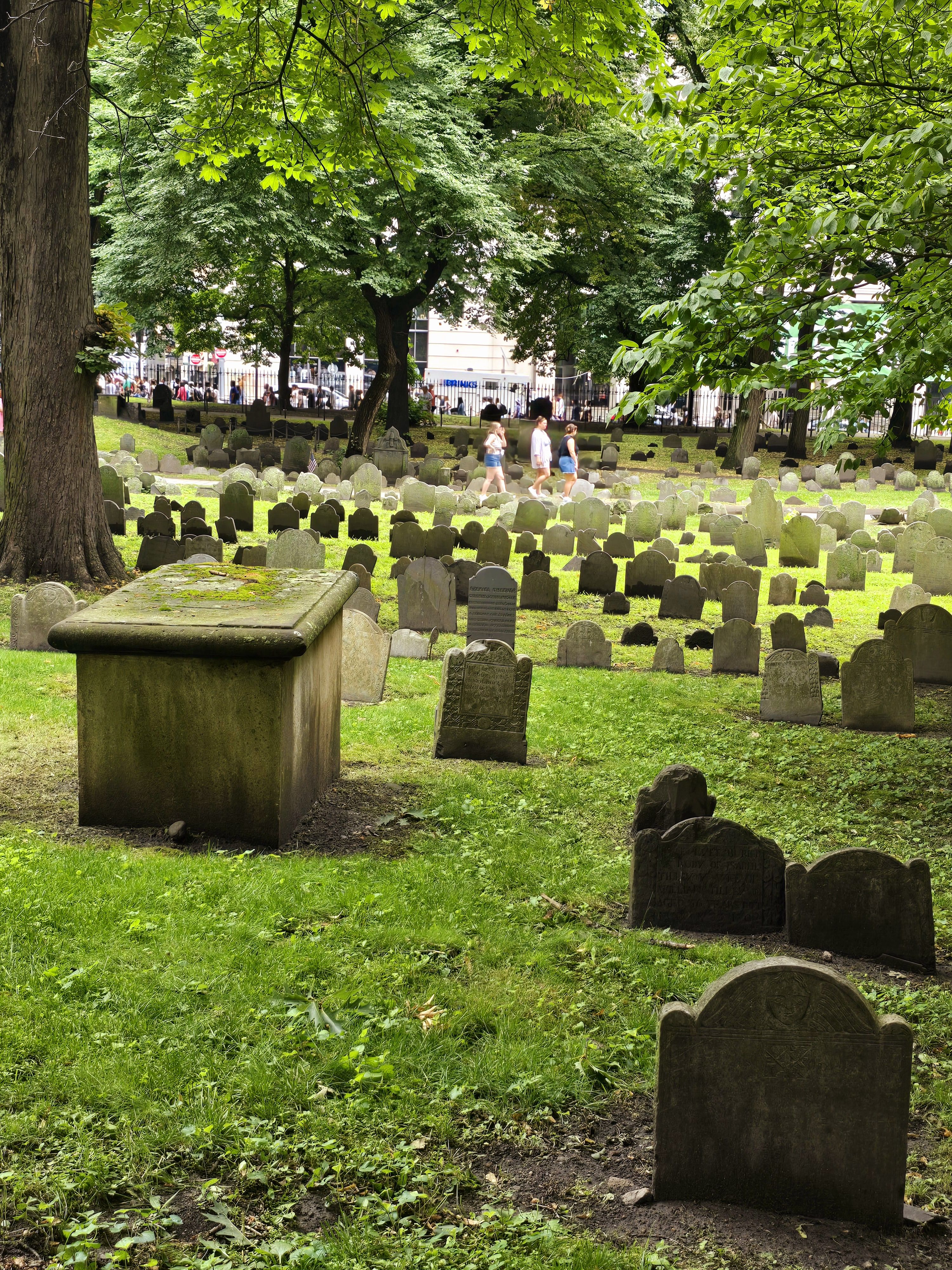
Founded in 1660, this is the final resting place of Revolutionary War heroes Samuel Adams, John Hancock, Paul Revere, and victims of the Boston Massacre. Over 5,000 bodies are interred here, but only 2,300 tombstones remain.
The Ghost Story
They call it the "Westminster Abbey of Boston"—but unlike its London counterpart, the dead here don't always rest quietly. Established in 1660 when town officials carved burial space from Boston Common to relieve overcrowding at King's Chapel, the Granary Burying Ground holds the remains of American history's most celebrated patriots. It also holds their ghosts.
The numbers tell only part of the story. While 2,345 weathered slate headstones dot the grounds, historians estimate more than 5,000 bodies lie beneath the soil—thousands in unmarked graves, their names and stories lost to time. When a hidden brick crypt measuring 8-by-12 feet was discovered in 2009, believed to contain Boston Mayor Jonathan Armitage, it raised unsettling questions about what else remains buried beneath three centuries of accumulated earth.
The roll call of the famous dead reads like a Revolutionary War honor roll. Three signers of the Declaration of Independence rest here: Samuel Adams, John Hancock, and Robert Treat Paine. Paul Revere lies beneath two headstones—the original simple slate marker joined by a larger monument erected in the 19th century after his midnight ride became legend. A 25-foot obelisk marks the tomb of Benjamin Franklin's parents. Peter Faneuil, whose name graces Boston's famous hall, slumbers nearby.
But it's the five victims of the Boston Massacre who imbue this ground with its deepest tragedy. On March 5, 1770, British soldiers opened fire on a crowd of colonists, killing Crispus Attucks, Samuel Gray, James Caldwell, Samuel Maverick, and Patrick Carr. Their bodies were interred here by order of the Town of Boston, joined by 12-year-old Christopher Snider, shot dead by a customs official two weeks earlier—"the innocent first martyr" of the American Revolution.
And then there is Judge Samuel Sewall, the Salem Witch Trial magistrate who sent nineteen innocent people to their deaths. Late in life, Sewall publicly confessed his guilt and spent years seeking forgiveness. Visitors report seeing him pacing near his grave at night, apparently still tormented by the innocent blood on his hands.
The paranormal activity at Granary has been documented for generations. Over one million visitors walk these paths each year—making it the most visited historic burying ground in the Northeast—and many leave with stories they struggle to explain.
The most famous ghost is James Otis Jr., a Harvard-educated lawyer and patriot who suffered a devastating head injury when a Loyalist named John Robinson smashed a bottle over his skull during a coffeehouse brawl in 1769. The injury left Otis prone to erratic behavior and deep depression. According to legend, he wrote a letter to God begging to be struck by lightning so his suffering would end. On May 23, 1783, as if by divine answer, a bolt of lightning struck him while he stood in a doorway in Andover. He died instantly.
Ghost hunters and visitors alike report seeing Otis in Colonial-era clothing, wandering the cemetery paths both day and night. Paranormal investigators note that EMF meters spike most dramatically near his resting place, and EVP recordings have captured unexplained voices in his vicinity. He appears to be a restless spirit, still seeking the peace that eluded him in life.
Otis is far from alone. A woman in a flowing white dress has been seen gliding between headstones on misty evenings, believed to be searching for a lost child. She vanishes when approached. The spirit of Paul Revere himself has allegedly been spotted astride his horse—forever riding through the cemetery where his body rests.
Visitors describe orbs and floating lights drifting among the graves, shadow figures moving between headstones at the edge of vision, and full-body apparitions that materialize and fade. Photographers frequently capture unexplained glowing auras in their images. Many report being suddenly overtaken by foreboding feelings, sensing they're being watched by unseen eyes. Some feel a profound, inexplicable sadness while walking among the graves—as if absorbing centuries of accumulated grief.
The oldest tombstone belongs to John Wakefield, dated 1667. The oldest inscription on a horizontal marker commemorates Hannah Allen, dead at 21 that same year. Interments ceased in 1880, but the ghosts of Granary suggest that closure came only for the living. For the 5,000 souls beneath this sacred ground—patriots and massacre victims, judges tormented by guilt and men who prayed for lightning—the Granary Burying Ground remains what it has always been: an open door between worlds.
Researched from 8 verified sources including historical records, local archives, and paranormal research organizations. Learn about our research process.