
About This Location
Officially known as Quaker Cemetery, this small burial ground earned its nickname from the wrought-iron gates featuring a spider web design. Urban legends claim it's a gathering place for witches and a portal to hell.
The Ghost Story
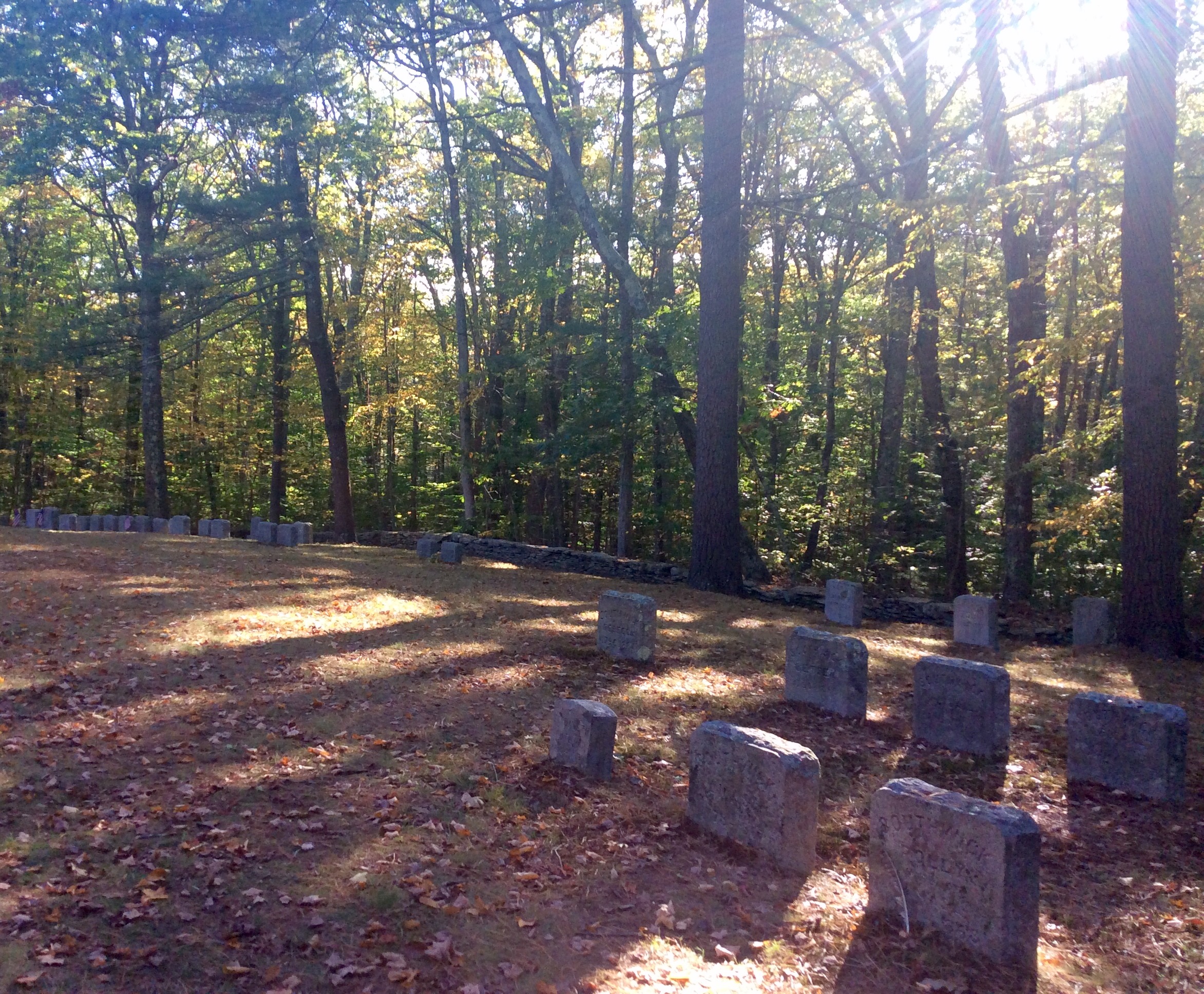
Spider Gates Cemetery -- officially known as Friends Cemetery -- is a small, secluded Quaker burial ground tucked into the woodland surrounding the Kettle Brook Reservoir in Leicester, Massachusetts. Among the first Quakers to settle in Leicester were the Ralph Earle family, who arrived around 1717, and the John Potter family, whose patriarch became the cemetery's first burial in 1740. A small meetinghouse was built on the property the following year, and for over a century the Worcester Friends Meeting used both the cemetery and its modest meeting house for worship and burial. The cemetery's signature wrought-iron gates -- the feature that gave the burial ground its sinister nickname -- were installed in 1895. Though the design was intended as an Art Deco depiction of sun rays, the pattern was widely interpreted as resembling a spider's web, and the name "Spider Gates" stuck. The gates became so iconic that they were stolen multiple times and ultimately removed in 2022 after repeated episodes of graffiti and vandalism; they are now held by the Leicester Historical Society.
The most persistent legend surrounding Spider Gates holds that the cemetery is the eighth gate to hell. According to the tradition, seven other portals are scattered throughout the region, and only by passing through all eight in sequence can the final gateway be opened. Others say the cemetery itself contains seven hidden entrances that must be traversed before reaching the eighth. No one has ever documented the location of the other seven gates, and the legend has no traceable origin, yet it has proven remarkably durable, drawing thrill-seekers and paranormal enthusiasts for decades.
A second legend centers on a large oak tree just inside the cemetery entrance, where according to local lore a boy died by hanging -- some accounts say in 1943 -- and visitors have long claimed to see a length of rope still dangling from its branches. However, visitors who have checked the tree found no such rope, and a revealing account from a commenter named Robert Pitchman suggests that Father Tinsley from the nearby Nazareth Home deliberately invented the hanging tree story to frighten children and keep them away from the cemetery. Whether the story has any basis in fact remains unresolved.
The most enduring ritual associated with Spider Gates involves the headstone of Marmaduke Earle. According to legend, if you visit his grave at midnight, walk around the tombstone ten times while announcing "Marmaduke, speak to me," and then press your ear against the stone, you can hear his voice. The ground around Earle's headstone has been worn bare from the footsteps of those who have attempted the ritual, and visitors regularly leave coins on nearby graves -- a practice some connect to the legend that Kettle Brook, which runs behind the cemetery, is the actual River Styx, and the coins serve as payment for the ferryman.
Where the Quaker meetinghouse once stood, a barren clearing remains with stone pillars marking the four corners of the old foundation. Local accounts have dubbed this area "the altar," and stories circulate that satanic rites have been performed there, though no evidence supports such claims. Paranormal visitors report a range of phenomena: bizarre white ooze emerging from the earth, unexplained runes carved into nearby stones, strange sounds resembling a woman's voice drifting from the brook, unexplained lights moving between the headstones, and an overwhelming atmosphere of dread. One visitor wrote on a travel forum about being chased by something unseen: "something chased us out...when we run it run faster at us...right when you across the water on the way out, the sound stop."
Despite its fearsome reputation, Spider Gates is a small, well-tended cemetery containing some genuinely notable burials: Leicester architect Stephen Earle, who designed the Leicester Public Library, Bancroft Tower, and Boynton Hall at nearby Worcester Polytechnic Institute; Pliny Earle, who created the first working carding machine in America; and Dr. Pliny Earle Jr., who financed the cemetery's restoration in the late nineteenth century. The Worcester Friends Meeting continues to maintain the grounds today, and entry is permitted only during daylight hours. Paranormal investigations are officially prohibited on the property.
Researched from 7 verified sources including historical records, local archives, and paranormal research organizations. Learn about our research process.