About This Location
A 1762 colonial house that once served as an orphanage in Portsmouth, now a historic property with a dark past.
The Ghost Story
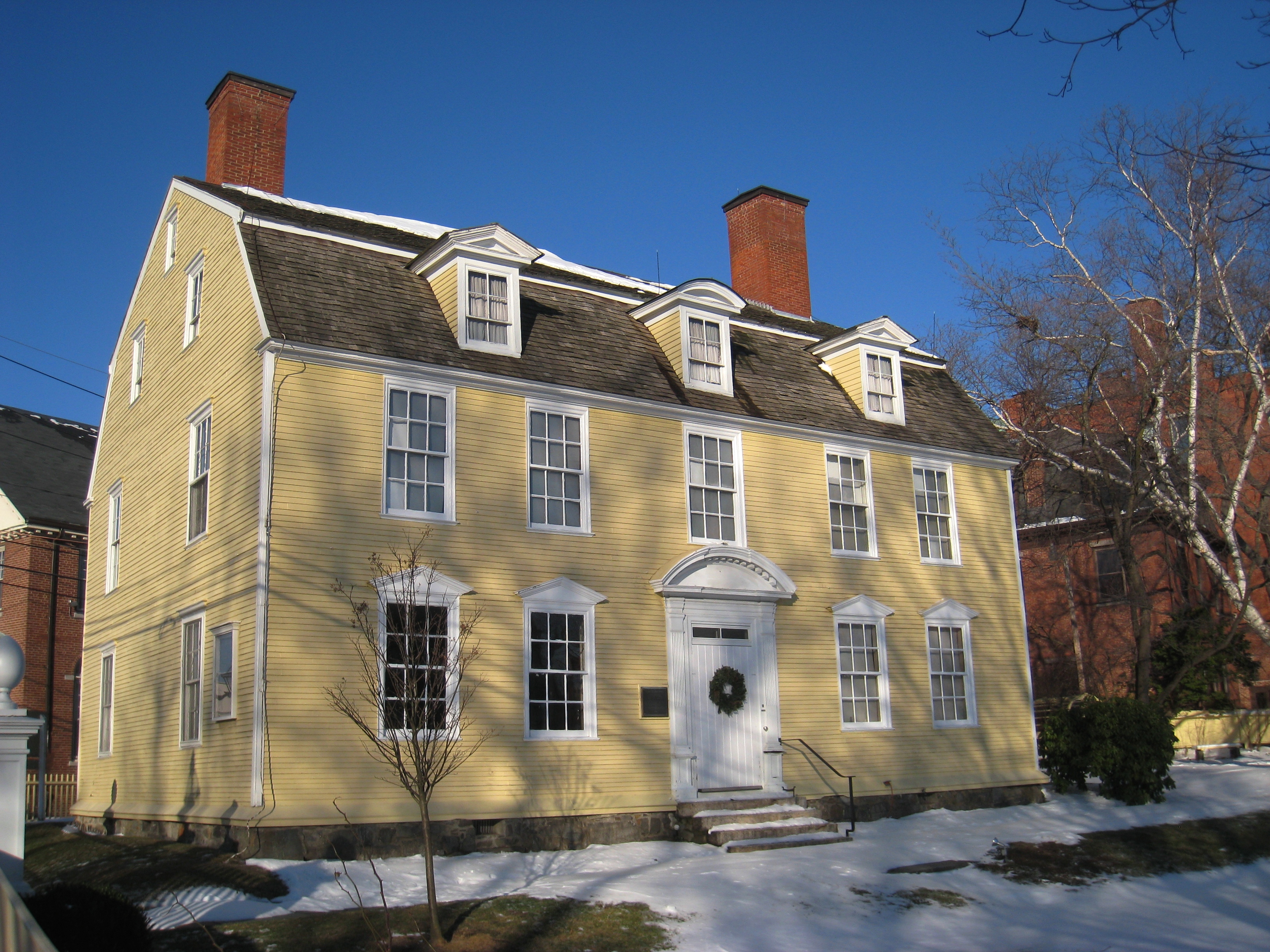
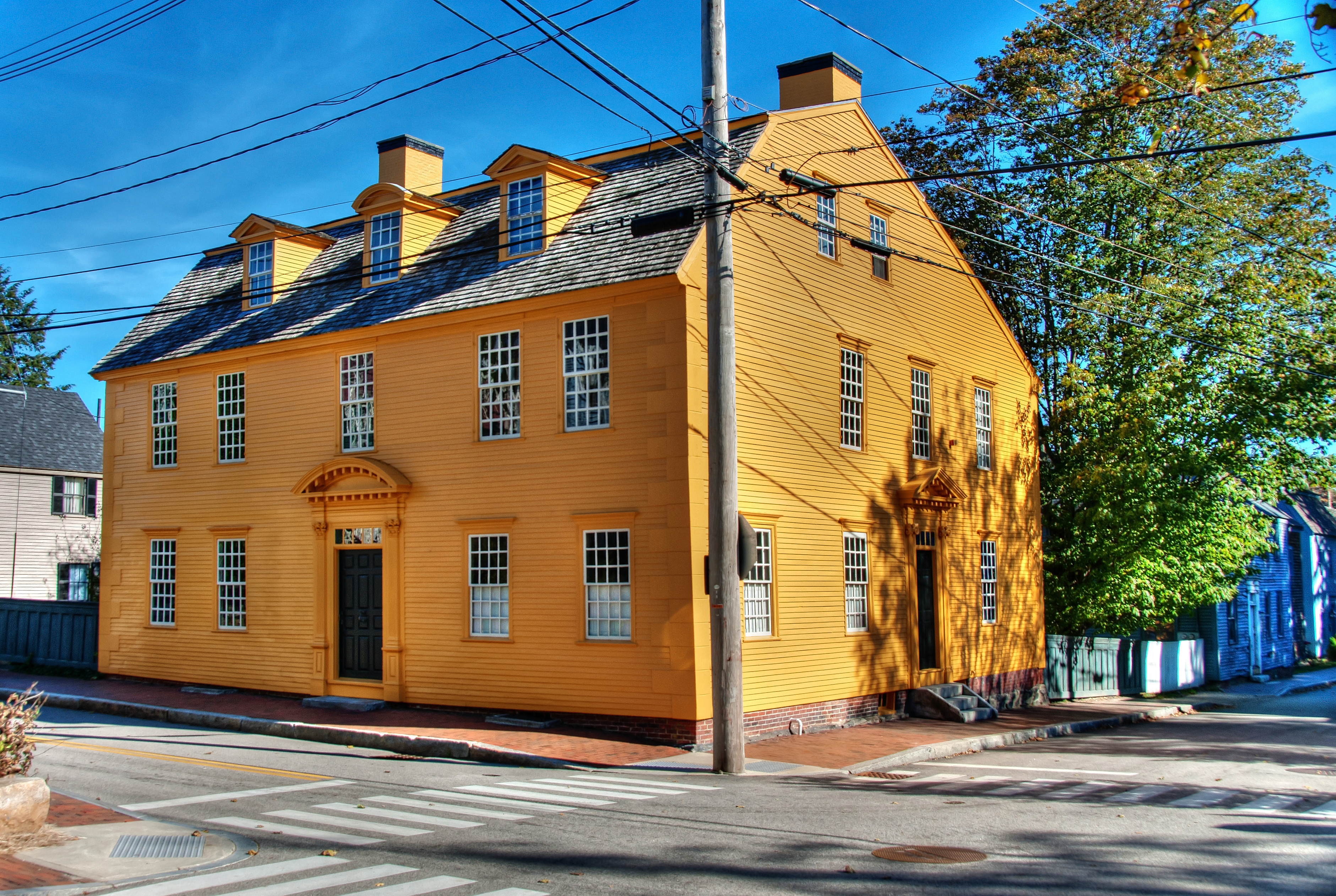
The Chase House stands at the corner of Court and Washington Street in Portsmouth, one of the grandest Georgian structures in the Strawbery Banke neighborhood, built in 1762 in what was then one of the wealthiest port cities in colonial America. The house was constructed by a man named John Underwood, who sold it to the Dearing family. The Chase family did not move into the home until 1779, when Stephen Chase, a Harvard-educated merchant, acquired it with his wife Mary, who was related to the prominent Pepperell family of Kittery, merchants deeply involved in the West India trade.
The Chase family occupied the house for over a century. When Stephen died in 1805, his widow and two sons, William and Theodore, continued living there. William's widow, Sarah Blunt Chase, was the last Chase to inhabit the house, dying in 1881. After her death, Theodore's son George B. Chase of New York donated the building to serve as a home for orphaned children under fourteen. The Chase Home for Children operated from 1882 until World War I, housing dozens of parentless children in the once-elegant rooms of the Georgian mansion.
It is the orphanage period that gives the Chase House its haunting. Nearly every paranormal directory that lists the property tells the same story: the ghost of a little girl who hanged herself in her room while living at the Chase Home for Children. The tale has been repeated in books, blogs, ghost tour scripts, and podcasts until it has taken on the weight of established fact. However, research by the New England Legends podcast and others has called this origin story into question. There is no documented record of a child hanging at the Chase Home. What the records do confirm is that at least two children died of diphtheria during the orphanage years, a tragically common occurrence in nineteenth-century institutions.
Whether the ghost is a diphtheria victim, a suicide whose death was quietly covered up by the institution, or a spirit whose origins have simply been lost to time, the haunting itself continues to be reported. Visitors and staff at the museum describe encountering the spirit of a young girl throughout the building. She appears most frequently on the upper floors, a small figure glimpsed at the end of hallways or peering from doorways before vanishing. Cold spots form suddenly in rooms that were warm moments before, and the sound of a child's footsteps echoes through the stairwells when no children are present.
In 1916, the Chase Home for Children moved to a new facility on twenty-six acres at 698 Middle Road in Portsmouth, where the organization still exists today serving at-risk youth. The original Chase House eventually became part of Strawbery Banke Museum, interpreted as a nineteenth-century merchant's home. But the little girl remains, her identity uncertain, her presence persistent, a reminder of the children who passed through these rooms during the decades when the grand merchant's house served as their only home.