About This Location
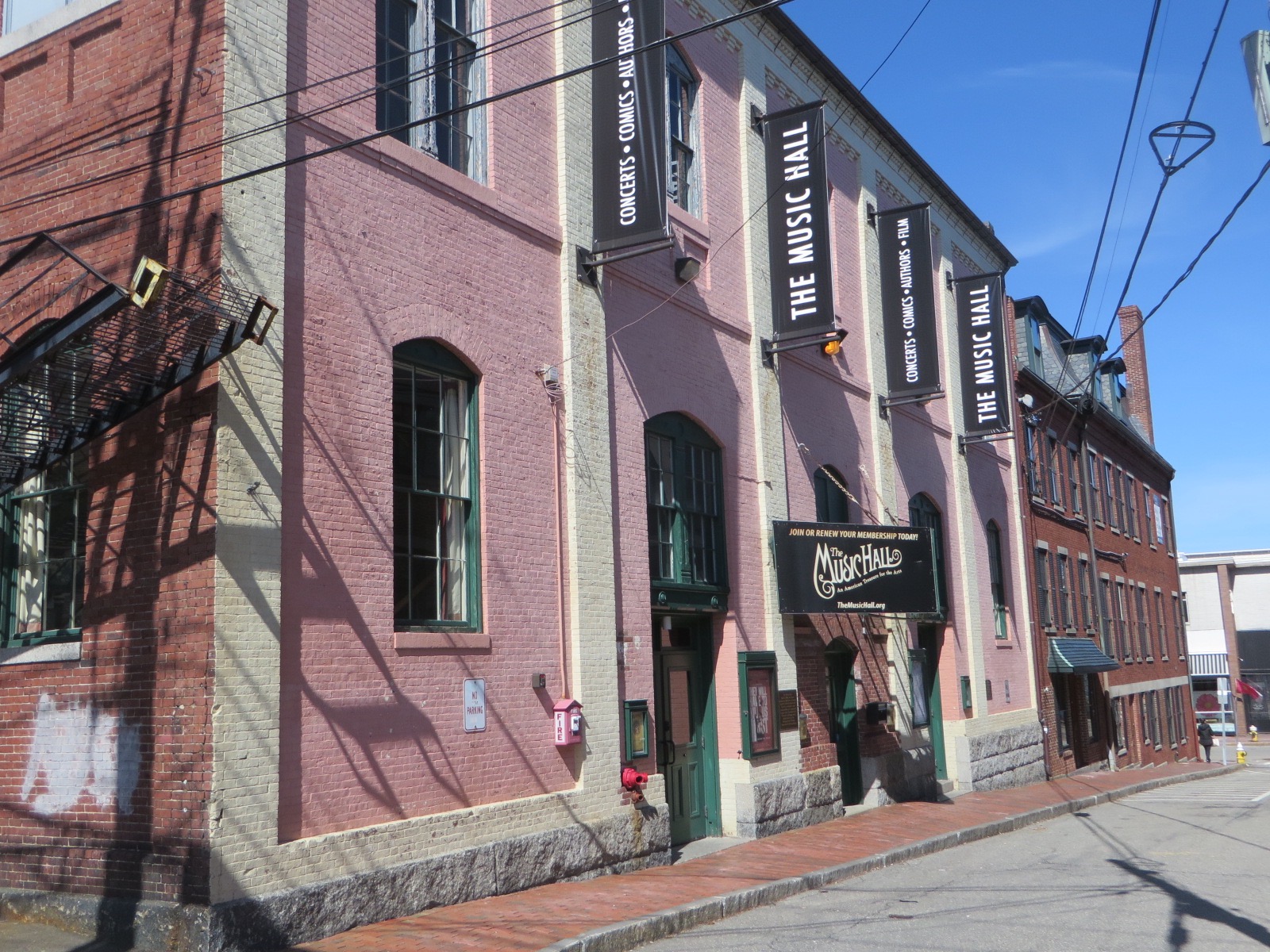
A historic 1878 theater built on the site of a former almshouse and prison, still operating as a premier performance venue.
The Ghost Story
The land beneath Portsmouth Music Hall at 28 Chestnut Street carries three centuries of concentrated human suffering. In 1716, an almshouse for the city's poor was erected on the site, intended to shelter the indigent but reportedly rife with neglect, disease, and abuse. In 1755, the building was converted into a jail, compounding the misery already absorbed into the ground. The jail burned in 1781, along with several neighboring structures, leaving the site scarred and empty.
A group of prominent Seacoast residents, including a banker, a railroad executive, a lawyer, a housewife, and a clergyman, all members of the influential Peirce family, joined together to rebuild Portsmouth's only entertainment venue, which had burned to the ground in 1876. The current Victorian structure opened with a sold-out celebration on January 30, 1878, followed by performances of two British farces, Caste and John Wopps, brought up from Boston. The Music Hall quickly became one of the premier performance venues in northern New England.
Over the following decades, the stage hosted some of the most famous entertainers of the era. Mark Twain delivered his sardonic lectures from the same boards where Harry Houdini performed his death-defying escape acts and Buffalo Bill Cody brought his Wild West spectacle to the Seacoast. Irving Berlin played the Music Hall, and countless traveling companies presented plays, operas, and vaudeville acts to packed houses.
The hall declined after 1920 when larger cinema theaters opened elsewhere in Portsmouth, and by 1986 it faced demolition. Preservationists saved it, and the restored theater now operates as a thriving cultural venue. But the spirits of its layered past refuse to step offstage.
According to multiple eyewitness accounts, an entity walks behind the closed stage curtains during performances, causing the heavy fabric to ripple and flutter visibly despite no one being present backstage. A woman seated in the audience reported seeing a full, solid apparition of a pleasant-looking man dressed in nineteenth-century clothing standing on the staircase. He appeared completely real until he simply ceased to be there. Patrons have also reported a shadowy mist forming onstage during performances that briefly obstructs their view of the actors before dissipating.
In the lobby and box office areas, staff hear unexplained shuffling sounds after hours, as though someone is pacing the empty corridors. A bearded figure makes his presence known when the lights dim and the performances begin, as if drawn to the artistic energy that fills the hall. The entities seem attracted to ongoing performances, appearing most frequently during shows and fading during the quiet periods between seasons. Whether they are echoes of the almshouse residents, the jail prisoners, or performers who loved the Music Hall so deeply they refused to leave, the spirits of 28 Chestnut Street continue to take their seats every night the curtain rises.