About This Location
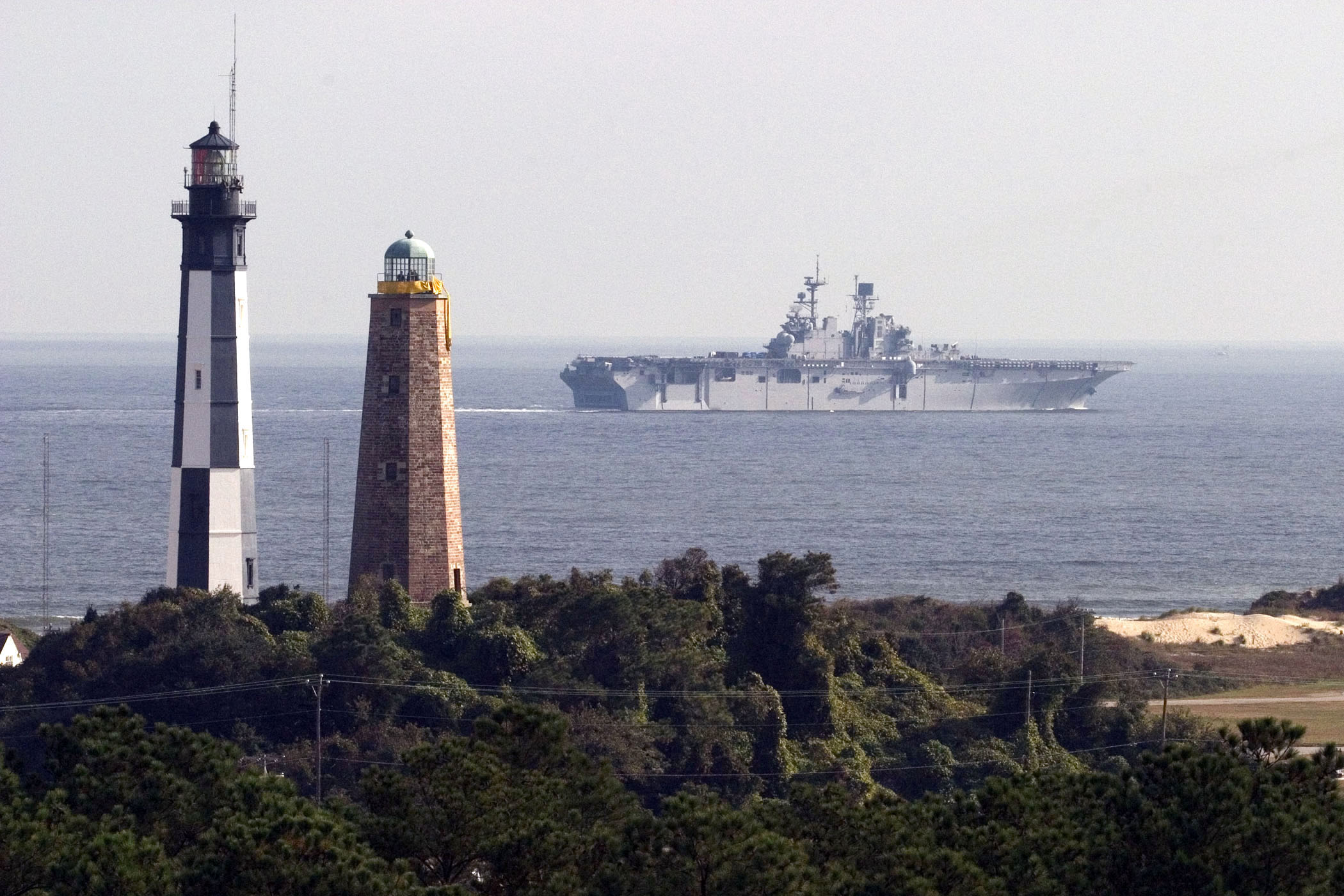
The first lighthouse authorized by the U.S. government, completed in 1792 under President Washington. It guided ships into the Chesapeake Bay for nearly 100 years before being replaced.
The Ghost Story
Standing sentinel at the mouth of the Chesapeake Bay since 1792, the Cape Henry Lighthouse holds the distinction of being the first federally funded public works project under the United States Constitution. Authorized by President George Washington and overseen by Treasury Secretary Alexander Hamilton, this 72-foot octagonal sandstone tower was built from Aquia stone—the same quarries that provided material for Mount Vernon, the U.S. Capitol, and the White House. Before its construction, 57 ships had wrecked off these treacherous shores, their crews lost to the unforgiving waters.
The lighthouse's first keeper, William Lewis, was a Virginia naval captain who had served loyally under Washington during the Revolutionary War. His appointment came as a reward for that service, but fate had other plans. Lewis died within a month of taking his post—some accounts claim he suffered a massive heart attack while traveling to assume his duties, never actually standing watch in the tower he was meant to tend. His successor, Lemuel Cornick, who had overseen the lighthouse's construction, abandoned the position within a year, and a string of keepers followed, as if the lonely post carried some dark omen.
Perhaps the most remarkable keeper was Willis Augustus Hodges, who in 1870 became Cape Henry's first African American lighthouse keeper. Born free in nearby Blackwater, Hodges had lived an extraordinary life—he published an anti-slavery newspaper with Frederick Douglass, lived next door to the abolitionist John Brown, conducted escaped slaves on the Underground Railroad, and served as a spy for the Union Army during the Civil War. Though his tenure lasted only two months, his spirit of defiance against oppression seems to linger at this historic beacon.
The lighthouse's haunted reputation draws from multiple sources of tragedy. Visitors have reported encountering a figure wearing an old uniform on the narrow spiral staircase—believed to be the ghost of one of the early keepers, forever climbing to tend a light that was extinguished long ago. Others speak of a sailor who perished in one of the many shipwrecks that occurred before the lighthouse was built, his spirit eternally drawn to the beacon that might have saved him.
Paranormal investigators who have visited the site report unexplained cold spots within the stone walls, even on warm summer days. One investigation documented an orb photographed above a visitor's shoulder as they descended the stairs, captured in broad daylight with tourists all around. Strange sounds echo through the tower—footsteps on iron stairs when no one is climbing, the creak of doors in windless air.
Perhaps most intriguing are the impressions connected to the Battle of the Capes, fought just offshore on September 5, 1781. This pivotal naval engagement between French Admiral de Grasse and the British fleet sealed the fate of General Cornwallis at Yorktown, effectively winning American independence. Sensitives visiting the lighthouse report visions of cannon fire, the screams of wounded sailors, and the presence of combatants still fighting a battle concluded over two centuries ago. One investigator claimed to feel certain they had heard from Admiral de Grasse himself, as if the spirits of that decisive day remain bound to these waters.
Today, visitors climbing the 191 narrow steps to the lantern room occasionally pause, feeling watched. The ladies at the gift shop may tell you there are no official ghost stories about the lighthouse, but those who listen closely to the wind whistling through the ancient stones hear something different—echoes of the keepers, the sailors, and the soldiers whose lives were forever intertwined with this lonely beacon at the edge of America.
Researched from 8 verified sources including historical records, local archives, and paranormal research organizations. Learn about our research process.