About This Location
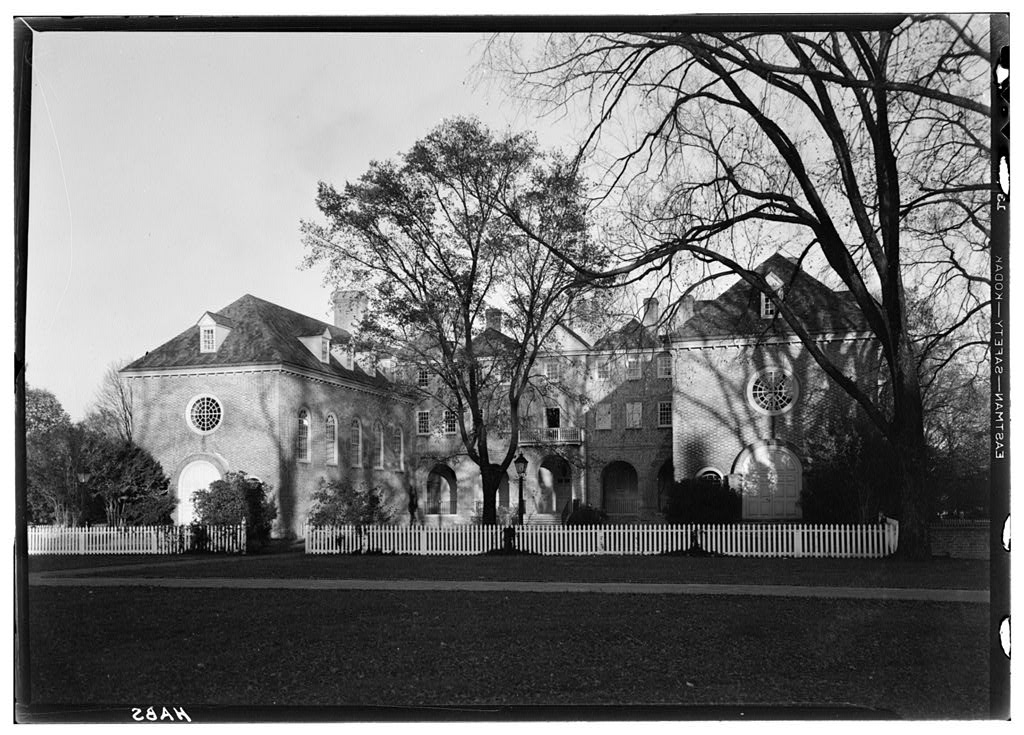
The second-oldest institution of higher learning in America, founded in 1693. The Wren Building is the oldest academic building still in continuous use in the United States.
The Ghost Story
The College of William & Mary, founded in 1693 under a royal charter from King William III and Queen Mary II, is the second-oldest institution of higher learning in America and one of its most haunted. For over three centuries, this Williamsburg campus has witnessed wars, fires, forced assimilation, and tragedies that have left an indelible supernatural imprint on its hallowed grounds.
The Sir Christopher Wren Building, completed in 1700 and the oldest academic building still in continuous use in America, stands as the epicenter of campus hauntings. The building has survived three devastating fires—an accidental blaze in 1705, a conflagration in 1859, and deliberate arson in 1862 when the Fifth Pennsylvania Cavalry set the building ablaze to flush out Confederate snipers. During both the Revolutionary and Civil Wars, the Wren served as a military hospital where countless wounded soldiers suffered and died without adequate medicine or painkillers.
Beneath the Wren's chapel lies a crypt constructed in 1729, containing the remains of some of Virginia's most prominent colonial figures: Sir John Randolph, Virginia's Attorney General; his son Peyton Randolph, twice president of the Continental Congress; Bishop James Madison; and Lord Botetourt, the beloved colonial governor. These tombs have been desecrated multiple times—first after the 1859 fire left the burials exposed to robbery, then again by Union soldiers in 1862 who documented stealing silver from Lord Botetourt's copper coffin.
Students and staff report classes interrupted by terrifying screams of agony, phantom footsteps throughout the building, and apparitions of soldiers in both Continental blue and Civil War gray wandering the halls. Some witnesses describe the ghosts as having "lost the discipline the army instilled in them," shambling slowly rather than marching in formation. The crypt's repeated disturbance may explain the pervasive feeling of unease within the building. Outside, the statue of Lord Botetourt—a bronze replica installed in 1993 after the original marble was mutilated by a Revolutionary-era student—serves as a good luck charm; students rub his foot before exams, leaving the bronze shiny from countless hopeful hands.
The Brafferton Building harbors perhaps the campus's most tragic haunting. Built in 1723 as the "Indian School," it housed Native American boys forcibly taken from their tribes and families to be "civilized" and converted to Christianity. Beginning in 1707, the first six students arrived as prisoners of war. Many died from disease or abuse; others from rival tribes fought among themselves. One young boy, desperate to escape, fashioned a makeshift rope and climbed from a second-floor window each night to run freely across the campus grounds, returning before dawn. One morning, faculty discovered his window open and rope hanging—his body was found in what is now the Sunken Garden, likely murdered by a student from a rival tribe.
To this day, his spirit is the most commonly witnessed ghost on campus. On foggy nights, visitors see a young Native American boy in a cloth skirt sprinting across the Sunken Garden—but elevated several feet in the air, running at the original ground level before the garden was excavated and lowered in 1935. Some nights, a thick fog confined to the garden reveals faint images of multiple figures walking above head height, accompanied by voices and the sound of beating drums.
Tucker Hall, the former campus library that became home to the English Department in 1980, hosts a more modern tragedy. According to legend, in the 1980s a female student overwhelmed by academic pressure asked her parents if she could come home; they insisted she finish her studies first. Unable to cope, she hanged herself on the third floor. Her ghost now haunts the building, particularly during finals, approaching students studying alone at night. She asks how their exams are going—if they answer positively, she flies into a rage, throwing books and materials across the room. If they say poorly, she reportedly tries to convince them to follow her path. During renovations from 2009 to 2013, students witnessed her apparition standing in the upper windows of the supposedly empty building. Darker versions of the legend claim subsequent suicides left notes reading, "She made me do it."
Phi Beta Kappa Memorial Hall, the performing arts complex rebuilt in 1957 after fire destroyed the original, is haunted by two spirits. Lucinda, a lead actress in a 1963 production of Our Town, died in a farm equipment accident before opening night. Her ghost is so active that wedding dress costumes are kept locked away from other props—and Our Town has never been performed at William & Mary since. Miss Hunt, founder of the theater department, demands the same respect in death as in life; students speak of her only by formal title, and she reportedly aids aspiring performers from beyond the grave.
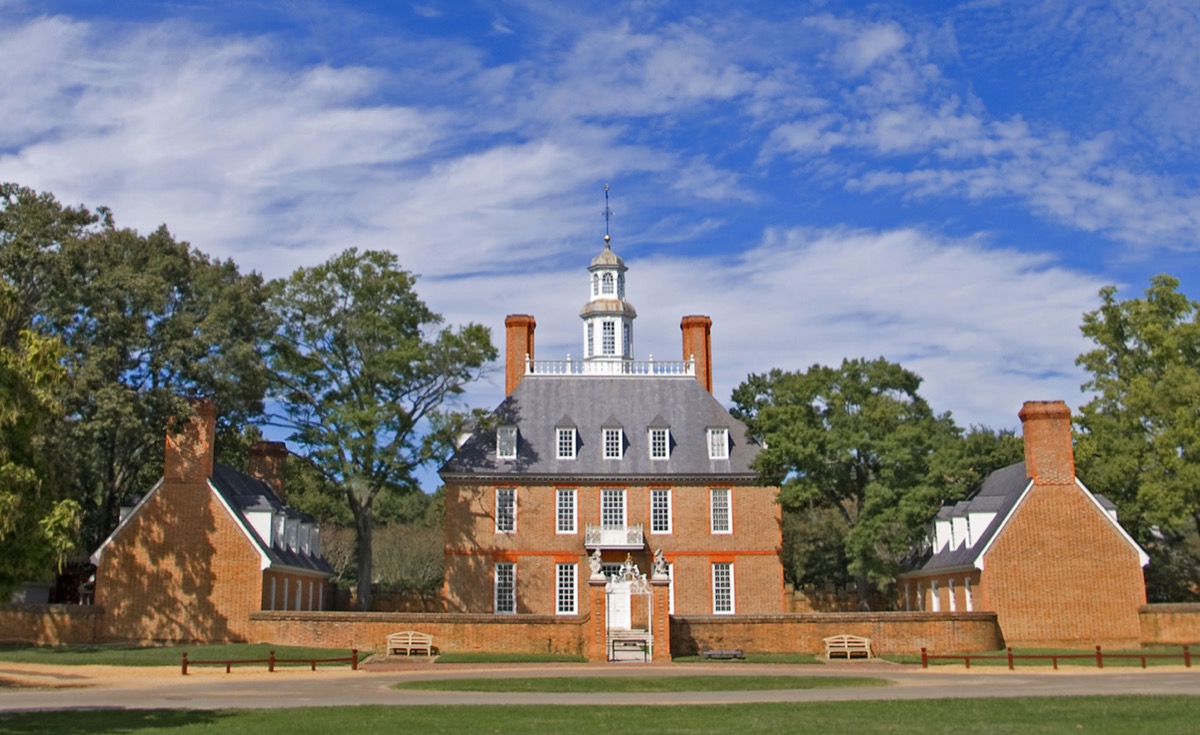
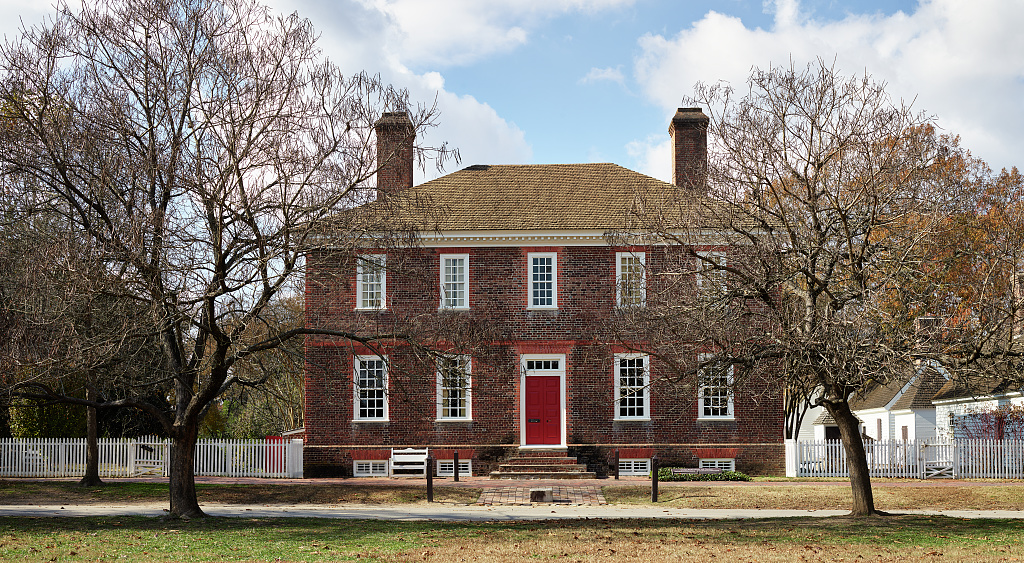
The President's House, constructed in 1732, served as headquarters for British General Cornwallis in 1781, as a French hospital that same year, and as a Union headquarters and field hospital after the 1862 Battle of Williamsburg. Residents report weeping women, apparitions, and a door that refused to stay shut despite repairs. When workers finally investigated, they discovered an unidentified set of bones bricked into the wall behind it. Once the remains were removed, the door finally closed.
In 2020, alumna Margot Baden created "Hauntings at William and Mary," an interactive map documenting over 36 paranormal experiences submitted by students and alumni—including ghostly hands knocking on Washington Hall windows, Ouija board communications on the Wren steps, and Tucker Hall bathroom stall handles rattling in empty facilities. Three centuries of history, tragedy, and trauma have made this colonial campus a living archive of the restless dead.
Researched from 14 verified sources including historical records, local archives, and paranormal research organizations. Learn about our research process.