About This Location
A historic inn built around an 1834 structure and opened in its current form in 1929. Named for General Andrew Lewis of Revolutionary War fame and the founder of Lewisburg. The inn features antique furnishings and a celebrated dining room.
The Ghost Story
The General Lewis Inn in Lewisburg first opened its doors in 1929, but the building at its core is far older. The east wing incorporates the Withrow home, which dates to approximately 1816, making the structure over two centuries old. The inn was named for General Andrew Lewis, a colonial military officer who led Virginia militia at the Battle of Point Pleasant in 1774 and for whom the town of Lewisburg was also named. The building's long history, layered construction, and position in one of West Virginia's most haunted towns have made it a destination for both history enthusiasts and ghost hunters.
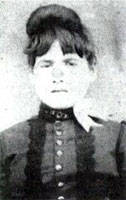
The inn harbors at least three identified spirits, each confined to specific areas of the building. The most well-known is the Lady in White, who haunts Room 208. Her identity has never been established, though a portrait of a woman believed to be her likeness hangs in the room -- a painting that predates the inn's establishment and may be connected to the Withrow family or an earlier occupant of the site. Guests who stay in Room 208 report waking to find a translucent woman in white standing near the window or at the foot of the bed, watching them with an expression that witnesses describe as sad rather than threatening.
The second ghost is a little girl whose presence is felt primarily in Rooms 206 and 208. Guests and staff have heard the unmistakable sounds of a child both crying and laughing, sometimes in the same room within minutes of each other. The laughter is described as playful, the sort of sound a child makes when hiding from someone in a game, while the crying carries a deeper distress. No child of the building's many occupants has been identified as the likely source, and the sounds occur regardless of whether children are staying at the inn.
The third and most troubling ghost is Reuben, identified as an enslaved man who was reportedly hanged in the area that is now the inn's dining room. The specifics of Reuben's story have been obscured by time, but the Greenbrier Valley's history of slavery is well documented, and the execution of enslaved people was a grim reality of the antebellum period. Paranormal investigators working in the dining room have reported a napkin rising from a table and falling to the floor with no breeze or vibration to account for the movement. Other phenomena in the dining room include cold spots, the sensation of being watched, and an oppressive feeling that some guests describe as guilt or sorrow -- emotions that seem to emanate from the room itself rather than from any personal state of mind.
Rooms 202, 206, and 208 are consistently identified as the most active locations in the inn. The upper floor of the building seems to concentrate whatever energy is present, and guests who request these specific rooms often do so with the explicit hope of encountering the inn's spirits. The General Lewis accommodates these requests without fanfare -- the inn neither denies nor sensationalizes its haunted reputation.
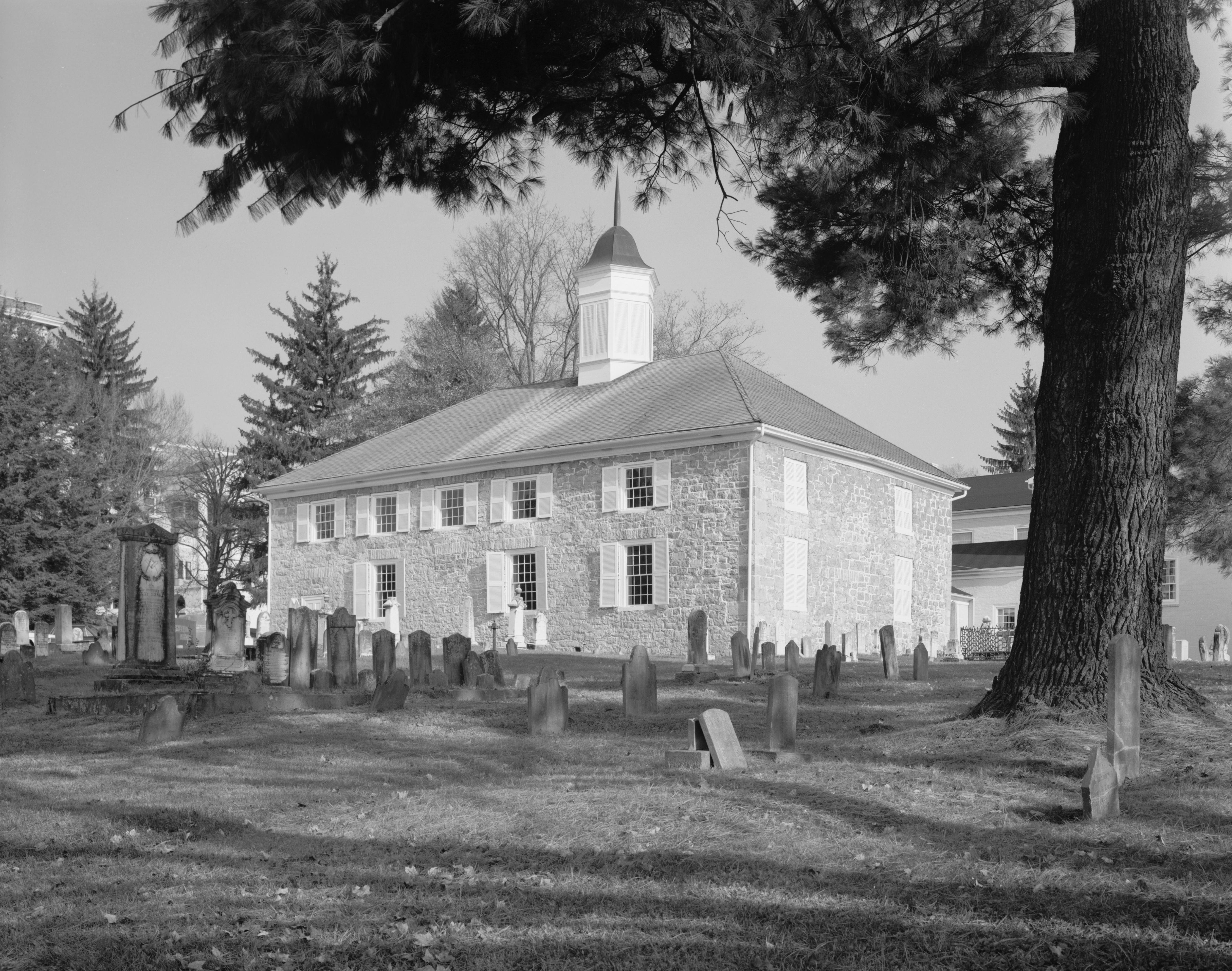
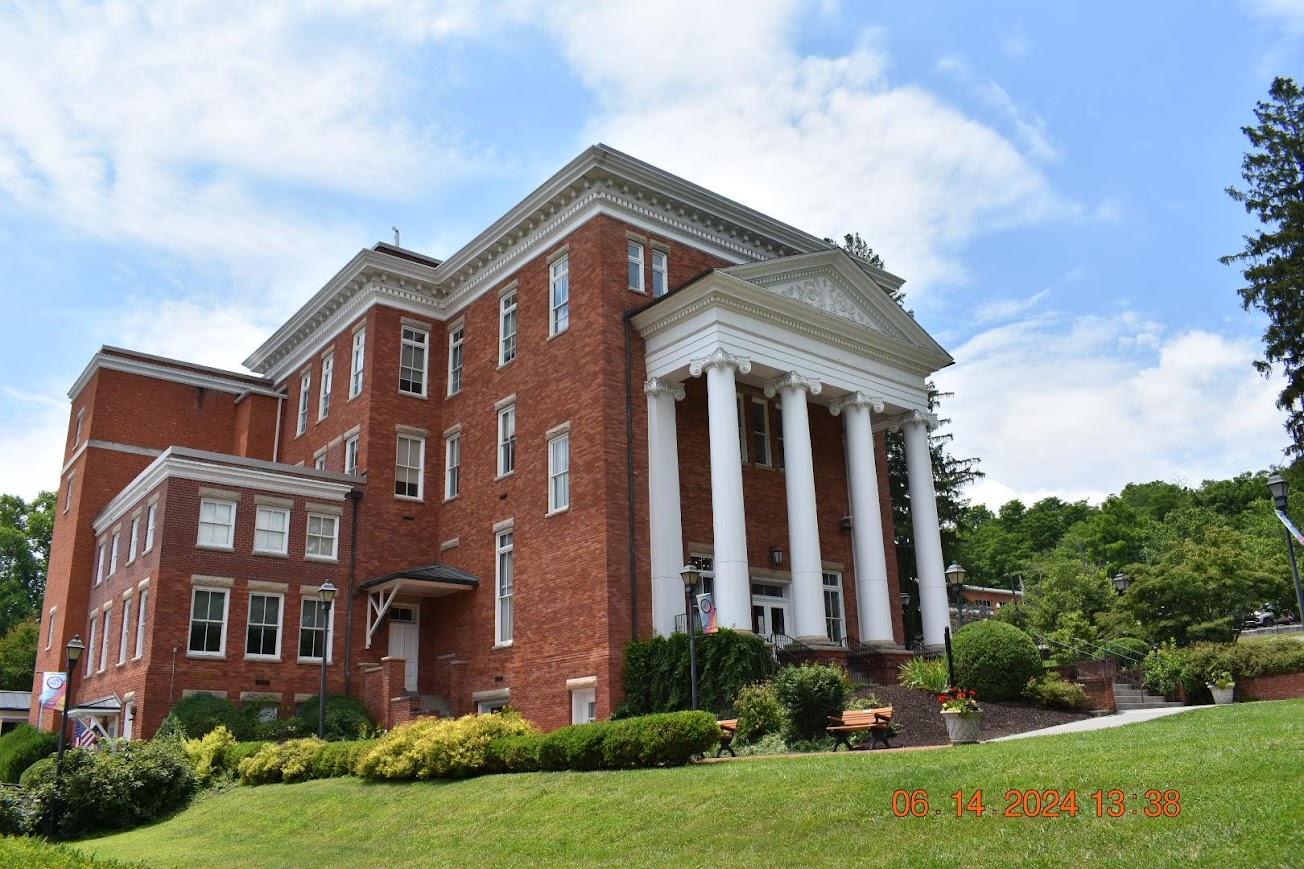
The General Lewis Inn changed ownership in recent years but has maintained its character as a historic country inn with a restaurant and the Thistle Lounge bar. The building sits on Washington Street in the heart of Lewisburg's historic district, surrounded by antique shops, galleries, and other buildings that date to the 18th and 19th centuries. Lewisburg itself is one of the most concentrated paranormal hotspots in West Virginia, home to the Greenbrier Ghost, the Old Stone Presbyterian Church, and Carnegie Hall -- all within walking distance. The General Lewis Inn is both a comfortable place to stay and a gateway to one of the most haunted small towns in America.