About This Location
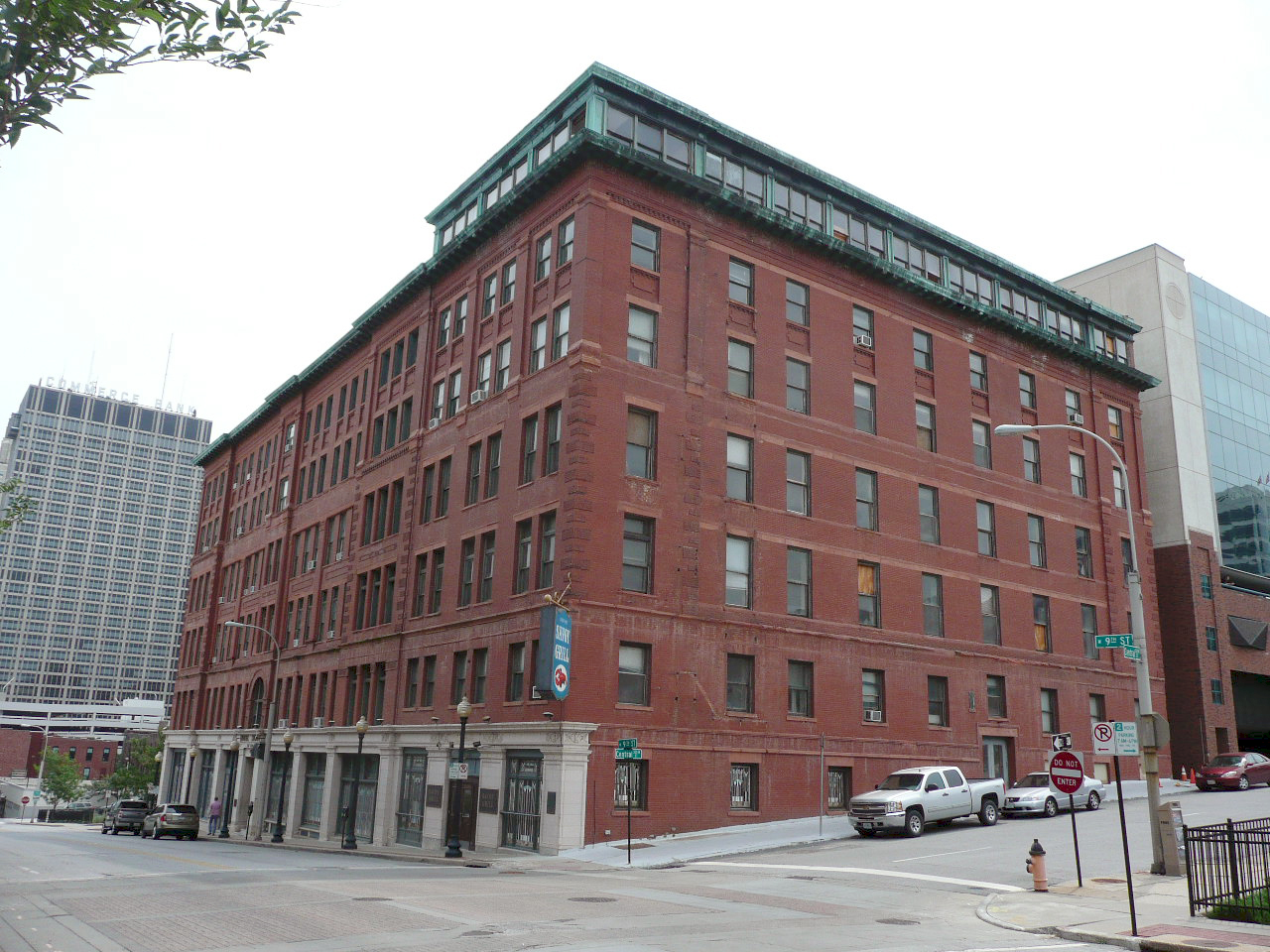
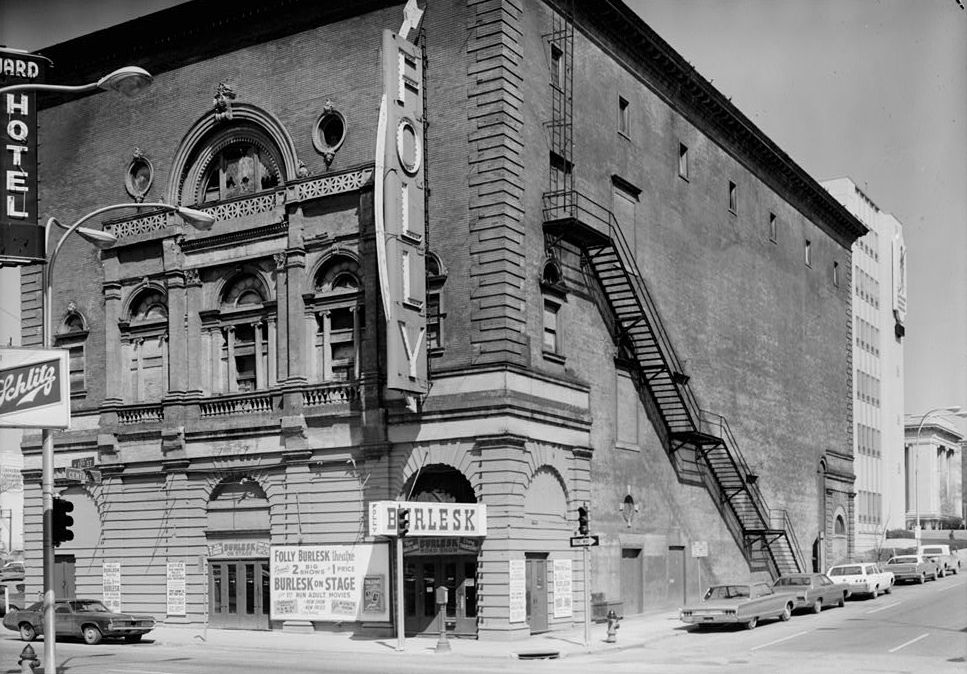
A historic theater completed in 1900, designed by Kansas City architect Louis Curtiss. Once the center of the theater world in Kansas City, the Folly Theater and adjacent Edward Hotel hosted vaudeville, burlesque, and legitimate theatrical productions for decades.
The Ghost Story
The Folly Theater at 300 West 12th Street is the oldest surviving theater in Kansas City, a jewel-box of Victorian entertainment that opened in 1900 and has hosted over a century of performances ranging from vaudeville and burlesque to symphony orchestras and jazz legends. During its earliest decades, the theater's manager, Joe Donegan, ran the Folly from 1902 to 1922 and brought the biggest names in show business to Kansas City -- the Marx Brothers, Fanny Brice, Gypsy Rose Lee, and prizefighters Jack Dempsey and Jack Johnson all appeared on the Folly stage. But some performers and staff loved the theater so deeply that they have apparently refused to leave, even after death.
The most famous ghost of the Folly Theatre is Eddie, a stagehand who is said to have died in the theater sometime in the early twentieth century. Eddie's presence is most strongly felt backstage, where he reportedly moves props, adjusts lights, and generally behaves as though he is still employed at the theater. Stage crews have learned to work around Eddie rather than against him, acknowledging his contributions with a mixture of respect and unease.
When the theater underwent a massive renovation in the 1970s, the construction work seemed to awaken additional spirits. Workers and visitors began noticing a man in a bowler hat who appeared in the theater's lobbies and corridors, watching the renovation with apparent interest before vanishing. Many identified this figure as Joe Donegan himself, the legendary manager who had run the Folly for two decades and had made the theater his life's work. Additionally, the ghost of a woman in a long gown has been seen running toward the stage, moving with the urgency of a performer who is late for her entrance cue.
Paranormal investigations have consistently produced compelling evidence at the Folly. EVP recordings have captured voice phenomena -- fragments of conversation and laughter that have no living source. Photographs taken inside the theater frequently contain unexplained orbs and misty formations, and video recordings have documented unexplained movements and shadowy figures in areas confirmed to be empty.
Unplugged spotlights turn on and off without explanation, as if ghostly stagehands are running through lighting cues for a show that has long since closed. Performers and audience members report feeling someone tap them on the shoulder, only to turn and find no one behind them. The sensation of being followed through the theater's corridors is so common that regular visitors have come to expect it. The Folly Theater has survived fire, neglect, demolition threats, and the changing tides of American entertainment, and its ghosts appear determined to ensure it survives for centuries more.
Researched from 2 verified sources including historical records, local archives, and paranormal research organizations. Learn about our research process.