About This Location
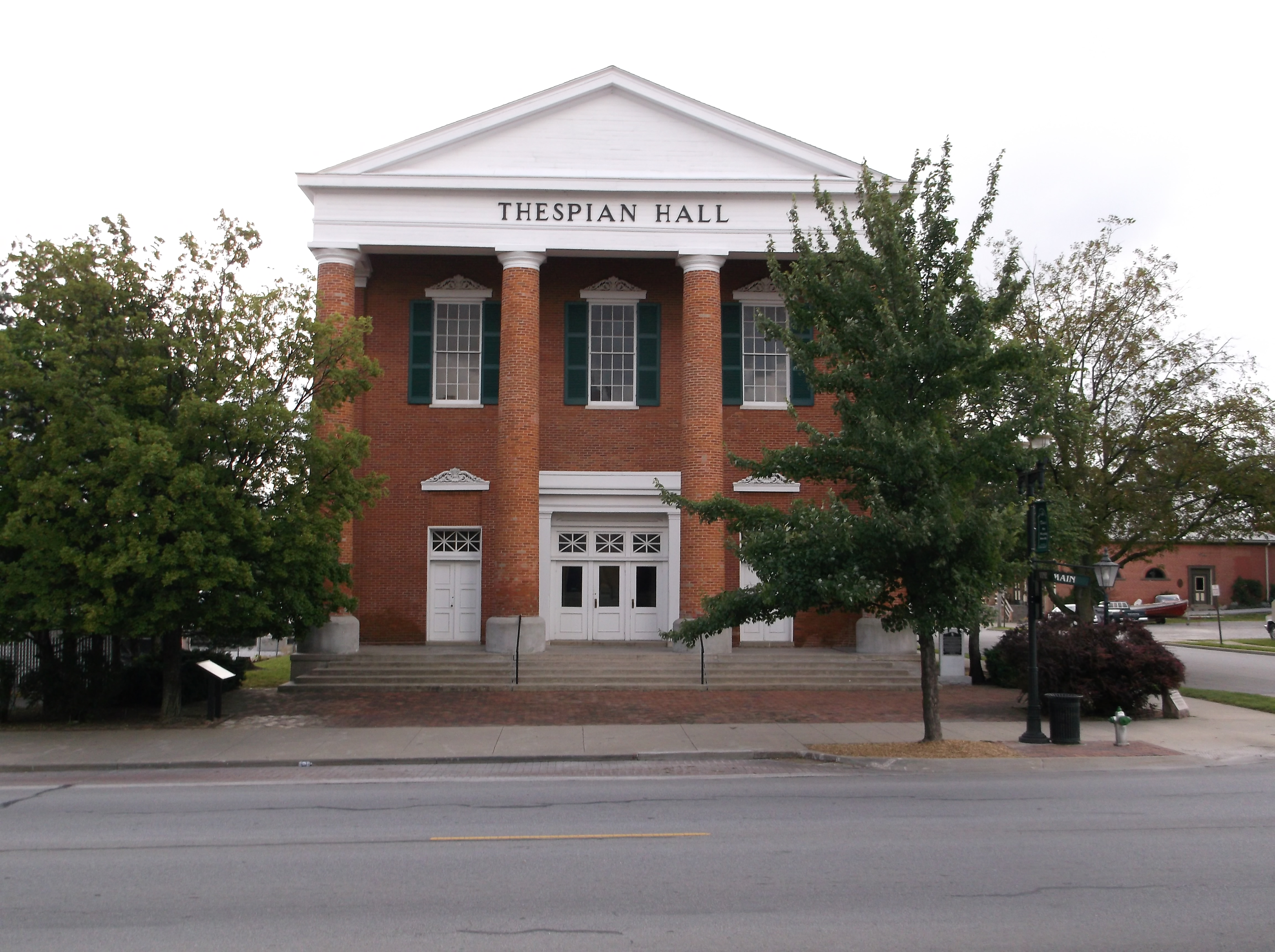
The oldest continuously operating theater west of the Appalachians, built in 1857. Throughout its history, Thespian Hall has served as a theater, dance hall, library, Civil War hospital, and church. Listed on the National Register of Historic Places.
The Ghost Story
Thespian Hall in Boonville, Missouri, holds the distinction of being the oldest continuously operating theater west of the Appalachian Mountains, and within its walls reside spirits who seem determined to ensure that distinction endures forever. The theater traces its origins to 1838, when sixty leading citizens of Boonville founded the Thespian Society, an all-male dramatic group dedicated to the performing arts. By 1855, the Society had commissioned the construction of a permanent home -- a four-story Greek Revival building that took two years to complete and was proclaimed a monument to the liberality and good taste of its citizens.
The Civil War transformed Thespian Hall from a palace of entertainment into a crucible of suffering. Federal troops were quartered within its elegant walls, and the building served as a hospital where wounded and dying soldiers from both sides were treated. The blood that soaked into the floorboards during those terrible years may have left more than physical stains. After the war, the hall returned to its theatrical purpose, and in 1901, it was renovated and reopened as the Stephens Opera House, complete with a stage house, orchestra pit, box seats, and a curved balcony.
The most frequently reported ghost is a former opera singer whose apparition appears wearing a white blouse during performances and rehearsals. She seems drawn to the music, materializing in the audience or near the stage as if unable to resist the pull of a good show. A gray-haired female spirit has also been spotted wandering the halls -- and unlike many ghostly claims, she has reportedly been captured in photographs taken by startled visitors.
Among the most peculiar phenomena are the self-moving wig stands in the dressing rooms. Staff members have arrived to find the stands turned to face the mirrors, as though invisible performers were checking their appearance before taking the stage. The stands are consistently found repositioned when no living person has been in the room. Unexplained ragtime music has also been heard playing through the building when no musicians are present, as if the hall itself remembers the lively performances of its vaudeville era.
Perhaps most unsettling are the ghostly women who have been seen sitting in the audience during rehearsals. Cast members have looked out from the stage to see spectral figures seated attentively in the house, listening to the performance with apparent interest before simply vanishing from their seats. Whether these phantom audience members are echoes of the theater's entertainment history or remnants of the suffering soldiers who once lay in these same spaces, Thespian Hall continues to host performances for audiences both living and otherwise.
Researched from 2 verified sources including historical records, local archives, and paranormal research organizations. Learn about our research process.