About This Location
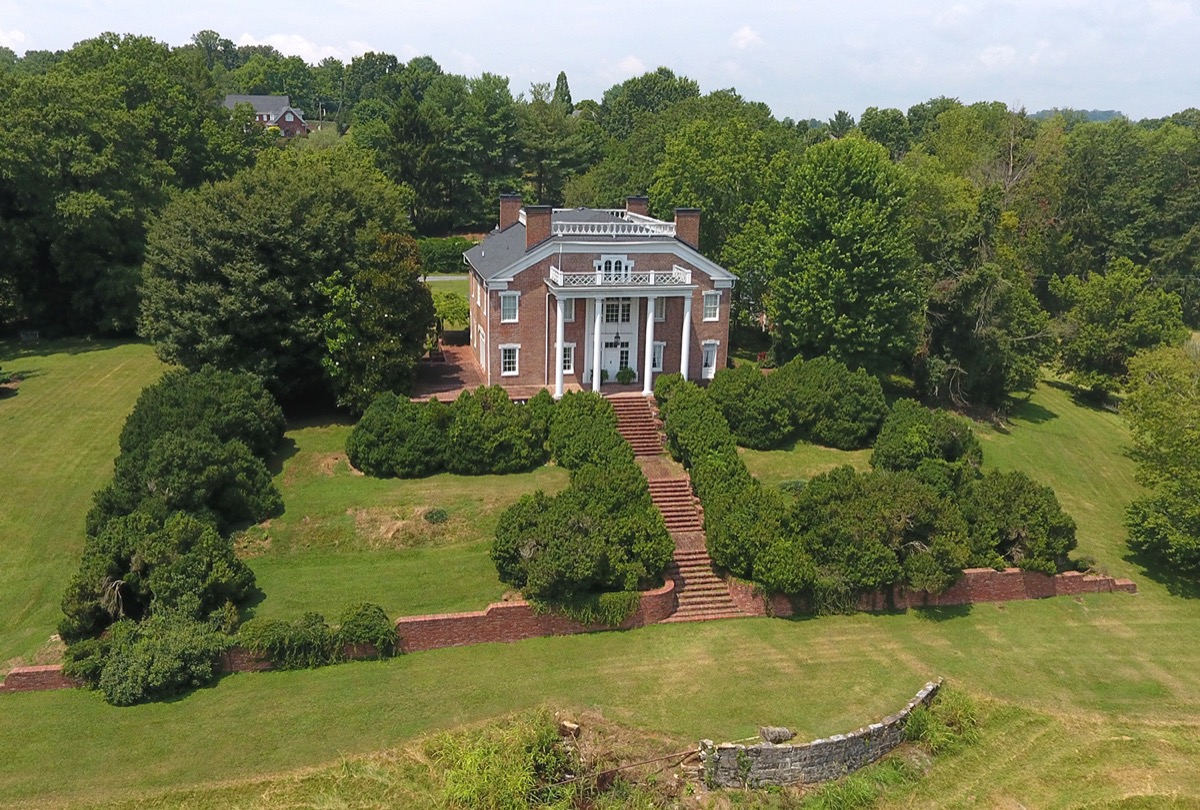
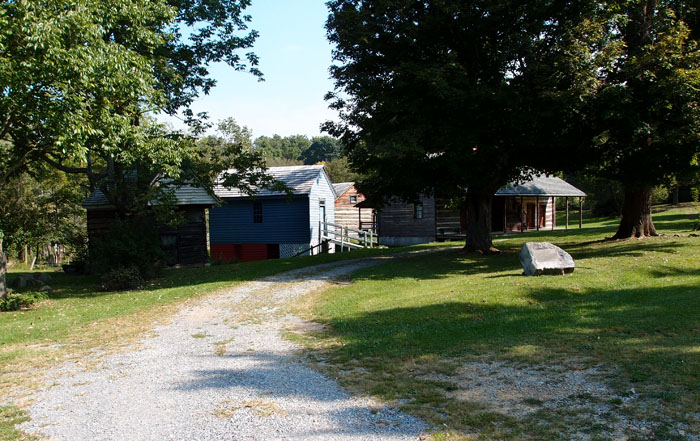
A living history farm that preserves the heritage of the Overmountain settlers from the early 1800s. The property includes original log buildings and demonstrates frontier life in East Tennessee.
The Ghost Story
Exchange Place began as part of a massive three-thousand-acre land grant given in 1750 by British Colonial Governor Robert Dinwiddie to Edmund Pendleton, a member of the Virginia House of Burgesses. The property sat as wilderness until John Strother Gaines, a War of 1812 veteran married to Letitia Dalton Moore, established the homestead in 1816. Gaines was both a farmer and entrepreneur who accumulated over two thousand acres, raised twelve children, and shrewdly rerouted the Great Stage Road to pass directly in front of his house. He opened a store, established the Eden's Ridge post office in 1831, and operated a stagecoach relay station. The name "Exchange Place" stuck because of the steady swapping that took place here: fresh horses exchanged for spent ones, goods bartered at the store, and most notably, Virginia and Tennessee currencies traded at a time when each state maintained its own monetary system.
In 1845, Gaines traded 1,182 acres, including the main house and outbuildings, to John Montgomery Preston, a wealthy merchant and the first mayor of Abingdon, Virginia, in exchange for Preston's Holston Springs property in Scott County. Preston's son James married Catherine Greenway and took up residence at the farm around 1850, raising six children there. In 1856, James Preston freed two enslaved men named Jefferson and King and made them tenants on the property. The Preston family owned Exchange Place for 125 years, calling it their "Tennessee Farm," until donating seven acres of the original homestead to the Netherland Inn Association in 1970. Today the site is listed on the National Register of Historic Places, with nine of its ten original buildings, constructed between 1816 and 1851, restored on their original foundations. The main house is a double log structure arranged in the distinctive Appalachian "saddle bag" style. Among the property's most prized artifacts is the "Boone Block," a section of beech tree trunk bearing an inscription attributed to Daniel Boone that reads "D. Boon Killd A Bar O This Tre 1775."
The primary haunting at Exchange Place centers on Roseland, a large triple log pen structure that was donated to the farm in the 1990s by four sisters, including Mary Birdwell and Carole Carroll, who had grown up in the house. The oldest portion of Roseland dates to the late eighteenth century, and over the years it housed the Bachman, Steadman, and Shipp families. Its name comes from the rose gardens that once surrounded it. The spirit believed to linger in Roseland is Amanda Ellen Steadman, known to everyone as "Aunt El." Born in 1860, Aunt El lived most of her life in the house and was known as an expert weaver and quilter who was deeply fond of children, though she never had any of her own. She died in 1939 and was buried in the family cemetery on a ridge overlooking the original Roseland site on Shipp Street.
When Roseland was painstakingly disassembled, moved in three pieces, and reconstructed on the Exchange Place campus, the house apparently brought a passenger. Mary Birdwell, one of the sisters who donated the building, stated plainly: "Oh, Aunt El is with Roseland, there's no doubt it." Volunteers at Exchange Place have come to accept Aunt El as a permanent, if invisible, presence. They routinely greet her spirit aloud when entering Roseland. The paranormal phenomena reported in the building are consistent and persistent: doors close by themselves without explanation, the way down from the attic is sometimes found shut when no one has been upstairs, keys go missing only to reappear later, and unexplained lights have been observed in the attic. The activity is never threatening. According to those who know her story, Aunt El seems to simply be continuing her quiet domestic life in the home she loved, much as she did for nearly eighty years when she was alive.
Author Brad Lifford documented the Roseland haunting in a chapter of "23 Tales: Appalachian Ghost Stories, Legends and Other Mysteries," a nonfiction anthology published in 2023 by Howling Hills Publishing. Lifford spent time with the Birdwell sisters gathering firsthand accounts of Aunt El's ongoing presence and explored the grief that, according to local tradition, left her tethered to the house from beyond the veil. Roseland now serves as a community center at Exchange Place and hosts meetings of the Overmountain Weaver's Guild, an appropriate use given Aunt El's lifelong devotion to weaving.
Exchange Place embraces its haunted heritage through Witches Wynd, an annual October storytelling event created in the early 1990s by longtime volunteer Billee Moore after she attended an evening ghost walk through the cemeteries and "wynds" (alleys) of Scotland. The event sends visitors along winding, lantern-lit paths through the historic buildings while some of the region's finest storytellers spin yarns of death, murder, and the macabre. It regularly sells out. The property is also featured as a stop on Appalachian GhostWalks' Great Stage Road Haunted Adventure Tour. Whether visitors encounter Aunt El during their visit remains a matter of chance, but the volunteers who work in Roseland day after day say she has never truly left.
Researched from 10 verified sources including historical records, local archives, and paranormal research organizations. Learn about our research process.