
About This Location
Called "The Most Haunted Nightclub in America," this honky-tonk bar in northern Kentucky was built on the site of a 19th-century slaughterhouse. Before becoming a country music venue in 1978, the building witnessed Satanic rituals, a gruesome decapitation murder, and multiple suicides.
The Ghost Story
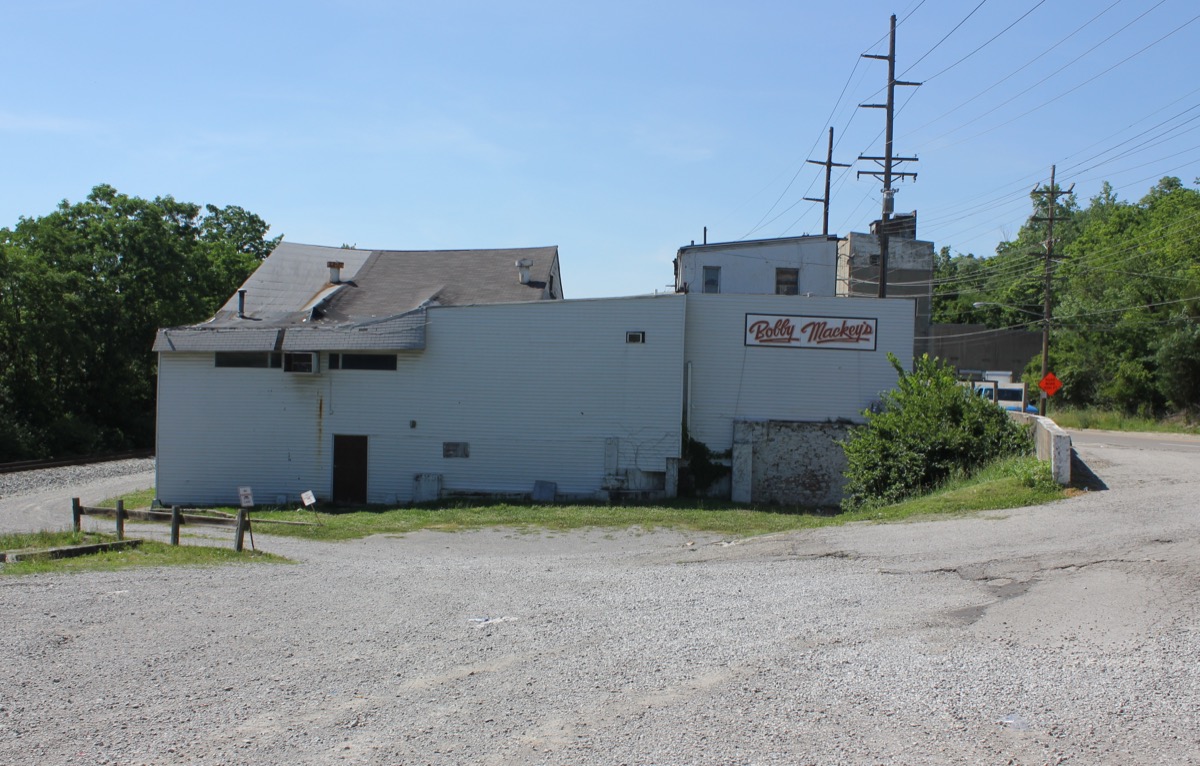
Bobby Mackey's Music World in Wilder, Kentucky, was widely known as the most haunted nightclub in America — a honky-tonk bar perched above railroad tracks near the Licking River where country music and paranormal terror shared the same address for nearly five decades. Owner Bobby Mackey, a country singer, purchased the property in 1978 and opened it as a music venue, but the building's history stretches back far further. In 1850, a large slaughterhouse and meat-packing facility was constructed on the site to serve northwestern Kentucky and nearby Cincinnati. In the lowest part of the building, a well was dug to hold the blood, waste, and offal from slaughtered animals. That well would eventually become known as the "Portal to Hell."
The darkest chapter tied to the site involves Pearl Bryan, a 22-year-old music student whose headless corpse was found in a field near Fort Thomas, Kentucky, on February 1, 1896. Her lover, Scott Jackson, and his roommate Alonzo Walling were convicted of her murder and hanged. Pearl's head was never recovered. According to legend, it was thrown down the well at the nearby slaughterhouse — the same well that sits sealed beneath Bobby Mackey's basement floor. Whether that connection is historically verifiable remains a matter of considerable debate, but the legend has become inseparable from the building's identity.
The mid-twentieth century brought organized crime to the building. Rebranded as the Latin Quarter, it became a mob-run casino with ties to the Cleveland Four crime syndicate. The basement contained detention cells for those who owed gambling debts. In 1946, bootlegger E.A. "Buck" Brady shot a mob enforcer named Red Masterson inside the building. A separate legend claims that in the 1950s, a pregnant dancer named Johanna poisoned herself after her mobster father killed her lover — a singer at the club — by hanging him in the dressing room. Her ghost, accompanied by the scent of roses, has been reported by staff and visitors for decades.
When Bobby Mackey hired Carl Lawson as a caretaker in 1978, the paranormal narrative escalated dramatically. Lawson reported phantom footsteps, unseen presences, and increasingly disturbing encounters that led him to sleep with a brace against his door and a shotgun by his bed. His claims grew to include demonic possession, and he reportedly underwent an exorcism in the building in 1993. After Lawson's death, investigators claimed to have captured his voice on EVP recordings inside the building.
Bobby Mackey's became a pilgrimage site for paranormal investigators after the Travel Channel's Ghost Adventures premiered with an episode filmed at the venue in 2008. Investigator Zak Bagans claimed to receive long scratches from a phantom hand during the investigation, and the episode launched both the series and the bar into national consciousness. The Gatekeeper Paranormal team, a four-woman group, conducted investigations beginning in 2014, capturing EVP recordings including a female voice stating: "She does not like all these people in here." Bobby Mackey himself posted a warning sign at the entrance acknowledging the reported activity while maintaining his own skepticism. "I don't believe in it," he told a reporter, "but most of all I don't dwell on it. I just play my music."
In March 2024, the nightclub closed, and on December 10, 2024, the original building was demolished. Plans call for a new facility to be built on the same site, with the "Portal to Hell" well and a basement wall featuring water stains resembling human faces relocated to the new structure. Whether the spirits will follow remains to be seen.
Researched from 6 verified sources including historical records, local archives, and paranormal research organizations. Learn about our research process.