About This Location
The third and largest of the St. Louis cemeteries, opened in 1854 near Bayou St. John. The cemetery served as a filming location for Easy Rider and contains the tomb of the notorious Storyville madam, Josie Arlington.
The Ghost Story
St. Louis Cemetery No. 3 stretches back nearly half a mile from its entrance on Esplanade Avenue near Bayou St. John, one of the largest of New Orleans' famed Cities of the Dead. The cemetery was established in 1854, authorized through legislative action in 1848 after the older St. Louis Cemeteries No. 1 and No. 2 began reaching capacity during a devastating period when nearly eight thousand people died of yellow fever within three months in 1853. The land itself carries an even darker history. In the late 1700s, under Governor Bernardo de Galvez, this area on the outskirts of the old city served as a distant leper colony, where afflicted souls were banished to the borders of Bayou St. John to protect the city's residents.
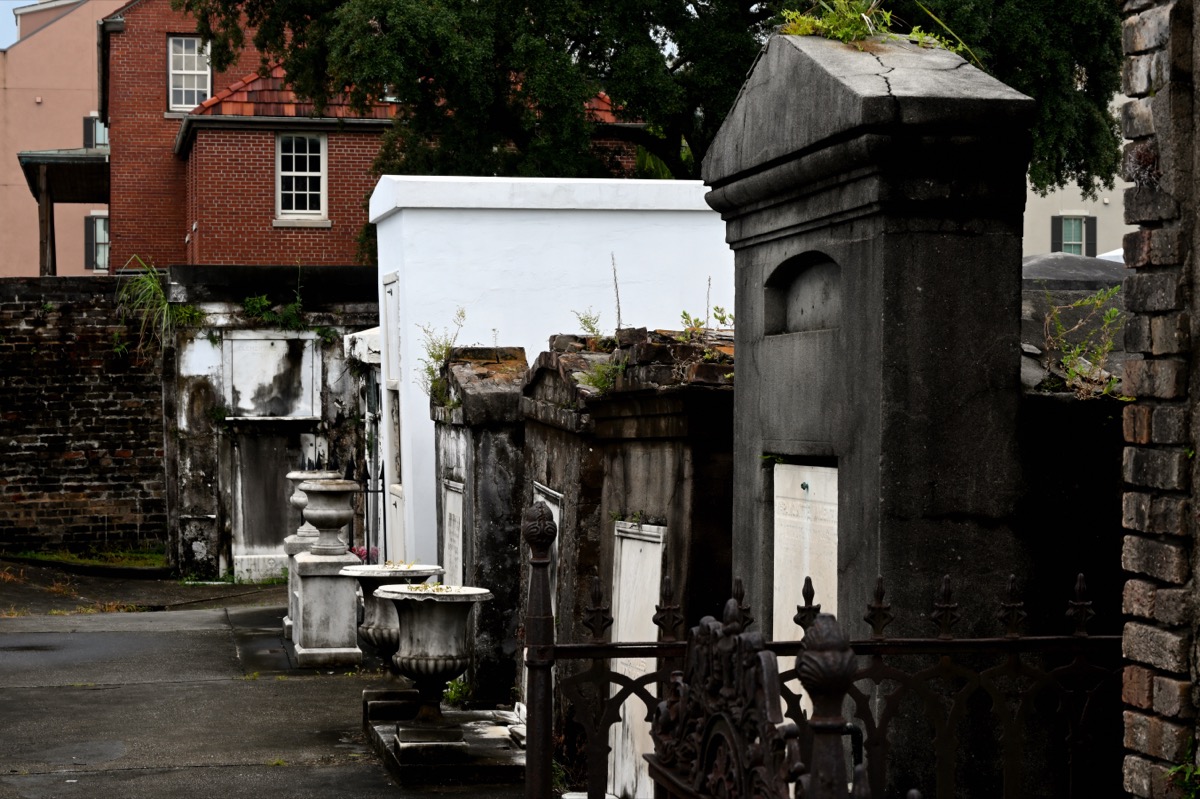
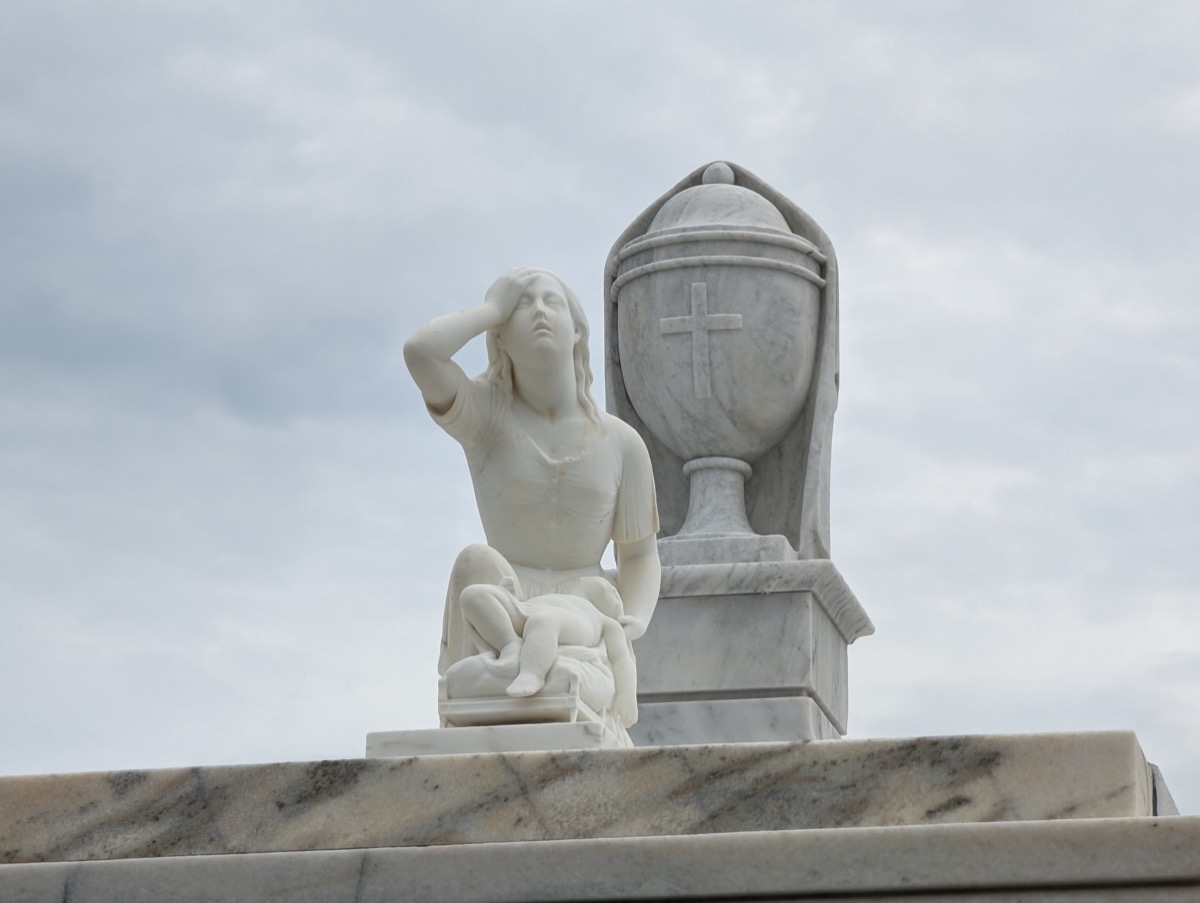
The cemetery now contains approximately ten thousand burial sites, including five thousand mausolea, three thousand wall vaults, and some fifteen hundred family tombs in architectural styles ranging from Greek and Roman to Gothic, Egyptian, Baroque, and Byzantine. The uniform size and gable roofs of many tombs give this cemetery, more than any other in New Orleans, the appearance of miniature city streets. The distinctive above-ground burial tradition arose because the city's proximity to the Mississippi River and high water table made traditional underground burials impractical, as coffins would often resurface during floods.
Among the most storied tombs is the monument that architect James Gallier Jr. designed in 1866 for his father, James Gallier Sr., who perished alongside his wife Catherine in a shipwreck off the coast of Savannah that same year. The elder Gallier, born in Ireland as Gallagher, had Americanized his name to appeal to the French Creole population and went on to design some of the city's most important buildings, including what is now Gallier Hall. His son James Jr. died of yellow fever just two years later in 1868, the rapid succession of deaths across two generations suggesting to some what they interpret as a familial curse. The cemetery also holds the remains of Storyville photographer E.J. Bellocq, whose haunting images of the red-light district's women became legendary, as well as beloved chefs Leah Chase, the inspiration for Disney's The Princess and the Frog, Paul Prudhomme, who popularized Creole cuisine worldwide, and Guillaume Tujague, founder of New Orleans' second-oldest family-owned restaurant.
Visitors to St. Louis Cemetery No. 3 report experiences consistent with those at the city's other haunted burial grounds. Shadowy figures are glimpsed moving between the rows of whitewashed tombs, vanishing when approached. Footsteps echo behind visitors walking the named alleys, originally christened after saints including Saint Louis, Saint Peter, Saint Paul, and Saint Magdalene. Some report being touched by invisible hands or feeling sudden cold spots in the humid Louisiana air. Photographs taken in the cemetery occasionally capture unexplained anomalies. The combination of the site's history as a leper colony, the tens of thousands of yellow fever and cholera victims interred within its walls, and the sheer concentration of human remains packed into above-ground vaults creates an atmosphere that visitors describe as spiritually charged. The cemetery is open daily from nine to five and continues to serve as both an active burial ground and a destination for those drawn to the spectral energy that seems to pulse through New Orleans' most hallowed ground.
Researched from 6 verified sources including historical records, local archives, and paranormal research organizations. Learn about our research process.