
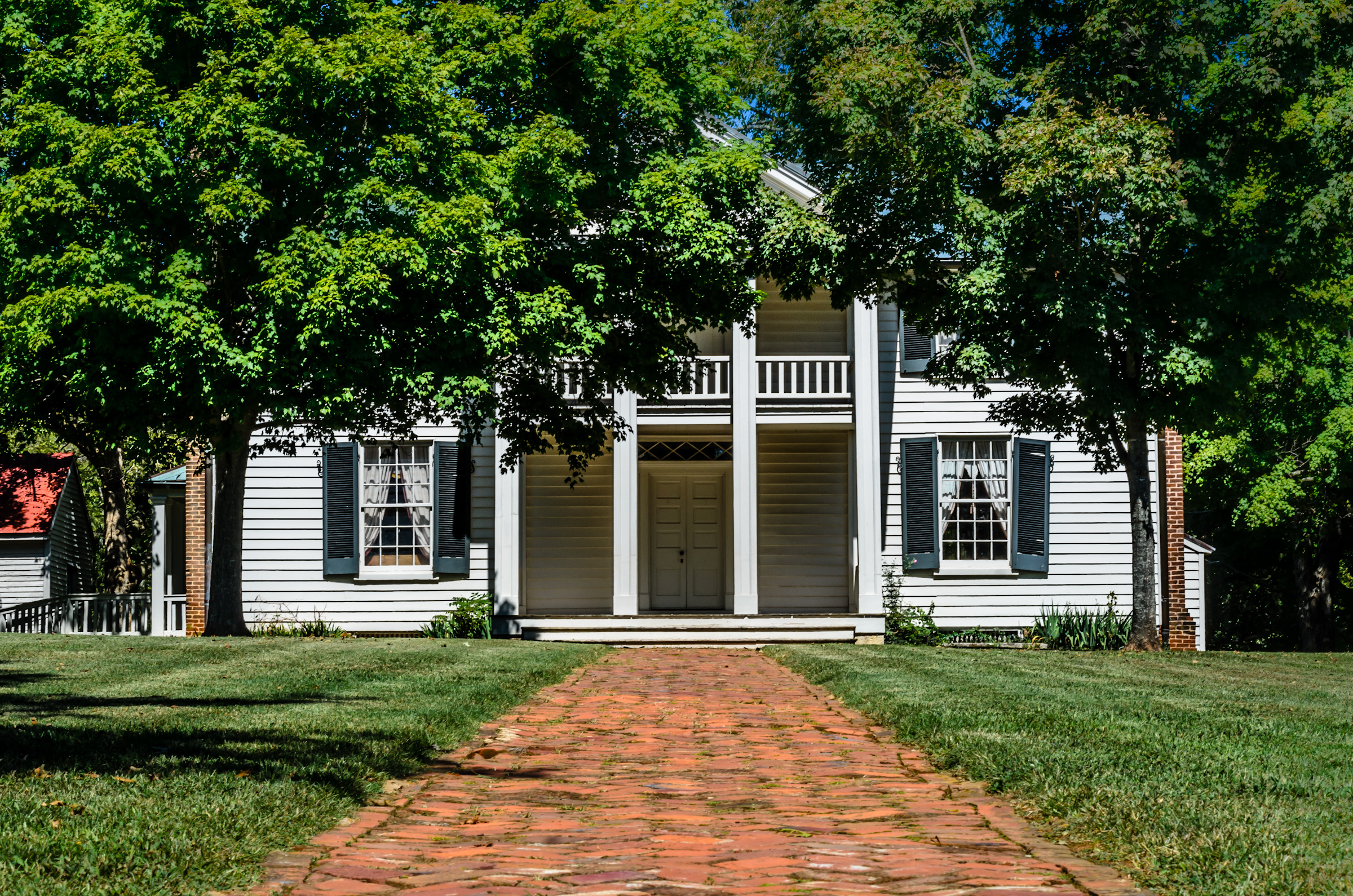
About This Location
The boyhood home of Sam Davis, the "Boy Hero of the Confederacy," who was executed as a Confederate spy at age 21 after refusing to reveal the name of his informant. His last words: "If I had a thousand lives, I would give them all rather than betray a friend."
The Ghost Story
The Sam Davis Home in Smyrna preserves the memory of the 'Boy Hero of the Confederacy' -- and according to decades of witness accounts, the original residents may have never left. The house was first built as a log structure in 1810 and remodeled by Charles Davis in 1847. His son Sam grew up here before joining Coleman's Scouts, a Confederate cavalry company that collected intelligence about Union troop movements around Nashville, Franklin, and Murfreesboro.
On November 20, 1863, twenty-one-year-old Sam Davis was captured by scouts of the 7th Kansas Cavalry near Pulaski. Found carrying detailed Union troop information and maps, he was charged as a spy and sentenced to hang. Union General Grenville Dodge offered Davis his life if he would reveal the identity of his informant. Standing before the gallows on November 27, 1863, Davis refused: 'I would rather die a thousand deaths than betray a friend or be false to duty.' His body was brought home and laid in state in the parlor of the family home.
Today, with decades of firsthand accounts from staff, volunteers, and visitors, the Sam Davis Home is considered one of Tennessee's most actively haunted sites. At least five distinct spirits have been identified by multiple witnesses over the years.
'Miss Jane' -- Sam's mother, Jane Simmons Davis -- is the most interactive presence. The dining room door mysteriously sticks when staff try to enter, refusing to budge until they speak her name politely: 'Miss Jane, it's me and my hands are clean, can I come in?' The door then becomes unstuck and opens normally. Volunteer coordinator Erica Dahlgren, who started as a skeptic, experienced this phenomenon herself during a tourist tour.
'Grandma Elizabeth' -- Elizabeth Collier Simmons -- occupies the upstairs bedroom that was hers in life. A rocking chair in the parlor was documented moving on its own when a tour guide mispronounced her name, then stopping when the name was said correctly, suggesting an intelligent haunting that responds to perceived disrespect. Summer Stevens, a site interpreter and Motlow Community College history major, describes the spirits as 'warm and friendly.'
Lee Lankford, a volunteer for over thirty years who became paid staff, has seen an apparition of a woman twice. The first time, she appeared in a doorway in plain daylight while he was locking up the house -- when he went to investigate, she had vanished. Two weeks later, he saw the same woman looking down from Grandma Elizabeth's second-floor window, her arms folded, watching him. The house was confirmed locked and empty.
A young boy has been observed running from the side porch directly through a closed door. A woman crying has been heard in the parlor where Sam's body was laid in state, the sounds recurring on the anniversary of his wake. An unwound and unopened music box, sitting untouched for years, has been heard playing haunting music by former directors. Staff have heard footsteps ascending the stairs when they were alone in the house -- one skeptical employee found himself unable to move, paralyzed, as invisible footsteps climbed toward him. Multiple employees refuse to enter the home without accompaniment.
A 'lady in green' has also been reported on the grounds, and some visitors believe Sam himself returns -- a young man in Confederate gray seen walking the property, as though the scout who refused to betray his friends still keeps watch over the land of his youth. The site hosts annual ghost tours each October at 7 p.m. and 10 p.m., and is open year-round as a museum.
Researched from 8 verified sources including historical records, local archives, and paranormal research organizations. Learn about our research process.