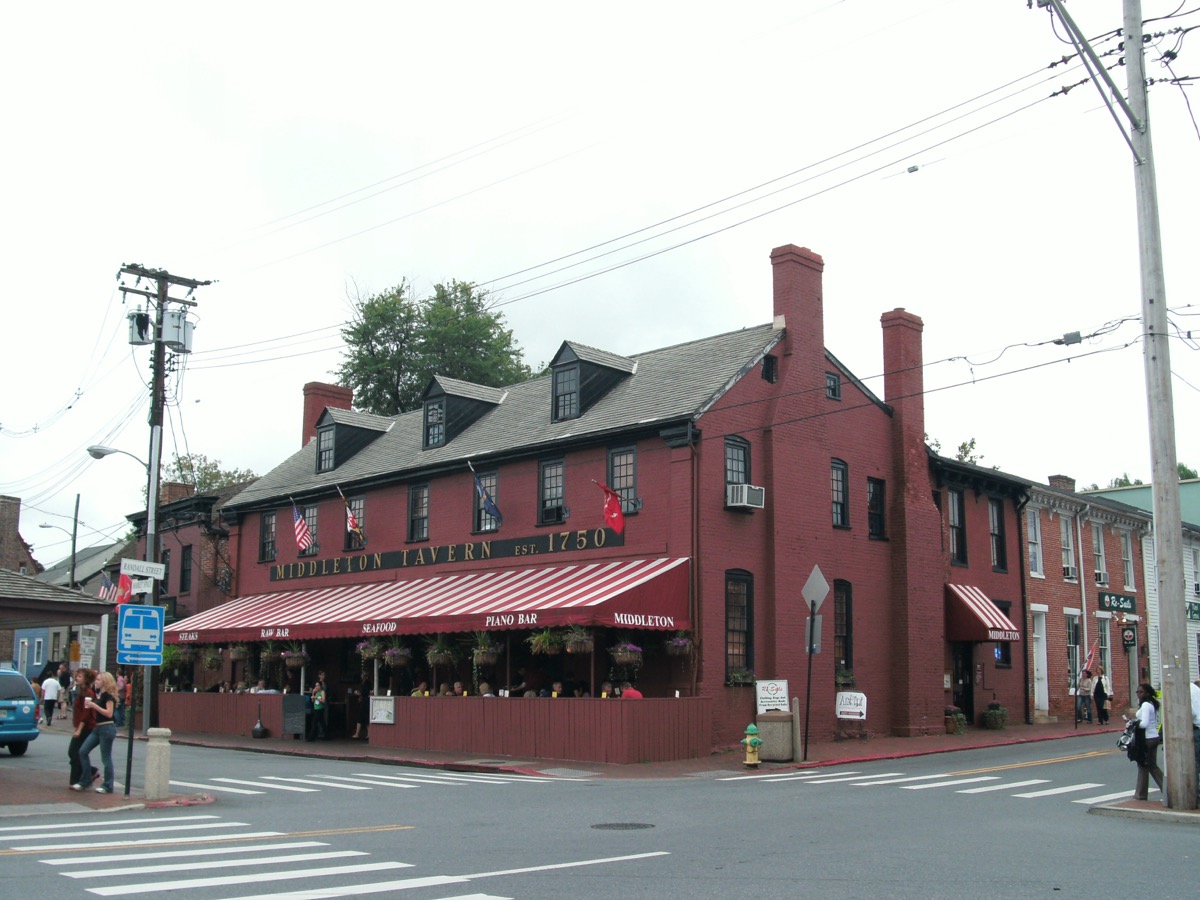
About This Location
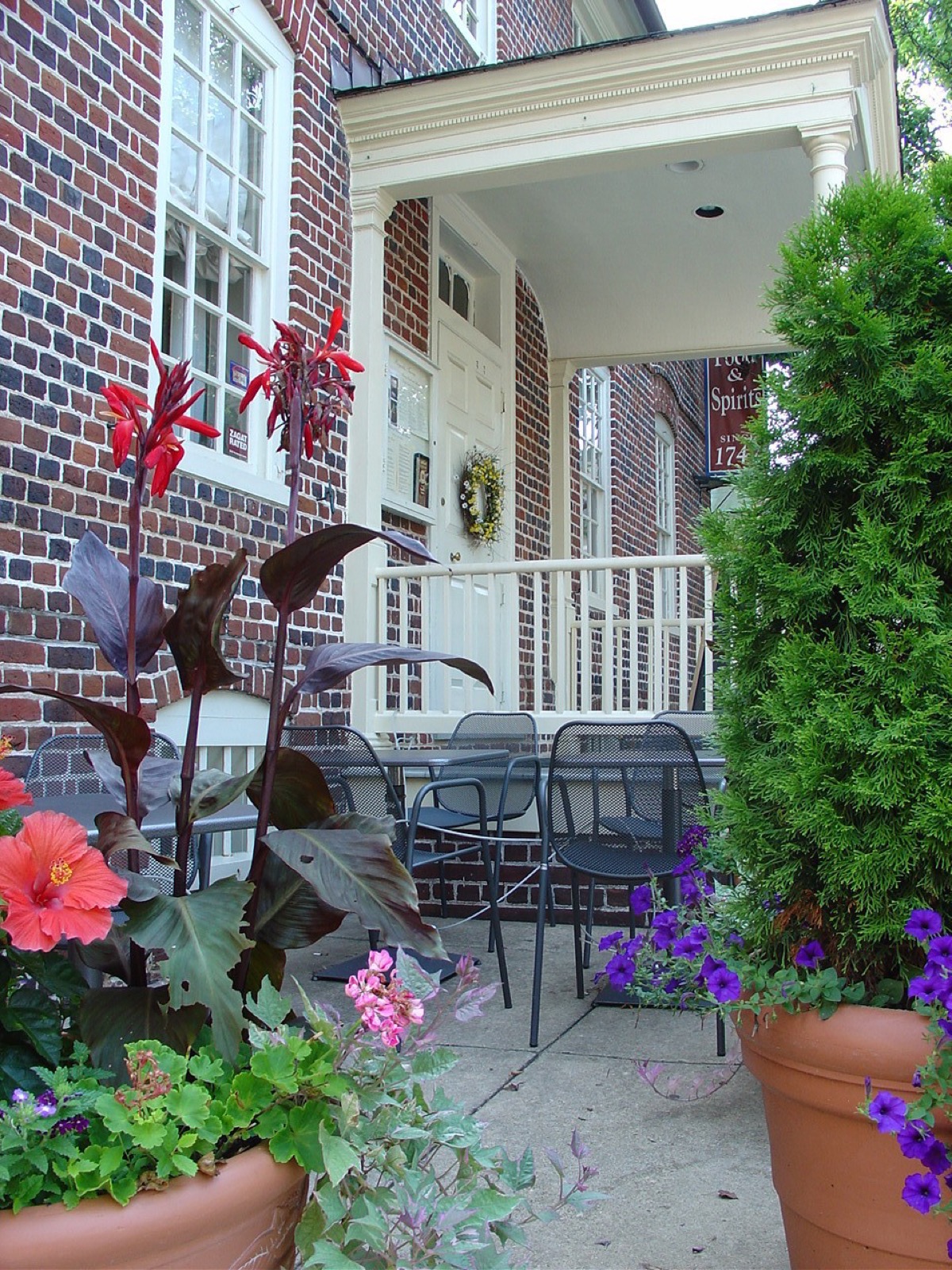
A historic waterfront tavern dating to the colonial era, once frequented by George Washington, Benjamin Franklin, and Thomas Jefferson. It remains one of Annapolis's oldest continuously operating businesses.
The Ghost Story
Middleton Tavern has been a center of paranormal activity for centuries, its walls steeped in the energy of countless historical figures who passed through during the colonial era. The building, constructed around 1740 as a private residence by Elizabeth Bennett, was sold in 1750 to ferry operator Horatio Middleton, who transformed it into an inn for seafaring men. His ferry ran round trip from Annapolis to Rock Hall, cutting travel time from Philadelphia to Virginia dramatically—which is why George Washington, Thomas Jefferson, Benjamin Franklin, and members of the Continental Congress all frequented this establishment. The Freemasons and the distinguished Tuesday Club, an elite society of 'enlightened, well-educated gentlemen,' held their meetings here. Tench Tilghman stopped at Middleton Tavern in 1781 while racing to Philadelphia with news of Cornwallis's surrender at Yorktown. Washington himself once spent an uncomfortable night aboard Middleton's ferry after it hit a sandbar at Greenbury Point, writing bitterly in his diary about sleeping in a cramped bunk with his head resting on his boots.
The most famous ghost haunting the tavern is nicknamed 'Roland,' a figure dressed in Revolutionary War-era clothing who appears throughout the building. According to a séance conducted by owner Jerry Hardesty with a noted medium in the mid-1990s, the spirit was identified as Roland Johnstone—a middle-aged, well-dressed, cigar-smoking man who frequented the pub in the 1700s. When asked through the medium why he haunted the place, Roland reportedly replied that he simply 'enjoyed disturbing people.' Corporate secretary Christina Nokes has confirmed Roland's ongoing presence: 'Our resident ghost, Roland, has appeared and otherwise made his presence known by pulling pranks in the upstairs kitchen for years. He turns on faucets, spills coffee, rearranges silver, and flickers lights.' Staff members have refused to go upstairs alone because of the activity.
The most dramatic encounter occurred in 2019, when night manager Mike Conway—previously skeptical of all things supernatural—was shocked to see Roland's spectral figure slowly cross the bar room floor in full colonial dress before vanishing into thin air, leaving behind the lingering smell of cigar smoke. A bartender once locked eyes with Roland's reflection in a mirror and watched him vanish. Another bartender reported feeling an unseen hand touch theirs while mixing a drink, only to watch the glass tip over by itself. Roland has also been seen gazing pensively from dining room windows toward the harbor, where Horatio's ferries used to dock, as if awaiting a ship that will never arrive.
An alternative theory proposed by local tour guide Melissa Huston suggests the ghost may actually be George Schmidt, the building's owner who was fatally shot outside the tavern in 1876 during an argument about a contested local election. Schmidt was killed by drunk patron William Barber after their political disagreement spilled into the street.
Roland may not be the only spirit inhabiting the tavern. According to the Ghost Eyes paranormal blog, three distinct spirits have been witnessed: a Revolutionary War soldier and a shadowy form flitting throughout the first-floor dining room, plus a gentleman in 18th-century seaman's attire observed outside staring out to sea. Additional reports include lanterns mounted to walls found turned upside down, tables and chairs rearranging themselves without staff intervention, and electronic cash registers going haywire when the building first switched to modern equipment. Some speculate the mischievous activity could be past members of the Tuesday Club, perhaps still enjoying their memories of the spirited meetings they held within these walls.
The tavern survived two devastating fires in 1970 and 1973 that left only a shell of the building, but Annapolis recognized its irreplaceable historical value and chose to rebuild. After Horatio Middleton's death in 1770, his wife Anne and then his son Samuel continued operating both the ferry and the tavern. Later owner John Randall—a Revolutionary War officer, architect trained by the famous William Buckland, and early 19th-century mayor of Annapolis—was such close friends with James Monroe that the president may have visited when Monroe was in office (1817-1825). Today, the restored tavern displays Civil War muskets, old Naval Academy uniforms, and classic Maryland landscape paintings, while Roland continues his pranks upstairs, reminding patrons that in Maryland's oldest bar, the spirits flow in more ways than one.
Researched from 9 verified sources including historical records, local archives, and paranormal research organizations. Learn about our research process.