
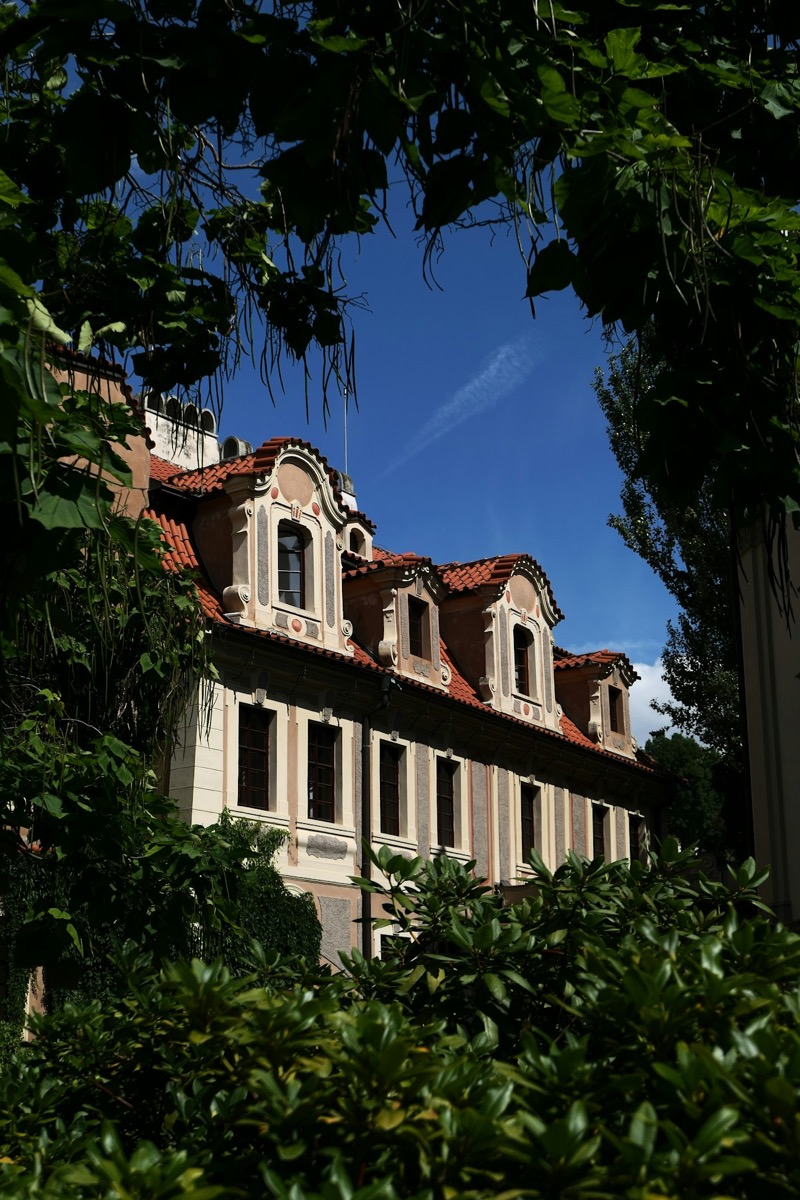
About This Location
This plantation gained national attention when the Travel Channel's Ghost Adventures investigated and captured compelling evidence. Anthropologists discovered evidence of voodoo practices in the former slave hospital and cabin.
The Ghost Story
Magnolia Plantation in Schriever sits along Little Bayou Black in Terrebonne Parish, a Greek Revival mansion built by Thomas Ellis around 1834 using cypress cut by enslaved laborers. The plantation operated as a sugar cane estate through the antebellum period, and within its walls, Ellis's daughter Eliza married Confederate General Braxton Bragg, one of the most controversial military commanders of the Civil War. Ellis retained ownership until 1874, when he sold the property to Captain John Jackson Shaffer, a Confederate officer whose descendants continue to occupy the home today — making it one of the few Louisiana plantations still in the hands of the same family line for over 150 years.
During the Civil War, Union forces occupied the plantation and converted the main house into a Federal hospital, where wounded soldiers from both sides were treated and many died. The transition from family home to military hospital to plantation house again left layers of trauma embedded in the property. Visitors and locals have long reported an uneasy atmosphere on the grounds, particularly near the areas where the hospital wards would have been situated. The suffering of enslaved people who built and worked the sugar fields, combined with the anguish of Civil War wounded who died under its roof, creates the kind of concentrated grief that believers say never fully dissipates.
The plantation gained modern fame when director Steve McQueen chose it as a filming location for the 2012 Academy Award-winning film 12 Years a Slave. Because the actual plantation where Solomon Northup was enslaved no longer exists, Magnolia Plantation doubled as the home of William Ford, played by Benedict Cumberbatch. Cast and crew spent weeks on the grounds, and the production reportedly heightened local awareness of the property's difficult history. Some accounts from the film's production period mention an oppressive heaviness felt on the property, particularly around the surviving outbuildings where enslaved people once lived and worked.
It should be noted that Magnolia Plantation in Schriever is frequently confused with the more widely publicized Magnolia Plantation in Natchitoches Parish, which is part of the Cane River Creole National Historical Park and was investigated by Ghost Adventures and Ghost Brothers. The two are entirely separate properties with different families and different histories. The Schriever plantation's haunted reputation is quieter but rooted in equally painful origins — the sugar cane fields of Terrebonne Parish were among the most brutal in the South, with mortality rates among enslaved workers that rivaled those on Caribbean sugar islands.
The property was added to the National Register of Historic Places in 1983 and remains a private residence. It is not open for public tours, but its grounds and architecture are visible from Highway 311. The family first opened the gardens to visitors in 1870 to generate funds and prevent foreclosure, a common strategy among cash-strapped plantation owners in the Reconstruction era. Today, the house stands as both an architectural treasure and a monument to the layers of suffering that built it.
Researched from 4 verified sources including historical records, local archives, and paranormal research organizations. Learn about our research process.