About This Location
A charming bookshop in a historic building where William Faulkner lived and wrote his first novel, Soldiers' Pay, in 1925. Located just off Jackson Square behind the Cabildo, this literary landmark specializes in Southern literature.
The Ghost Story
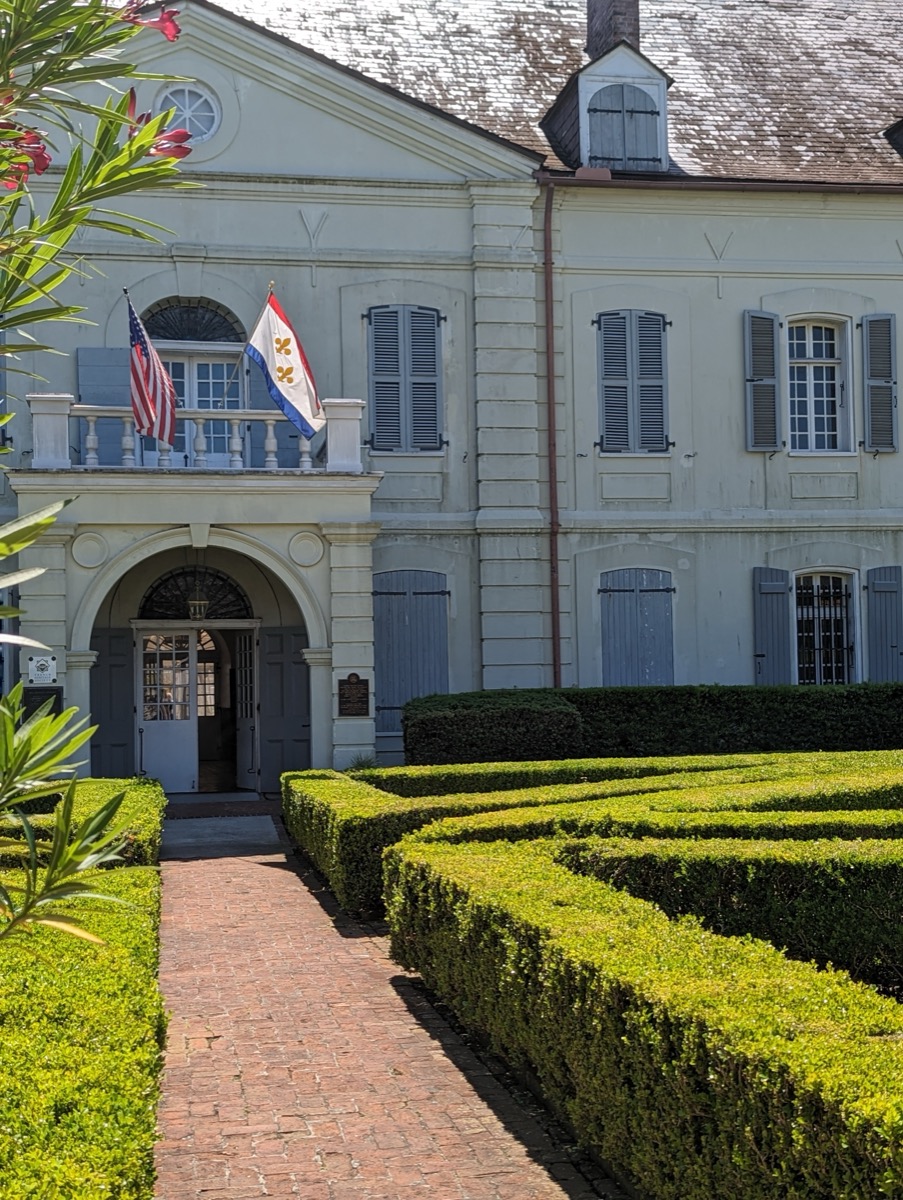
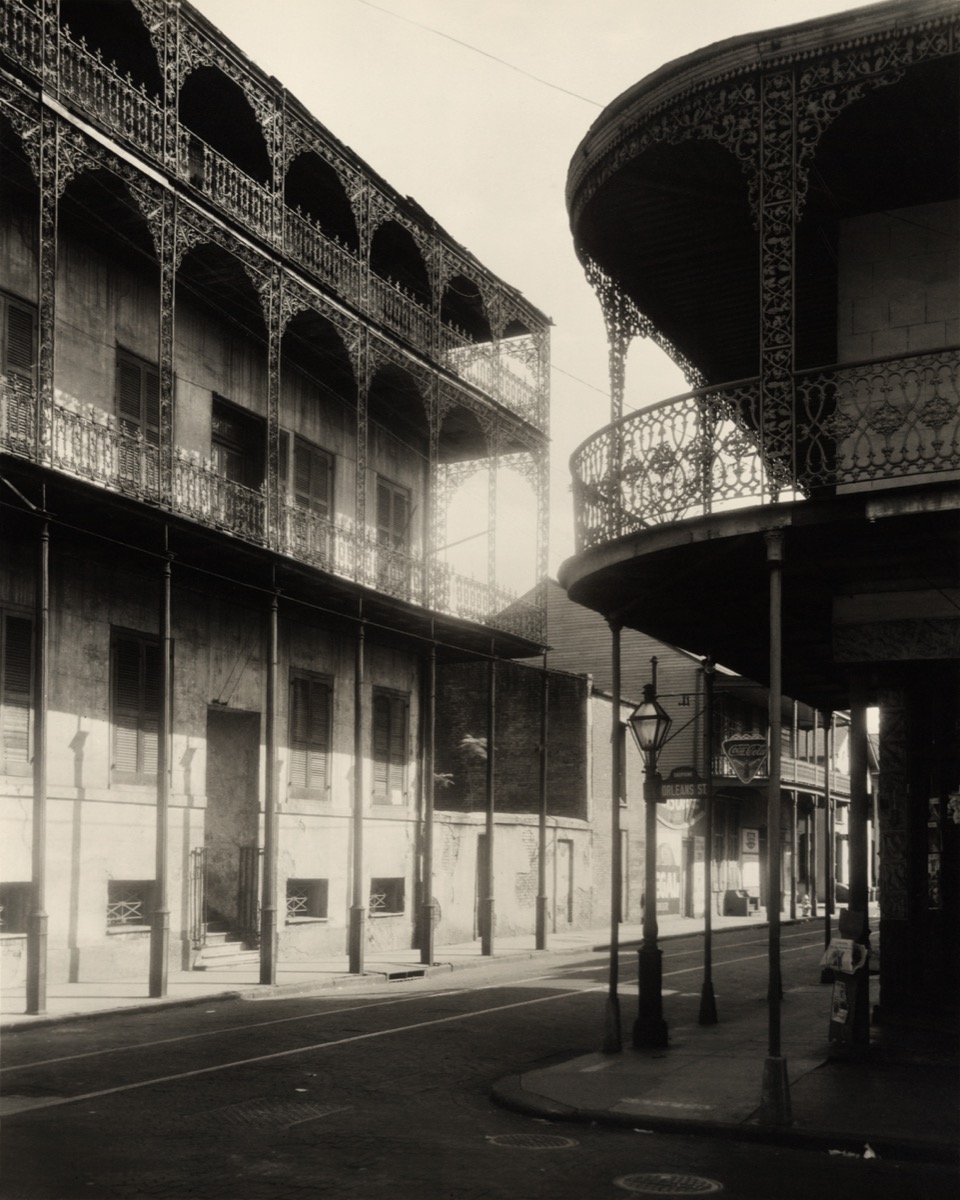
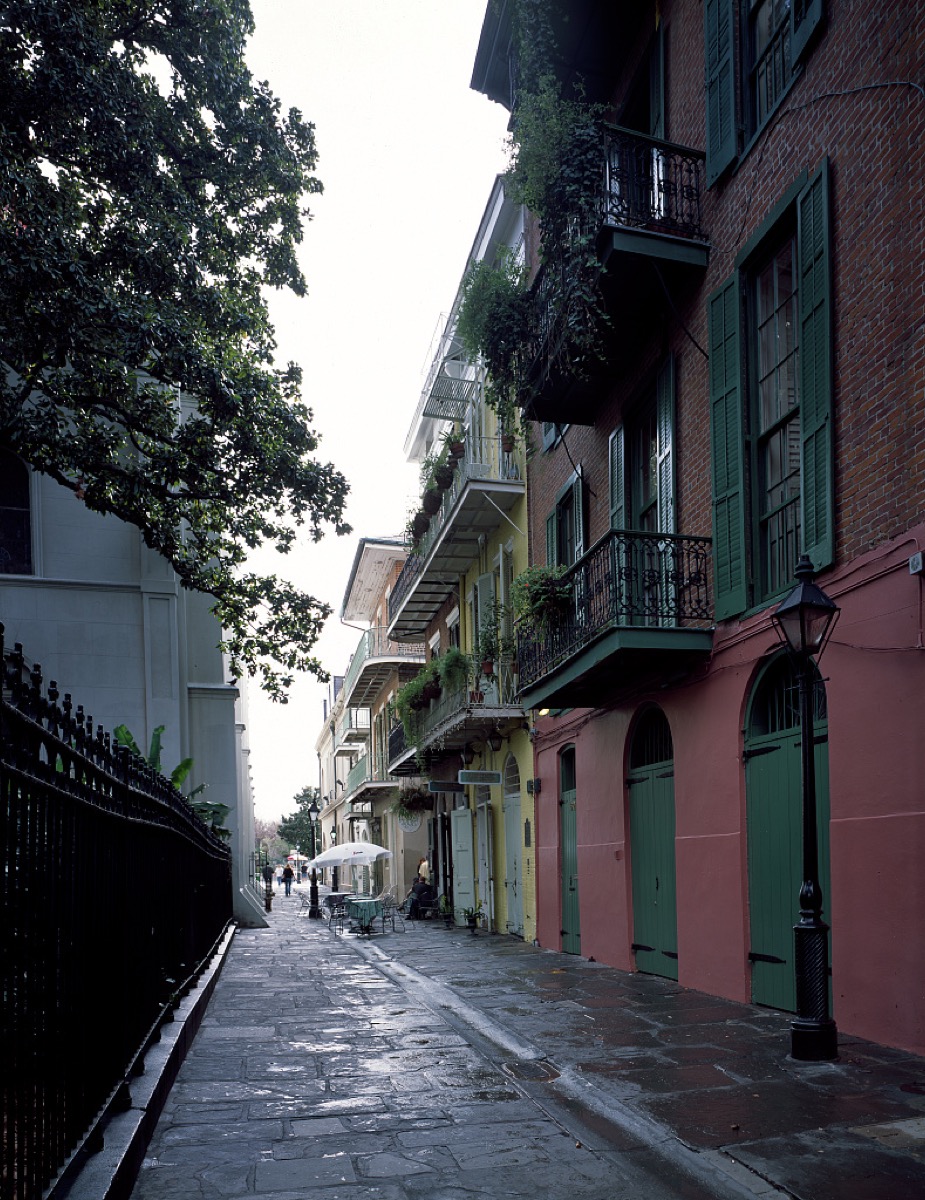
The building at 624 Pirates Alley sits in one of the most historically layered corners of the French Quarter, tucked between St. Louis Cathedral and the Cabildo on a narrow cobblestoned passage originally called Rue Orleans. The townhouse was built in 1837, part of a row of antebellum mansions constructed on a site that once held a Spanish colonial prison and French guard house. A 1924 newspaper account claimed that on the walls of the courtyard where pirates and other prisoners were lined up and shot, bullet holes could still be seen embedded in the stone. The cobblestones that pave the alley today were added in the 1830s, and the passage earned its pirate nickname from local legend rather than verified history.
In 1925, a young William Faulkner rented the ground-floor apartment, sharing the space with artist and silver designer William Spratling. During his six months of residence, Faulkner completed his first novel, Soldiers' Pay, which was published the following year. He also published essays for the local literary magazine The Double Dealer and character sketches for the Times-Picayune, and collaborated with Spratling on the satirical work Sherwood Anderson and Other Famous Creoles. The New Orleans experience deeply influenced Faulkner's subsequent novels, including Mosquitoes, The Wild Palms, and Absalom, Absalom. In 1990, attorney Joseph J. DeSalvo Jr. and journalist Rosemary James purchased the building and established Faulkner House Books, now designated a National Literary Landmark since 1993.
Visitors and staff at the bookshop report that the Nobel Prize-winning author never entirely left his French Quarter writing room. The most common experience is the strong scent of pipe tobacco wafting through the small two-room shop when no smoker is present, matching Faulkner's well-known habit of smoking while he wrote. Some visitors have reported seeing the ghostly image of Faulkner himself, still seated at his original writing desk, apparently absorbed in work on yet another masterpiece. The sightings are fleeting, a figure there one moment and gone the next, but consistent enough across multiple witnesses that the bookstore's haunted reputation has become as much a part of its identity as its mahogany bookcases and rare Southern literature collection.
The hauntings on Pirates Alley extend well beyond Faulkner's literary ghost. The spirit of Father Dagobert, a Capuchin priest who secretly buried French rebels executed by Spanish Governor Bloody O'Reilly in 1769, is said to walk the passage. Visitors report hearing ghostly singing along the alley and within the Cathedral itself. Legend also tells of Reginald Hicks, a pirate who married a local woman by an iron gate along the alley before dying in battle. People have reported hearing phantom wedding bells and ghostly laughter echoing through the empty passage. Researchers have even uncovered firsthand accounts from prisoners and wardens of the old Spanish Calabozo about supernatural encounters along the alley during the colonial era. Today, Faulkner House Books remains a peaceful sanctuary for fine literature, where the boundary between the living and the dead feels as thin as the pages of the novels lining its shelves.
Researched from 6 verified sources including historical records, local archives, and paranormal research organizations. Learn about our research process.