About This Location
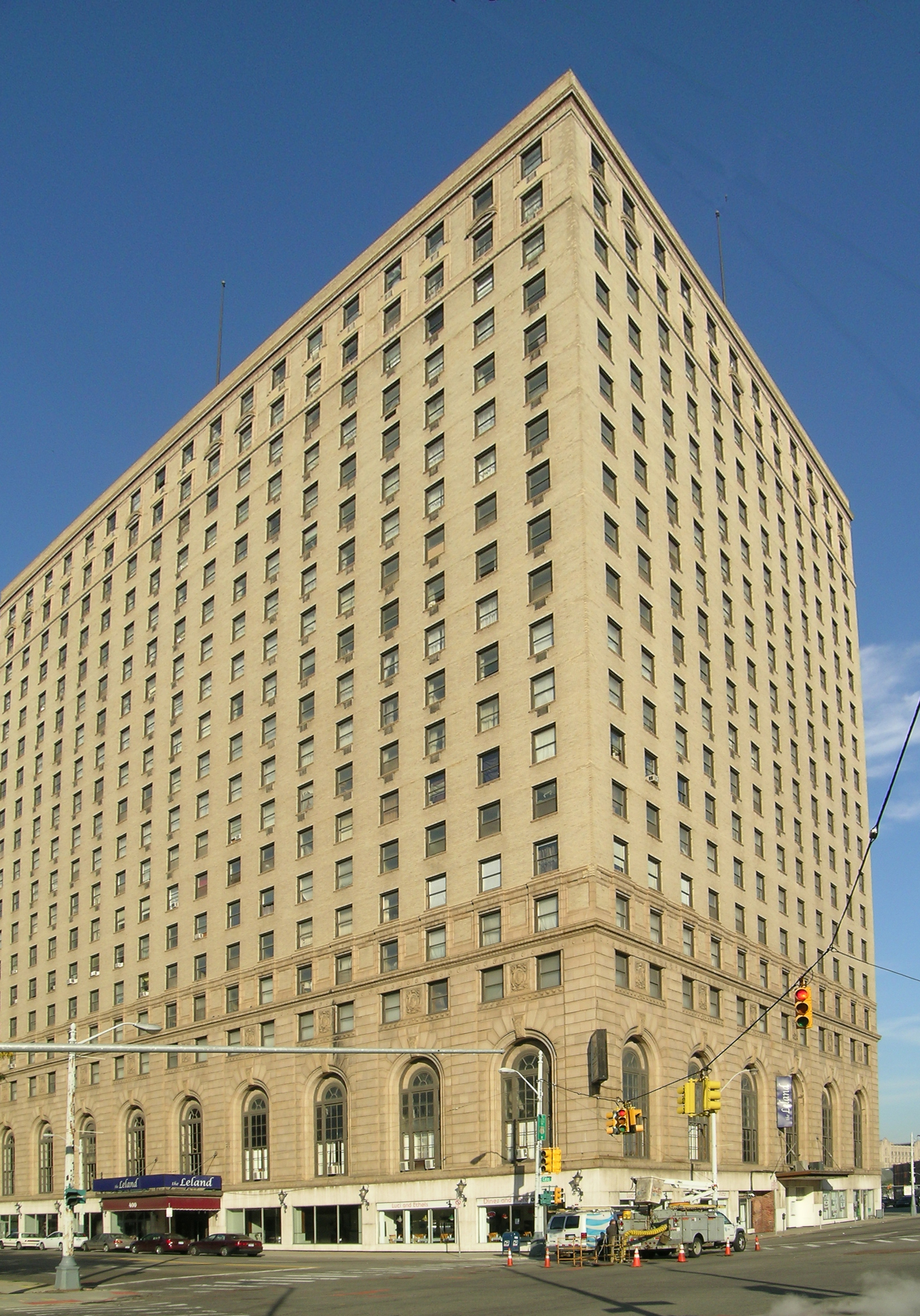
A grand hotel that opened on April 20, 1927, nicknamed Michigan's Cecil Hotel due to an extraordinary number of deaths, murders, suicides, and freak accidents. It was a favorite hangout of Jimmy Hoffa and the Purple Gang during Prohibition.
The Ghost Story
The Detroit-Leland Hotel opened in 1927 as one of the city's most prestigious addresses, a grand downtown hotel that quickly became the social center of Roaring Twenties Detroit. But the Leland's glamour concealed a dark undercurrent from the very beginning. The hotel's bar became a favored hangout for the Purple Gang, Detroit's notorious Prohibition-era organized crime syndicate that controlled the city's bootlegging, gambling, and extortion rackets throughout the 1920s and 1930s. Gang members wined and dined in the Leland's ballroom, and according to historical accounts, Purple Gang enforcers threw people from the hotel's roof and staged the deaths to look like suicides or accidents.
The fourth floor of the Leland held particular significance in the city's criminal underworld. A bar on that floor was rumored to be the favorite haunt of Jimmy Hoffa, the powerful and controversial Teamsters union president who disappeared on July 30, 1975, in one of America's most enduring unsolved mysteries. The entire fourth floor is now sealed behind a padlocked iron door pocked with bullet holes, a physical testament to the violence that once took place behind it.
Beginning with its construction and continuing through the decades, the Leland Hotel has been the site of an unusually high number of murders, suicides, and freak accidents, earning it a grim reputation as "Detroit's portal to Hell." Depression-era "roof jumpers" added to the building's death toll, and the accumulation of violent deaths within a single structure is extraordinary even by the standards of a major American city.
The paranormal activity at the Leland is correspondingly intense. People have reported catching glimpses of Jimmy Hoffa's spirit roaming the sealed fourth floor, visible through gaps in the barricaded doorway. A figure known as the White Lady of the basement has been spotted in the building's lower levels, sometimes seen peering at the dancers in the Labyrinth, the goth nightclub that has operated in the hotel's subterranean spaces. Disembodied voices echo through empty hallways, and footsteps are heard on floors where no living person is walking. Visitors describe the weight of being watched throughout the building, and one investigator compared the atmosphere to "the pall of a funeral home." Muffled sounds, like a television playing behind a wall, persist at constant volume regardless of one's proximity to the apparent source, as though the building itself is replaying scenes from its own history. The Leland exists today in a state of partial abandonment, with occupied apartments adjacent to severely deteriorated units, a building caught between worlds in more ways than one.
Researched from 2 verified sources including historical records, local archives, and paranormal research organizations. Learn about our research process.